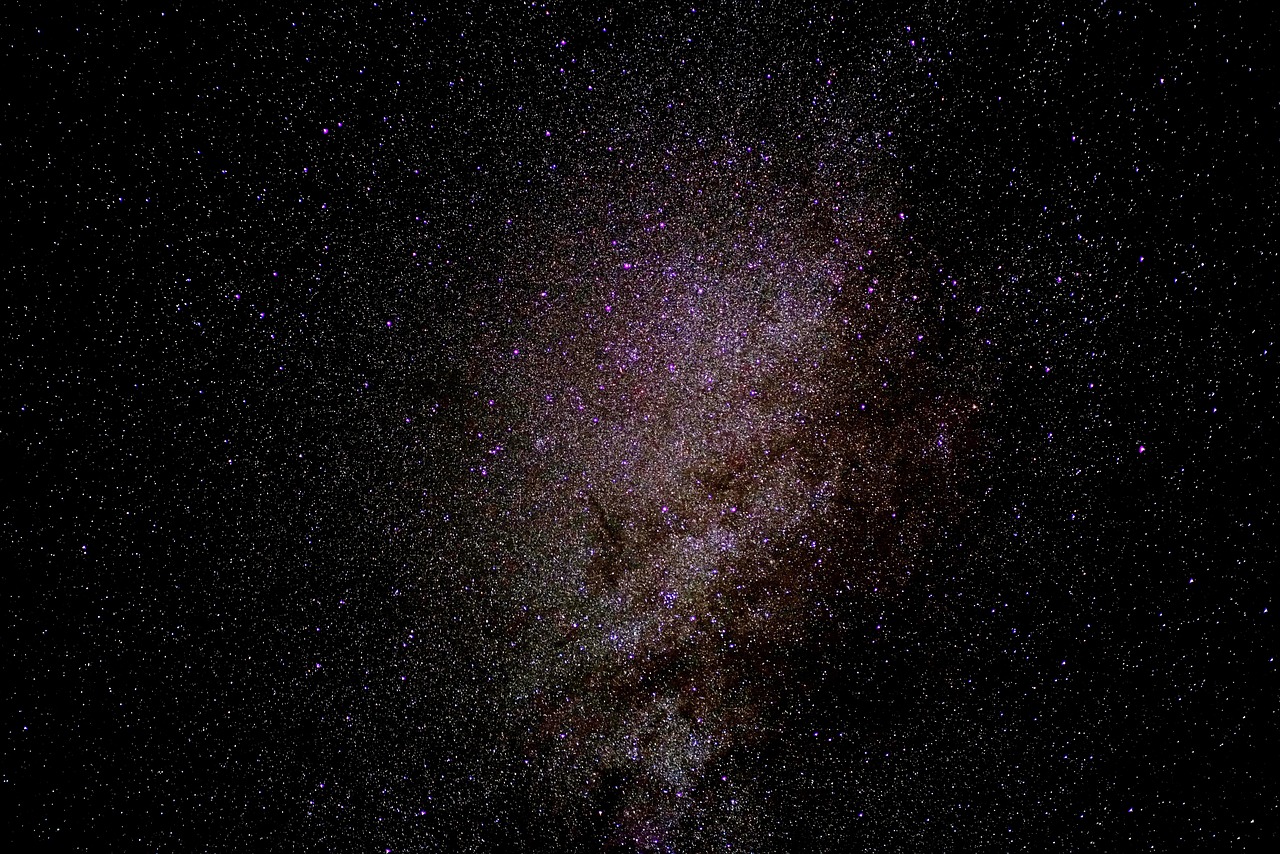
Living in a small apartment doesn’t mean you have to abandon your dreams of exploring the cosmos. With the right portable telescope and smart storage solutions, even the most space-conscious urban dwellers can enjoy spectacular views of the night sky.

The challenge of combining astronomy with apartment living has become increasingly common as more people move to urban environments. However, modern telescope technology has evolved to meet these needs, offering compact, lightweight designs that deliver impressive optical performance without demanding a dedicated observatory space or storage room.
🔭 Why Apartment Dwellers Need Different Telescope Solutions
Traditional telescopes were designed with spacious backyards and permanent observing locations in mind. These classic instruments often feature long optical tubes, heavy equatorial mounts, and accessories that require substantial storage space. For apartment residents, these conventional setups present numerous challenges that can make astronomy seem impractical or even impossible.
Storage constraints represent the most obvious hurdle. A standard 8-inch Dobsonian telescope can easily occupy several cubic feet of floor space, while equatorial mounts with counterweights add even more bulk. In a small apartment where every square foot matters, dedicating this much room to a hobby instrument feels extravagant and often impractical.
Transportation logistics also complicate matters for apartment astronomers. Without direct access to dark skies, you’ll likely need to travel to observation sites away from city lights. Carrying a bulky telescope through hallways, down elevators, and into vehicles becomes a logistical nightmare that can discourage regular use.
Essential Features of Space-Saving Telescopes
When selecting a telescope for apartment living, certain features become non-negotiable. Understanding these characteristics helps you make informed decisions that balance optical performance with practical living constraints.
Compact Optical Designs That Deliver
Refractor telescopes with short focal lengths offer excellent portability without sacrificing image quality. Modern apochromatic refractors in the 60-80mm range provide stunning views while measuring less than two feet in length when collapsed. These instruments excel at wide-field observations of star clusters, nebulae, and lunar features.
Maksutov-Cassegrain and Schmidt-Cassegrain telescopes fold their optical path using mirrors, creating long focal lengths in surprisingly compact tubes. A 5-inch Maksutov-Cassegrain might deliver the equivalent magnification of a three-foot refractor while measuring just 12 inches in length. This makes them ideal for planetary observation and lunar photography in confined spaces.
Lightweight Mount Systems
The mount supporting your telescope matters as much as the optical tube itself. Alt-azimuth mounts with simple up-down and left-right movements offer intuitive operation and compact storage. Modern tabletop mounts can provide stable viewing platforms while occupying minimal space during transport and storage.
Computerized GoTo mounts have shrunk dramatically in recent years. Current models can locate and track thousands of celestial objects automatically while weighing just a few pounds and folding down to briefcase size. This technology proves especially valuable for urban observers dealing with light pollution who need to quickly locate dimmer targets.
Top Portable Telescope Types for Limited Spaces 🌟
Different telescope designs offer unique advantages for apartment astronomers. Understanding these options helps you select the instrument that best matches your observing interests and storage capabilities.
Tabletop Dobsonians: Maximum Aperture, Minimum Footprint
Tabletop Dobsonian telescopes pack impressive light-gathering ability into desktop-friendly packages. Models with 4 to 6-inch apertures deliver bright, detailed views while standing less than two feet tall. The Dobsonian design eliminates complicated mounts in favor of a simple rotating base that provides smooth, intuitive movement.
These instruments excel for visual observation of the Moon, planets, and brighter deep-sky objects. Their wide apertures gather enough light to reveal Jupiter’s cloud bands, Saturn’s rings, and the ethereal glow of nebulae even from moderately light-polluted locations. When not in use, they tuck easily into closets or under beds.
Compact Refractors for Grab-and-Go Astronomy
Small apochromatic refractors represent the ultimate in portability and convenience. Instruments in the 60-80mm range with focal lengths between 300-500mm deliver sharp, color-corrected images while weighing just a few pounds complete with mount. Many models break down into components that fit standard backpacks.
These telescopes shine for wide-field viewing of star clusters, comets, and sweeping Milky Way regions. Their modest magnifications provide immersive views that make you feel like you’re floating through space. The quick setup time—often under two minutes—encourages spontaneous observing sessions whenever clear skies appear.
Catadioptric Telescopes: Professional Power in Portable Packages
Maksutov-Cassegrain and Schmidt-Cassegrain designs offer serious observing capability without demanding serious storage space. A 5-inch Maksutov delivers planetary views comparable to much larger refractors while measuring barely one foot long. The closed tube design protects optics from dust and requires no collimation adjustments.
These instruments particularly suit planetary observers and lunar photographers. The long focal lengths provide high magnifications ideal for studying fine details on Mars, Jupiter, and Saturn. The compact tubes also adapt easily to photography using smartphone adapters or dedicated cameras.
Strategic Storage Solutions for Urban Astronomers
Owning a telescope represents only half the apartment astronomy equation. Developing smart storage strategies ensures your equipment remains protected, accessible, and doesn’t overwhelm your living space.
Vertical Storage Maximizes Floor Space
Think vertically when planning telescope storage. Wall-mounted shelving units or tall, narrow cabinets keep equipment accessible while minimizing floor space consumption. Many telescopes stand securely in corners when paired with simple wooden cradles or foam-padded brackets.
Closet organization systems with adjustable shelves accommodate telescopes and accessories efficiently. Dedicate one closet section to astronomy gear, using clear storage bins for eyepieces, filters, and small accessories. Label everything clearly to facilitate quick setup when observing opportunities arise.
Multi-Purpose Furniture Integration
Consider furniture that serves dual purposes. Ottoman-style storage benches near windows can house your telescope while providing seating. Storage coffee tables with lift tops conceal equipment during the day while keeping it readily accessible for impromptu observing sessions.
Some apartment astronomers convert unused entryway coat closets into equipment hubs, installing custom shelving that perfectly fits their gear. This approach keeps telescopes near exit doors, simplifying transport for off-site observing trips.
Maximizing Your Apartment Observing Experience 🏙️
Living in an apartment doesn’t automatically doom you to poor viewing conditions. Strategic approaches can help you observe effectively despite urban challenges and space limitations.
Balcony Astronomy Setup Tips
Balconies offer apartment dwellers precious access to the sky without leaving home. Even small balconies accommodate tabletop telescopes on stable outdoor tables. Position your observing area away from building lights and shield your eyes from direct light sources using makeshift baffles or curtains.
Check balcony weight limits before installing permanent equipment. Most balconies easily support small telescopes and observers, but verify your building’s specifications. Secure loose items and use anti-vibration pads under your telescope to minimize shaking from wind or building movement.
Window Observing: When and How It Works
Window observing requires careful planning but can deliver satisfying results for lunar and planetary viewing. Open windows completely rather than observing through glass, which distorts images significantly. Allow your telescope to temperature-equilibrate for 20-30 minutes before observing to minimize internal air currents.
Focus on bright targets like the Moon and planets when observing from windows. These objects tolerate light pollution and atmospheric turbulence better than faint deep-sky targets. Avoid observing on nights with significant indoor-outdoor temperature differences, which create disruptive thermal currents.
Essential Apps for Apartment Astronomers
Modern smartphone applications transform how we interact with the night sky, offering particular advantages for space-constrained urban observers. These tools help you plan observing sessions, identify objects, and maximize limited sky access.
Sky Mapping and Object Location
Planetarium apps provide real-time sky maps showing exactly what’s visible from your location at any moment. Point your phone toward the sky and the app identifies stars, planets, and deep-sky objects instantly. This functionality proves invaluable when working with limited sky visibility from balconies or windows.
Many astronomy apps include augmented reality features that overlay constellation patterns and object information directly onto live camera views. This helps apartment observers quickly locate targets in the narrow sky windows available from urban locations, saving precious observing time.
Light Pollution and Weather Monitoring
Specialized apps predict sky transparency, seeing conditions, and cloud cover hours or days in advance. For apartment dwellers who need to plan observing trips to darker locations, these forecasts prove essential for choosing optimal travel dates. Some applications even provide light pollution maps showing nearby dark-sky locations accessible within reasonable driving distances.
Building Your Apartment-Friendly Accessory Kit ✨
Beyond the telescope itself, carefully selected accessories enhance your observing experience without cluttering limited storage space. Focus on versatile, compact items that deliver maximum value per cubic inch of storage.
Essential Eyepieces for Limited Collections
Rather than accumulating dozens of eyepieces, apartment astronomers benefit from strategic selections covering key magnification ranges. A three-eyepiece set with low (40-60x), medium (80-120x), and high (150-200x) magnifications handles most observing situations while occupying minimal space.
Zoom eyepieces offer exceptional versatility in single compact packages. Quality zoom eyepieces spanning 8-24mm focal lengths provide continuously variable magnification, effectively replacing multiple fixed eyepieces. This dramatically reduces the accessories you need to store and transport.
Compact Power Solutions
Computerized telescopes require power, but bulky battery packs consume precious storage space. Modern USB power banks designed for phones and tablets work perfectly for most portable telescopes. These compact units deliver sufficient power for entire observing sessions while fitting in pockets.
Red LED headlamps preserve night vision while providing hands-free illumination for equipment adjustments and star charts. Choose models with multiple brightness settings and look for versions that fold flat for storage. Rechargeable headlamps eliminate battery waste and long-term costs.
Transporting Your Telescope Safely and Efficiently
Apartment astronomers frequently transport equipment to darker observing sites. Developing efficient packing and transportation routines protects your investment while minimizing setup and breakdown time.
Padded Cases and Bags
Custom-fitted telescope cases provide maximum protection during transport but can be expensive. Affordable alternatives include padded camera bags, musical instrument cases, or ski bags adapted with foam inserts. The key is ensuring your optics can’t shift during transport and remain protected from impacts.
Backpack-style telescope cases distribute weight evenly and keep your hands free when navigating apartment hallways, stairs, and parking areas. Look for models with dedicated accessory pockets that organize eyepieces, cables, and small items efficiently.
Vehicle Storage Strategies
Plan how your equipment fits in your vehicle before heading to observing sites. Many compact telescopes ride safely in back seats with seatbelt securing, while tripods and mounts fit in trunks. Keep a checklist in your astronomy bag to ensure nothing gets forgotten during the excitement of catching clear skies.
Connecting With the Urban Astronomy Community 🌃
Apartment living can feel isolating for astronomers, but vibrant urban astronomy communities exist in most cities. Connecting with fellow observers provides support, knowledge sharing, and access to group observing opportunities that overcome individual space limitations.
Local astronomy clubs frequently organize star parties at dark-sky locations outside the city. These events let you experience a variety of telescopes, learn from experienced observers, and enjoy truly dark skies without making solo trips. Many clubs also host public observing sessions on apartment building rooftops or community parks.
Online astronomy forums and social media groups specific to urban observing offer valuable resources. Members share light pollution workarounds, compact equipment recommendations, and nearby observing location suggestions. These communities understand the unique challenges apartment astronomers face and provide practical solutions.
Making Peace With Limitations While Embracing Possibilities
Apartment astronomy requires accepting certain constraints while recognizing the unique advantages your situation provides. You may not have constant access to perfectly dark skies, but you also don’t need expensive permanent observatories or weather-exposed equipment.
Focus on objects that perform well under urban conditions. The Moon reveals incredible detail regardless of light pollution. Bright planets like Jupiter, Saturn, and Mars provide endless fascination through even modest telescopes. Double stars and star clusters punch through light-polluted skies beautifully.
Consider apartment astronomy as training for more ambitious future pursuits. The skills you develop working with compact equipment and challenging conditions create strong foundational knowledge. Many successful astrophotographers and visual observers credit their early urban observing experiences with teaching resourcefulness and deepening their appreciation for truly dark skies.

Your Journey Among the Stars Starts Today 🚀
Small living spaces present challenges, but they need not prevent you from exploring the universe. Modern portable telescopes deliver remarkable performance in apartment-friendly packages, while smart storage and observing strategies maximize limited resources. The cosmos doesn’t care about your square footage—only your curiosity and commitment matter.
Start with equipment that matches your space and budget, then gradually expand your capabilities as your interest and experience grow. Join local astronomy groups, experiment with different observing techniques, and don’t hesitate to adapt conventional astronomy wisdom to your unique situation. Every clear night offers opportunities for discovery, wonder, and connection with something vastly larger than ourselves.
The universe awaits outside your window or balcony, ready to reveal its secrets through even the most compact telescope. Your apartment may be small, but your astronomical horizons remain unlimited. Take that first step, point your telescope skyward, and begin your personal journey through the cosmos tonight.