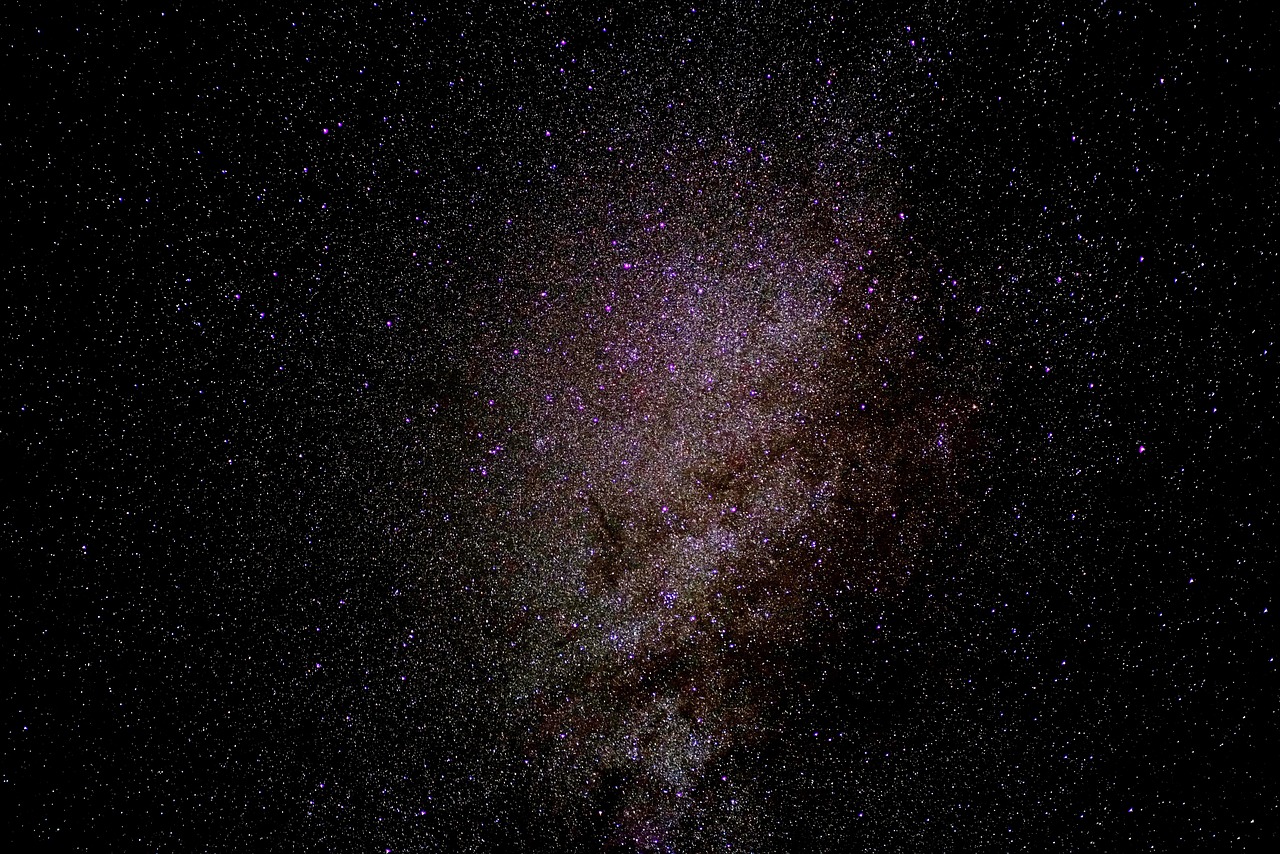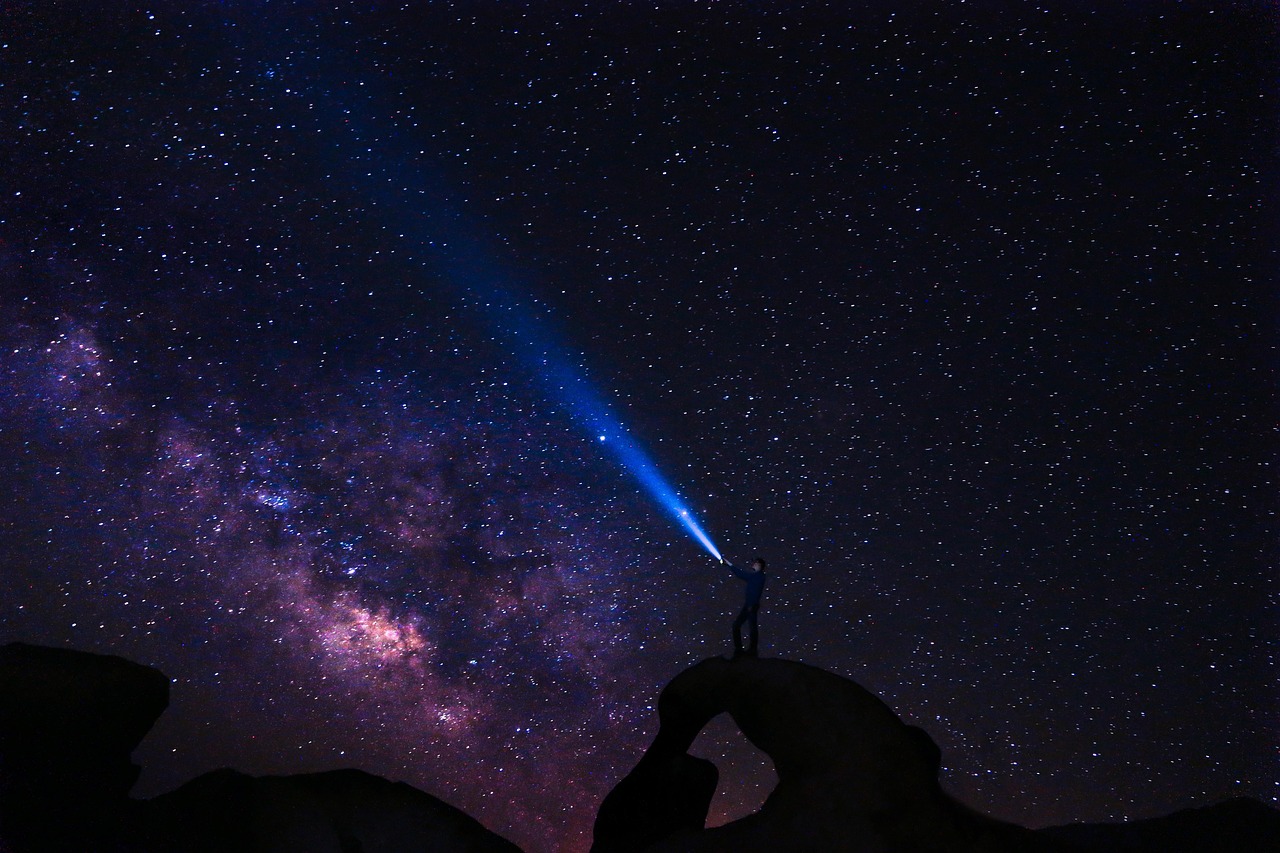
Gazing up at the night sky can be one of life’s most profound experiences, and choosing the right binocular magnification can transform your stargazing from ordinary to extraordinary.

Whether you’re a beginner eager to explore celestial wonders or an experienced observer looking to upgrade your equipment, understanding binocular magnification is essential for unlocking the full potential of your astronomy adventures. The right choice can mean the difference between blurry disappointment and crystal-clear views of distant galaxies, nebulae, and star clusters.
🔭 Understanding Binocular Magnification Basics
Before diving into specific recommendations, it’s crucial to understand what those numbers on your binoculars actually mean. When you see specifications like “10×50” or “7×42,” the first number represents magnification power, while the second indicates the objective lens diameter in millimeters.
The magnification number tells you how many times larger an object will appear compared to viewing it with your naked eye. For example, 10x magnification makes the moon appear ten times closer than it actually is. However, higher magnification isn’t always better for astronomy, and this is where many beginners make their first mistake.
The objective lens diameter determines how much light the binoculars can gather. In astronomy, light-gathering ability is paramount because celestial objects are often faint and distant. A larger objective lens captures more light, revealing dimmer stars and deep-sky objects that would otherwise remain invisible.
Why Higher Magnification Isn’t Always the Answer
Many newcomers to astronomy naturally assume that more magnification equals better views. This misconception can lead to frustrating experiences and wasted money on inappropriate equipment. The reality is far more nuanced and interesting.
Higher magnification binoculars amplify not only the celestial object but also every tiny hand movement. Beyond 10x magnification, most people find it nearly impossible to hold binoculars steady enough for comfortable viewing without a tripod. The resulting image shake can turn what should be a serene stargazing session into an exercise in frustration.
Additionally, higher magnification reduces your field of view dramatically. This means you’ll see a smaller portion of the sky, making it harder to locate objects and appreciate large celestial features like the Milky Way or expansive star clusters. For astronomy, a wider field of view often provides more rewarding experiences than extreme close-ups.
⭐ The Sweet Spot: 7x to 10x Magnification
For most astronomy applications, binoculars with magnifications between 7x and 10x represent the ideal balance of power, stability, and field of view. These magnifications offer significant enhancement over naked-eye viewing while remaining manageable without support equipment.
Seven-power binoculars provide exceptional stability and a wide field of view, perfect for scanning the Milky Way, observing large nebulae, and tracking satellites or the International Space Station. They’re particularly excellent for beginners who are still learning to navigate the night sky and locate celestial objects.
Ten-power binoculars push the boundaries of handheld stability but reward users with more detailed views of the moon’s craters, Jupiter’s moons, and tighter star clusters. They represent the maximum practical magnification for unsupported handheld viewing during extended observation sessions.
The 10×50 Configuration: The Astronomy Standard
The 10×50 binocular configuration has earned its reputation as the gold standard for amateur astronomy. This combination provides excellent magnification while maintaining a generous 5mm exit pupil, which matches perfectly with the human eye’s fully dilated pupil in darkness.
These binoculars offer sufficient power to reveal details invisible to the naked eye while gathering enough light to show fainter celestial objects. The 50mm objective lenses strike an optimal balance between portability and light-gathering capability, making them versatile enough for both astronomy and terrestrial viewing.
Understanding Exit Pupil and Why It Matters 🌙
The exit pupil is a critical specification that many beginners overlook, yet it significantly impacts your viewing experience. Calculate it by dividing the objective lens diameter by the magnification. For 10×50 binoculars, the exit pupil equals 5mm (50 ÷ 10 = 5).
Your eye’s pupil dilates to approximately 7mm in complete darkness when you’re young, decreasing to about 5mm as you age. If the binoculars’ exit pupil is larger than your eye’s pupil, you’re not utilizing all the light the binoculars gather. Conversely, if it’s smaller, the image appears dimmer than optimal.
For astronomy, an exit pupil between 5mm and 7mm is ideal for most observers. This ensures you’re maximizing the available light while maintaining comfortable viewing. Binoculars with smaller exit pupils may seem unnecessarily dim when viewing faint deep-sky objects.
Specialized Magnifications for Specific Astronomy Goals
While 7x to 10x covers most astronomy needs, certain observing goals benefit from different magnification ranges. Understanding these specialized applications helps you make informed decisions about additional equipment or future upgrades.
15x to 20x: Mounted Viewing for Detailed Observations
Binoculars in the 15x to 20x range require tripod mounting but reveal significantly more detail on the moon, planets, and deep-sky objects. These higher magnifications work beautifully for dedicated observing sessions from a fixed location, such as your backyard or a dark-sky site.
At these magnifications, lunar craters become intricate landscapes, Jupiter’s cloud bands show subtle structure, and globular clusters resolve into countless individual stars. However, the narrower field of view demands more patience when locating objects and makes these binoculars less suitable for casual, wide-field scanning.
Giant Binoculars: 25x and Beyond
Giant astronomy binoculars with magnifications of 25x or higher represent specialized instruments that bridge the gap between standard binoculars and telescopes. These powerful instruments absolutely require sturdy mounting systems and often feature larger objective lenses of 70mm to 150mm.
While these binoculars provide stunning views and the advantage of binocular vision for depth perception and comfort, they’re considerably less portable and more expensive. They’re best suited for dedicated astronomers with permanent observing locations rather than beginners or casual observers.
📊 Comparing Popular Astronomy Binocular Specifications
| Configuration | Exit Pupil | Best For | Stability |
|---|---|---|---|
| 7×50 | 7.1mm | Wide-field scanning, Milky Way | Excellent |
| 8×42 | 5.3mm | All-purpose, portable astronomy | Very Good |
| 10×50 | 5mm | General astronomy, moon details | Good |
| 15×70 | 4.7mm | Deep-sky objects, mounted viewing | Requires Tripod |
| 20×80 | 4mm | Planetary detail, serious astronomy | Requires Tripod |
The Role of Optical Quality in Magnification Choice
Magnification specifications mean little if the optical quality cannot support them. Poor-quality optics become increasingly problematic at higher magnifications, revealing aberrations, color fringing, and lack of sharpness that diminish the viewing experience.
Premium binoculars with fully multi-coated optics, high-quality glass, and precise manufacturing can deliver stunning views even at higher magnifications. Budget models might specify impressive numbers but fail to deliver satisfying performance due to optical compromises.
When selecting binoculars, consider that a well-made 8×42 model will typically outperform a poorly constructed 10×50 despite the lower magnification. Optical quality should always take priority over raw specifications when your budget allows.
🌌 Practical Considerations for Your Astronomy Binoculars
Beyond magnification numbers, several practical factors influence your real-world stargazing experience. Weight becomes crucial during extended viewing sessions, as even moderately heavy binoculars cause arm fatigue that ruins the experience.
Binoculars weighing under 800 grams offer comfortable handheld viewing for most people during sessions lasting an hour or more. Models exceeding 1200 grams typically require frequent breaks or mounting solutions, even at moderate magnifications like 10x.
Field of View: Your Window to the Cosmos
Field of view, typically expressed in degrees or feet at 1000 yards, determines how much sky you see at once. Wider fields make locating objects easier and provide more spectacular views of large celestial features like the Andromeda Galaxy or the Pleiades star cluster.
At 7x magnification, you might enjoy a field of view spanning 7 to 8 degrees, allowing you to see multiple constellations simultaneously. At 15x, this narrows to perhaps 4 degrees, showing more detail but less context. For astronomy beginners, wider fields prove far more forgiving and enjoyable.
Building Your Astronomy Binocular Collection
Many experienced amateur astronomers eventually own multiple binoculars optimized for different purposes. This approach provides maximum flexibility for various observing conditions and celestial targets.
A practical progression might start with versatile 10×50 binoculars for general astronomy, add 7x50s for wide-field scanning and comet hunting, and potentially include mounted 15x70s for detailed deep-sky observation. Each fills a distinct niche in your astronomical toolkit.
Special Features Worth Considering ✨
Modern astronomy binoculars often include features that enhance the viewing experience beyond basic magnification. Image-stabilization technology, available in some premium models, allows comfortable handheld viewing at magnifications up to 18x by electronically compensating for hand shake.
Waterproof and nitrogen-purged construction prevents internal fogging during temperature changes common during nighttime observing. This durability ensures your investment remains functional through years of outdoor use in varying conditions.
Individual eyepiece focusing, common in marine and astronomy binoculars, maintains focus more reliably than center-focus designs during temperature fluctuations. Once properly adjusted, your focus remains locked throughout the observing session.
Avoiding Common Magnification Mistakes
Many beginners purchase binoculars with inappropriate magnifications based on misconceptions or misleading marketing. Understanding these common pitfalls helps you avoid disappointment and wasted investment.
- Choosing magnifications above 10x without considering stabilization needs
- Selecting compact binoculars with small objectives that gather insufficient light for astronomy
- Prioritizing zoom features that typically compromise optical quality
- Overlooking exit pupil calculations when comparing models
- Failing to account for the narrowed field of view at higher magnifications
- Purchasing based solely on magnification numbers without considering optical quality
🎯 Making Your Final Decision
Selecting the perfect binocular magnification for astronomy ultimately depends on your specific interests, physical capabilities, and observing circumstances. Honest self-assessment of your priorities leads to more satisfying equipment choices.
If portability matters most and you want binoculars for hiking to dark-sky locations, 8×42 models offer excellent performance in a compact package. For backyard observing where weight matters less, 10×50 or even 15×70 binoculars provide more impressive views.
Budget considerations also influence the decision. Investing in quality 7×50 or 8×42 binoculars often provides better real-world performance than stretching your budget for poor-quality 15×70 models. Start with proven configurations and upgrade as your experience and understanding grow.
Testing Before Buying: Essential Advice
Whenever possible, test binoculars before purchasing, especially for higher-end models. Astronomy clubs often host star parties where members share equipment, providing valuable hands-on experience with different magnifications and configurations.
During testing, observe how long you can comfortably hold the binoculars steady, how easily you locate objects, and how the image quality appears across the field of view. These real-world factors matter far more than specifications on paper.
Many reputable retailers offer generous return policies, allowing home testing. Take advantage of these policies to observe actual celestial objects rather than relying solely on daytime terrestrial viewing.
Maximizing Your Investment Through Proper Use 🌠
Once you’ve selected the perfect magnification for your needs, proper technique maximizes your binoculars’ performance. Learning to brace against solid objects, use proper breathing techniques, and position yourself comfortably dramatically improves image stability, especially with 10x magnification.
Consider investing in a quality binocular tripod adapter and sturdy tripod for those occasions when you want extended views of specific objects. This relatively inexpensive accessory transforms your handheld binoculars into a stable observing platform approaching telescope-like steadiness.
Allow your eyes adequate time to dark-adapt before observing sessions, typically 20 to 30 minutes in complete darkness. This adaptation dramatically improves your ability to see faint objects regardless of your binoculars’ specifications.

Your Journey Among the Stars Begins Now
Armed with comprehensive knowledge about binocular magnification for astronomy, you’re prepared to make an informed decision that will serve your stargazing adventures for years. Remember that the best binoculars are the ones you’ll actually use regularly, making comfort and practicality as important as raw specifications.
The universe offers endless wonders waiting for discovery, from the dancing moons of Jupiter to distant galaxies containing billions of stars. With properly selected binoculars matched to your needs and interests, you’ll unlock celestial views that inspire wonder and deepen your connection to the cosmos above.
Whether you choose versatile 10x50s, stable 7x50s, or specialized high-magnification models, your astronomy binoculars represent a gateway to adventures among the stars. Clear skies and happy observing await as you embark on this rewarding journey of cosmic exploration! 🌟