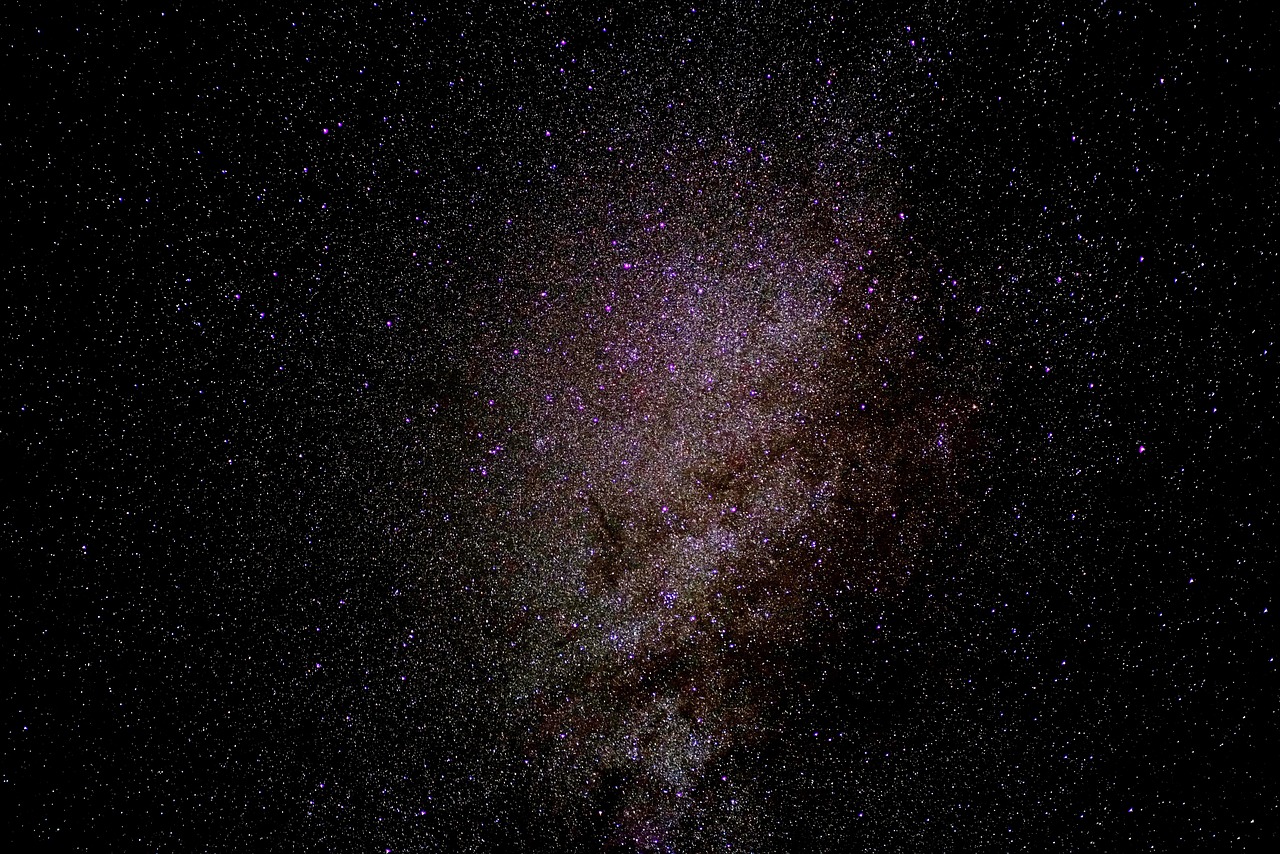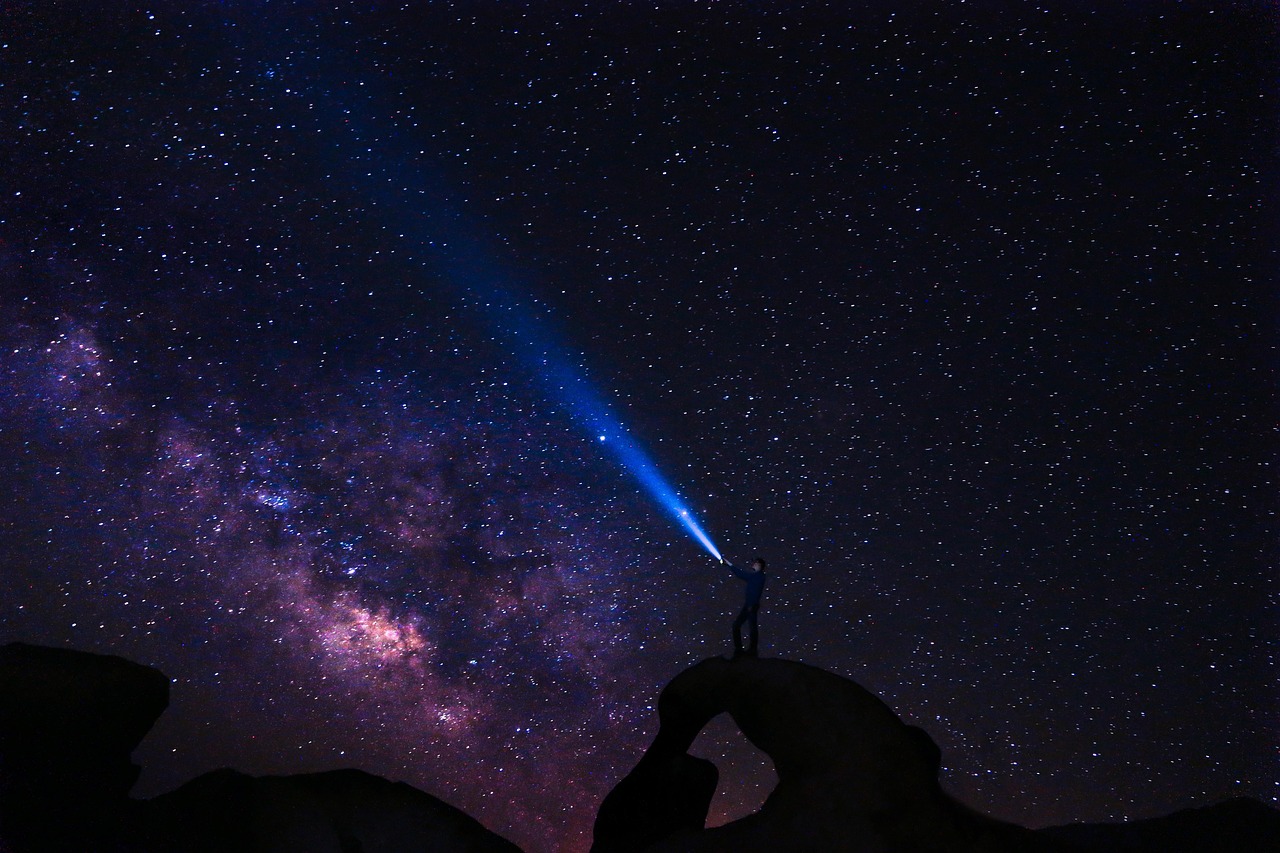
Even amid the glow of city lights, the cosmos reveals its most brilliant treasures to those who know where to look. Urban stargazing opens doorways to celestial wonders that persist despite light pollution, with star clusters offering some of the most spectacular sights visible from metropolitan areas.

The notion that astronomy belongs exclusively to remote, dark-sky locations is a myth that prevents millions of city dwellers from experiencing the universe above them. Bright star clusters—those dense gatherings of stars bound together by gravity—shine with enough collective brilliance to pierce through urban skies, creating accessible windows into deep space for apartment balconies and city parks alike.
✨ Why Star Clusters Shine Through Urban Light Pollution
Star clusters possess a unique advantage for urban observers: concentrated luminosity. Unlike faint nebulae or distant galaxies that vanish under city lights, clusters contain dozens to thousands of stars packed into relatively small celestial regions. This concentration creates enough combined brightness to remain visible even when individual faint stars disappear into the orange glow of streetlights.
Open clusters, sometimes called galactic clusters, typically contain younger, hotter stars that burn with intense blue-white light. These stellar associations haven’t yet dispersed across the galaxy, maintaining their group cohesion for millions of years. Their youth translates to brightness—exactly what urban stargazers need.
Globular clusters, though more distant, compensate with sheer numbers. These ancient spherical collections can contain hundreds of thousands of stars in volumes just dozens of light-years across. From our earthly perspective, this creates compact, bright objects that withstand significant light pollution.
🌃 The Best Urban-Visible Star Clusters
The Pleiades: Your Gateway Cluster
No star cluster announces itself more boldly to city observers than the Pleiades, also known as the Seven Sisters or M45. Visible to the naked eye from even severely light-polluted locations, this open cluster in Taurus resembles a miniature dipper—often mistaken for the Little Dipper by newcomers.
The Pleiades contains over 1,000 stars, though only six to nine appear visible without optical aid depending on conditions and eyesight. Located approximately 440 light-years away, this cluster’s members are young—just 100 million years old—and still partially shrouded in the reflection nebulosity of their birth cloud, though this faint blue nebulosity requires dark skies to observe.
From urban locations, the Pleiades appears as a tight grouping of blue-white jewels, best observed from November through March in the Northern Hemisphere. No telescope is necessary, though even basic binoculars reveal dozens of additional cluster members and transform this familiar sight into something extraordinary.
The Hyades: Taurus’s Other Treasure
Closer to Earth at just 153 light-years, the Hyades forms the V-shaped face of Taurus the Bull. This open cluster is so nearby and spread across the sky that individual members are easily visible as separate stars from cities. The bright orange star Aldebaran appears to be part of the cluster but is actually a foreground star less than half the distance away.
The Hyades’ proximity and brightness make it ideal for urban observers using binoculars. The cluster contains approximately 400 members spanning about 60 light-years of space, appearing to us as a loose association of moderately bright stars. At roughly 625 million years old, these stars have evolved beyond the intense blue youth of the Pleiades into more sedate yellow and orange middle age.
The Beehive Cluster: Cancer’s Hidden Gem
Messier 44, known as the Beehive Cluster or Praesepe, challenges urban observers while remaining achievable under moderately light-polluted skies. Located in the faint constellation Cancer between Gemini and Leo, this open cluster appears as a hazy patch to the naked eye from suburban locations and resolves into dozens of stars through binoculars even from cities.
The Beehive sits approximately 580 light-years distant and contains over 1,000 stars, with about 50 bright enough to see through urban binoculars. Ancient observers knew this cluster well—Galileo was among the first to resolve it into individual stars with his early telescope in 1609.
🔭 Essential Equipment for Urban Cluster Viewing
Urban stargazing doesn’t demand expensive equipment, but strategic choices maximize success against light pollution. The right tools transform frustrating searches into rewarding discoveries.
Binoculars: The Urban Astronomer’s Best Friend
For city-based cluster observation, quality binoculars outperform entry-level telescopes. A pair of 7×50 or 10×50 binoculars provides ideal magnification and light-gathering for cluster viewing, with wider fields of view that make locating objects easier and maintain the visual context of star patterns.
The portability advantage cannot be overstated. Binoculars travel easily to local parks, deploy instantly without setup, and store conveniently in small apartments. Their two-eyed viewing proves more comfortable for extended observation sessions than single-eye telescope use.
Light Pollution Filters and Their Limitations
While light pollution filters help with nebulae observation by blocking specific wavelengths from streetlights, their benefit for star cluster viewing is minimal. Clusters emit across the full spectrum, so filters that block certain wavelengths also dim your targets. For cluster observation specifically, skip the filters and maximize light-gathering aperture instead.
Smartphone Apps for Navigation
Modern astronomy apps transform smartphones into planetarium guides, proving invaluable for urban observers where fewer reference stars are visible for traditional star-hopping. These applications use your phone’s GPS and sensors to overlay constellation patterns and object locations onto the actual sky.
Apps like SkySafari, Stellarium Mobile, and Star Chart provide real-time sky maps, alert you when clusters reach optimal viewing positions, and offer detailed information about each object. The augmented reality features let you point your phone skyward and immediately identify what you’re observing—a game-changer when learning the urban sky.
🌆 Timing and Location Strategies for City Observers
Finding Your Urban Observing Window
Success in urban stargazing hinges on timing. The hours immediately after sunset and before sunrise offer marginally darker skies as commercial lighting reduces. Weekend nights often feature less traffic and activity, slightly improving conditions. Seasonal considerations matter too—winter’s longer nights provide extended viewing opportunities, while summer’s Milky Way orientation brings different clusters into view.
Moon phases dramatically impact urban observation. The full moon effectively adds another source of light pollution, washing out fainter cluster members. Plan cluster observation sessions during new moon periods or times when the moon sets early, maximizing the contrast between clusters and background sky.
Elevation and Urban Geography
Within cities, not all locations equal each other. Rooftops, elevated parks, and hills provide altitude advantages that lift you above immediate street-level lighting. Bodies of water often feature reduced lighting along shorelines, creating relative dark zones within urban areas.
Face away from the city center when possible. Even a modest building or tree line between you and downtown lights significantly improves viewing conditions. The direction matters more than distance—observing from a city’s edge while facing outward beats a central location facing any direction.
🌠 Seasonal Star Cluster Highlights for Urban Skies
Winter’s Stellar Bounty
Winter delivers the richest cluster viewing for urban astronomers in the Northern Hemisphere. The Pleiades reaches high overhead positions during evening hours from December through February, while the Hyades accompanies it nearby. The Double Cluster in Perseus (NGC 869 and NGC 884) becomes visible from darker suburban zones and appears spectacular through binoculars—two rich open clusters positioned side by side.
Messier 35 in Gemini, Messier 37 in Auriga, and the open cluster NGC 2244 embedded in the Rosette Nebula all become accessible targets. Winter’s crisp, dry air often provides superior atmospheric transparency compared to humid summer nights, further enhancing visibility despite shorter daylight hours.
Spring and Summer Clusters
As spring arrives, the Beehive Cluster in Cancer reaches convenient evening viewing positions. The globular cluster Messier 3, while challenging from severely light-polluted locations, becomes visible through binoculars from moderately affected areas as a fuzzy, unresolved glow.
Summer brings the constellation Sagittarius toward the southern horizon for Northern Hemisphere observers, carrying with it a treasure trove of globular clusters. Messier 13 in Hercules, the famous Hercules Cluster, represents the finest globular visible from northern latitudes. Even from cities, this cluster appears as a distinct fuzzy patch through binoculars, resolving into a granular sparkle that hints at its 300,000-star population.
📊 Comparing Star Cluster Types for Urban Viewing
| Cluster Type | Urban Visibility | Best Equipment | Key Examples |
|---|---|---|---|
| Bright Open Clusters | Excellent | Naked eye, binoculars | Pleiades, Hyades |
| Moderate Open Clusters | Good with binoculars | Binoculars, small telescope | Beehive, M35, M37 |
| Bright Globular Clusters | Moderate (appear fuzzy) | Binoculars minimum | M13, M5, M4 |
| Faint Open Clusters | Challenging to impossible | Telescope required | NGC 7789, M67 |
🎯 Observing Techniques to Maximize Urban Success
Averted Vision and Dark Adaptation
Your eyes contain two types of photoreceptors: cones for color vision in bright conditions and rods for low-light sensitivity. Rods concentrate away from the center of your retina, making averted vision—looking slightly to the side of your target—more effective for faint objects. This technique proves particularly valuable for globular clusters viewed from cities.
Allow 20-30 minutes for dark adaptation before expecting optimal results. Your pupils fully dilate within minutes, but the chemical rhodopsin that enables rod sensitivity requires longer to accumulate. Protect this adaptation by using red flashlights exclusively; even brief white light exposure resets the adaptation process.
Breathing and Binocular Stability
Hand-held binocular viewing reveals surprising detail when done correctly. Brace your elbows against your body or a stable surface. Regulate your breathing, observing during the natural pause between exhale and inhale when your body remains stillest. For extended viewing, reclining lawn chairs that support your head while facing upward dramatically improve comfort and stability.
🌟 Understanding What You’re Actually Seeing
Star clusters represent different chapters in stellar evolution. Open clusters like the Pleiades showcase stellar nurseries recently emptied, with hot young stars still burning their hydrogen fuel at prodigious rates. These associations remain gravitationally bound but loosely, gradually dispersing over hundreds of millions of years as galactic tidal forces pull members apart.
Globular clusters tell different stories. These ancient structures formed during the galaxy’s youth, 10-13 billion years ago. Their spherical distributions and high stellar densities result from billions of years of gravitational interactions. The stars within have long since exhausted their hydrogen fuel, evolving into red giants, white dwarfs, and exotic objects. Their yellowish-orange combined light reflects this elderly population.
When you observe M13 from your city balcony, you’re witnessing light that departed those stars when Neanderthals walked Earth—the cluster lies approximately 25,000 light-years distant. The Pleiades’ light left its source during the early 20th century. Each observation connects you temporally and spatially across the cosmos in ways worth contemplating.
📱 Building Your Urban Observing Skills
Starting Your Cluster Observing Project
Begin with the naked-eye clusters: the Pleiades and Hyades. Learn their positions relative to bright stars and major constellations. Graduate to binocular targets like the Beehive, noting how much additional detail optical aid reveals. Document your observations through sketching or note-taking, recording date, time, conditions, and what you observed.
Set progressive goals. Challenge yourself to spot each Messier cluster visible from your location. The Messier catalog contains numerous clusters specifically because Charles Messier observed from light-polluted Paris in the 1700s—if he could catalog these objects through primitive telescopes amid candlelit streets, modern urban observers with quality binoculars have every advantage.
Connecting With Urban Astronomy Communities
Local astronomy clubs increasingly recognize urban observers’ needs, hosting city-accessible events and maintaining resources for light-polluted observation. Online communities share real-time reports about current viewing conditions, successful urban sightings, and technique refinements specific to metropolitan areas.
Group observation sessions in city parks normalize astronomy as an urban activity while pooling equipment resources. Experienced observers generously share knowledge, accelerating newcomers’ learning curves. These connections transform solitary sky-watching into shared exploration, enriching the experience beyond the visual observations themselves.
🚀 Beyond Clusters: The Gateway Effect
Star clusters serve as gateway objects for urban astronomers. Once you’ve successfully located and observed several clusters, you’ve developed the skills for finding other objects. The moon’s craters become accessible targets. Bright planets reveal themselves as disks rather than points. Double stars separated by binoculars showcase color contrasts. Meteor showers gain new meaning when you understand the sky’s geography.
Some urban observers eventually pursue dark-sky travel, seeking remote locations for deep-sky observation. The skills and passion developed through city stargazing prepare you for these adventures. Others remain dedicated urban observers, finding satisfaction in extracting maximum astronomical experience from challenging conditions. Both paths offer rewards.
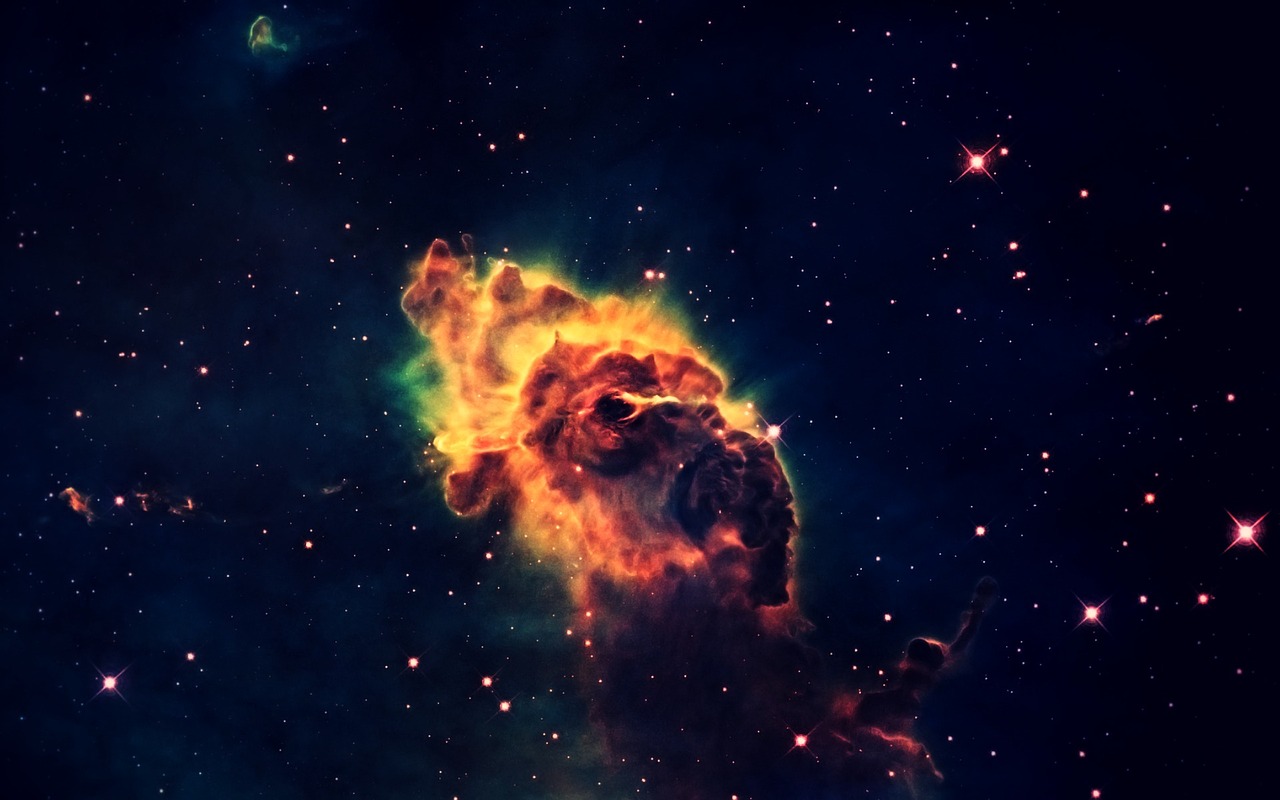
💫 The Philosophy of Urban Stargazing
Perhaps the greatest value of urban stargazing lies not in what you see but in what the practice represents—a refusal to accept disconnection from the cosmos as an inevitable consequence of modern life. When you crane your neck skyward from a city sidewalk, you reclaim ancestral heritage that predates civilization itself: wondering about the lights above and our place among them.
Cities need not be astronomical dead zones. The same star clusters that guided ancient navigators, inspired myths across cultures, and challenged early astronomers remain visible to those who look up. Light pollution dims but doesn’t eliminate these wonders. Your curiosity, patience, and willingness to learn overcome the obstacles that discourage others.
Every cluster observation from urban locations represents a small act of defiance against the assumption that nature and technology must remain separate. The universe extends everywhere, penetrating even the most artificial environments humanity creates. Star clusters shining through city skies prove that cosmic connection remains available to anyone, anywhere, who chooses to seek it.