Stargazing in the city isn’t impossible—it just requires knowing where to look and when. Urban meteor shower viewing can be surprisingly rewarding with the right approach and location selection.

Living in a bustling metropolis doesn’t mean you have to miss out on nature’s most spectacular celestial displays. While light pollution certainly poses challenges for amateur astronomers, meteor showers are bright enough to penetrate urban skies, especially during peak activity. The key lies in finding those hidden pockets within your city where darkness prevails just enough to catch those shooting stars streaking across the night sky.
🌟 Understanding Urban Light Pollution and Meteor Visibility
Before venturing out to catch a meteor shower from your city, it’s essential to understand what you’re working against. Light pollution creates a luminous dome over urban areas, washing out fainter celestial objects. However, meteors—particularly during major showers—produce bright enough trails to remain visible even through moderate light pollution.
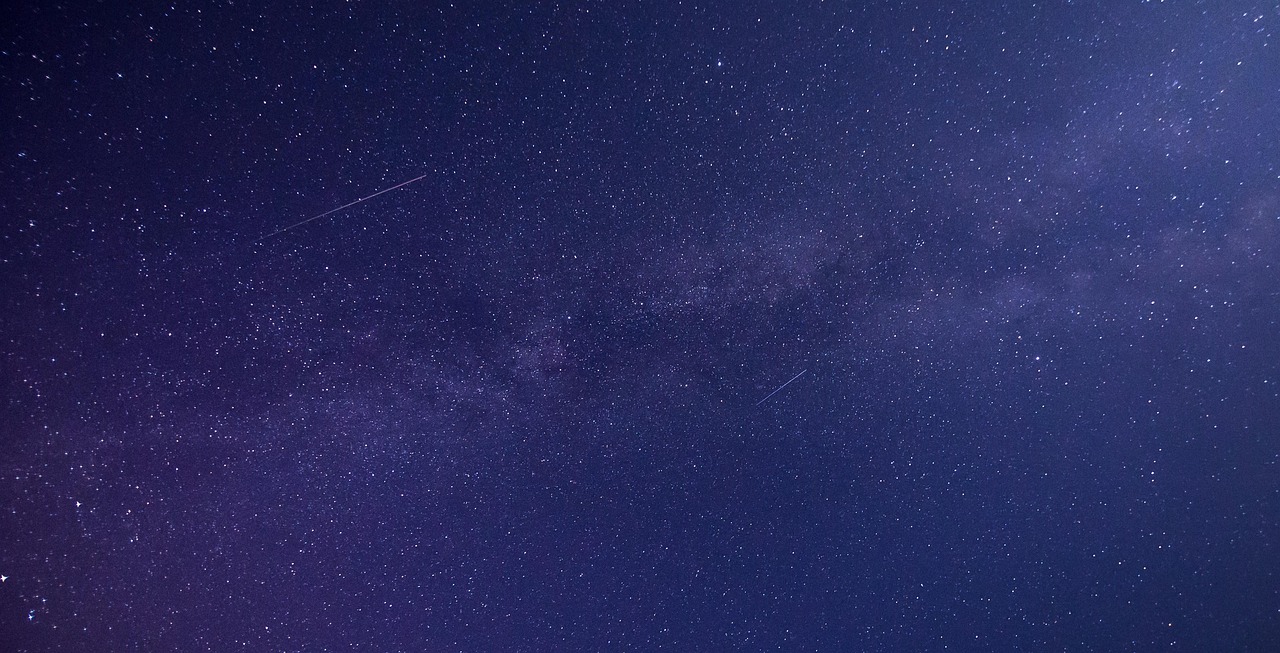
The brightest meteors, called fireballs, can easily be seen from city centers. During peak nights of major showers like the Perseids or Geminids, you can expect to see anywhere from 10 to 40 meteors per hour even from well-lit urban locations. This number drops significantly compared to the 60-120 meteors visible from dark sky sites, but the experience remains genuinely magical.
Your eyes need approximately 20-30 minutes to fully adapt to darkness. In urban settings, this adaptation is crucial for maximizing what you can see. Avoid looking at your phone screen or any bright lights during your observation session, as this resets your night vision immediately.
Prime Urban Locations for Meteor Watching
City Parks with Minimal Artificial Lighting
Large metropolitan parks offer some of the best urban stargazing opportunities. Look for parks that close vehicle access after sunset, have large open fields, and minimal security lighting. Central Park in New York, Griffith Park in Los Angeles, and Hyde Park in London all provide adequate viewing opportunities during major meteor showers.
When scouting parks, focus on areas away from walking paths, parking lots, and recreational facilities. The center of large athletic fields or meadows typically provides the darkest conditions available within city limits.
Rooftop Vantage Points ✨
Building rooftops offer unique advantages for urban meteor watching. By getting above street-level lighting, you reduce direct light interference significantly. Many residential buildings have rooftop access, and some cities feature rooftop bars or observation decks that remain open during evening hours.
The elevated perspective also increases your visible sky area. Just ensure you’re not directly beneath bright building lights or illuminated signs. Position yourself on the darker side of the rooftop structure, using the building itself as a light shield.
Waterfront and Pier Locations
Rivers, lakes, and ocean fronts within cities often provide darker viewing conditions because there’s less development on one side of your viewing area. Waterfront parks, piers, and promenades can be excellent meteor watching spots, particularly if they face away from the city’s brightest areas.
The open water reflects less light back into the sky compared to concrete and asphalt, creating slightly darker conditions. Additionally, the psychological effect of being near water enhances the overall stargazing experience.
Timing Your Urban Meteor Shower Viewing
Timing is everything when planning an urban meteor watching session. Beyond knowing when specific meteor showers peak, you need to consider moon phases, weather patterns, and even urban activity cycles.
Annual Meteor Shower Calendar for City Observers
Some meteor showers perform better than others in urban environments. Here are the top showers worth watching from city locations:
- Quadrantids (early January): Brief but intense peak with bright meteors that cut through light pollution effectively
- Lyrids (late April): Moderate shower with occasional fireballs perfect for spring urban viewing
- Perseids (mid-August): The most popular and reliable shower, producing numerous bright meteors visible from cities
- Orionids (late October): Fast meteors that leave persistent trains, making them easier to spot in urban skies
- Geminids (mid-December): Arguably the best urban meteor shower, with bright, slow-moving meteors and high rates
- Ursids (late December): Lesser-known but occasionally produces surprises worth catching
Moon Phase Considerations
The moon acts as natural light pollution, and its phase dramatically impacts meteor visibility. A full moon can reduce visible meteors by 75% or more, even in dark locations. For urban observers, this impact is even more pronounced.
Plan your viewing sessions around new moon periods or times when the moon sets early in the evening. Most meteor showers remain active for several days around their peak, giving you flexibility to choose the darkest night available within that window.
Essential Equipment for City Stargazers 🔭
Unlike deep-sky observation, meteor watching requires minimal equipment. In fact, telescopes and binoculars are counterproductive since meteors appear across wide swaths of sky. However, a few items can significantly enhance your urban meteor watching experience.
Comfort Items That Make or Break Your Session
Meteor watching requires patience and comfort. A reclining lawn chair or camping mat allows you to look upward without neck strain. Bring blankets or sleeping bags, as temperatures drop significantly after sunset, even in summer. Urban environments can create unexpected microclimates with surprising temperature variations.
A red-filtered flashlight preserves your night vision when you need to check equipment or navigate. Regular flashlights destroy your dark adaptation instantly. You can create a DIY red flashlight by covering a regular flashlight with red cellophane or tape.
Technology That Actually Helps
Several smartphone applications can enhance your meteor watching experience without overwhelming you with complexity. Star chart apps help you identify which part of the sky to watch, as meteors radiate from specific constellation points called radiants.
Weather apps with cloud cover predictions are equally essential. Clear skies are non-negotiable for meteor watching, and urban microclimates can differ significantly from regional forecasts. Check conditions for your specific location rather than relying on city-wide predictions.
Maximizing Your Urban Meteor Count
Optimal Viewing Direction and Body Position
While meteors can appear anywhere in the sky, knowing the radiant point helps you position yourself optimally. However, don’t stare directly at the radiant—meteors appearing there seem shorter and less impressive. Instead, look 30-50 degrees away from the radiant for the longest, most spectacular trails.
Lie flat on your back with your feet pointing toward the brightest part of the city. This positions the darker portion of sky directly in your field of view. Your peripheral vision actually detects meteor movement better than focused vision, so let your eyes relax and scan the entire visible sky.
The Power of Patience and Dark Adaptation
Many aspiring meteor watchers give up too quickly. The first 30 minutes of any session typically yields few sightings as your eyes adjust and you learn to recognize meteor streaks versus aircraft lights and satellites. Urban stargazers especially need patience, as the contrast between meteors and the glowing sky background is less dramatic than in dark locations.
Commit to at least 60-90 minutes of observation during peak nights. Meteor activity fluctuates unpredictably, with occasional bursts of activity separated by quiet periods. Some of the most spectacular displays happen when you’re on the verge of packing up.
Dealing with Urban Challenges 🏙️
Managing Direct Light Sources
Street lights, building illumination, and vehicle headlights constantly interfere with urban meteor watching. Position yourself so that buildings, trees, or other structures block direct light from reaching your eyes. Even partially blocking a bright light source dramatically improves your viewing experience.
If you’re in a park with street lights, choose a location between lights rather than directly under them. The inverse square law means that light intensity decreases rapidly with distance—moving just 20-30 feet farther from a light source can make a substantial difference.
Safety Considerations for Urban Night Viewing
Stargazing in cities requires awareness of your surroundings. Inform someone of your plans and location. Watching with friends enhances both safety and enjoyment—you can cover more sky area and share the excitement of spotted meteors.
Choose well-trafficked public spaces rather than isolated areas. Many cities have astronomy clubs that organize group viewing events during major meteor showers, offering both safety in numbers and expert guidance.
Recording Your Urban Meteor Observations
Documenting your meteor watching experiences helps you identify patterns, improve your technique, and contribute to citizen science projects. You don’t need expensive equipment—a simple notebook and pen suffice.
What to Track During Your Session
Record the date, time, location, and sky conditions for each viewing session. Count meteors in consistent time intervals—typically 15-minute blocks. Note any particularly bright fireballs, their direction, and any persistent trains they leave behind.
This data becomes valuable over time, helping you identify which locations in your city work best and which showers consistently deliver despite urban conditions. Several organizations, including the International Meteor Organization, accept citizen science observations that contribute to professional meteor research.
Photography Tips for Urban Meteor Captures 📸
Photographing meteors from urban locations presents unique challenges but remains achievable with modern camera equipment. While you won’t capture the same dramatic images possible from dark sky reserves, you can still document bright meteors and create compelling urban astrophotography.
Use a wide-angle lens (14-24mm) on a sturdy tripod. Set your camera to manual mode with a high ISO (1600-3200), wide aperture (f/2.8 or wider), and exposure times of 15-25 seconds. Take continuous shots throughout the meteor shower peak—you’re essentially creating a time-lapse that hopefully captures meteor streaks.
Include urban elements in your composition. A meteor streaking over a recognizable skyline tells a more interesting story than yet another generic star field photo. Light pollution that hampers visual observation can actually add interesting color and atmosphere to photographs.
Building Your Urban Stargazing Community
Meteor watching becomes more enjoyable and productive as a shared experience. Most cities have astronomy clubs, amateur astronomer groups, or science museums that organize public viewing events during major meteor showers.
Social media groups focused on local astronomy help you connect with fellow stargazers, learn about new viewing locations, and receive real-time updates about unexpected meteor activity or optimal viewing conditions. Sharing the experience with others who appreciate the challenge of urban astronomy creates lasting connections.
When Urban Viewing Isn’t Enough: Planning Dark Sky Trips
While this guide focuses on urban meteor watching, occasionally you’ll want the full dark sky experience. Use your urban observations to decide which meteor showers warrant a trip outside city limits. The Perseids or Geminids, for example, transform from impressive to absolutely breathtaking when viewed from truly dark locations.
Many cities sit within a 1-3 hour drive of designated dark sky parks or areas with significantly reduced light pollution. Planning an annual meteor watching camping trip combines meteor observation with other outdoor activities, making it a worthwhile investment of time and effort.
Making Peace with Urban Limitations ⭐
Urban meteor watching requires adjusting expectations while maintaining enthusiasm. You won’t see every faint meteor or subtle detail visible from remote locations, but that doesn’t diminish the magic of witnessing a bright fireball streak across the sky above your city.
The accessibility of urban stargazing actually offers unique advantages. You can watch meteors spontaneously without extensive planning or travel. You can return home to warmth and comfort at any time. And you’re proving that astronomical wonders remain accessible even amid modern urban life.
Each meteor you spot from the city represents a small victory against light pollution—a reminder that nature’s grandest displays remain visible to those willing to look up. The urban glow may hide thousands of stars, but it cannot completely conceal the spectacular streaks of cosmic debris burning through Earth’s atmosphere at 100,000 miles per hour.
Start planning your next urban meteor watching adventure today. Check the calendar for upcoming shower peaks, scout potential locations in your city, and commit to spending an evening under the stars—or at least the stars you can see. The cosmos puts on these shows regularly, and you don’t need to leave town to enjoy them. You just need to know where to look and be patient enough to let the sky reveal its secrets despite the competition from human lights below.