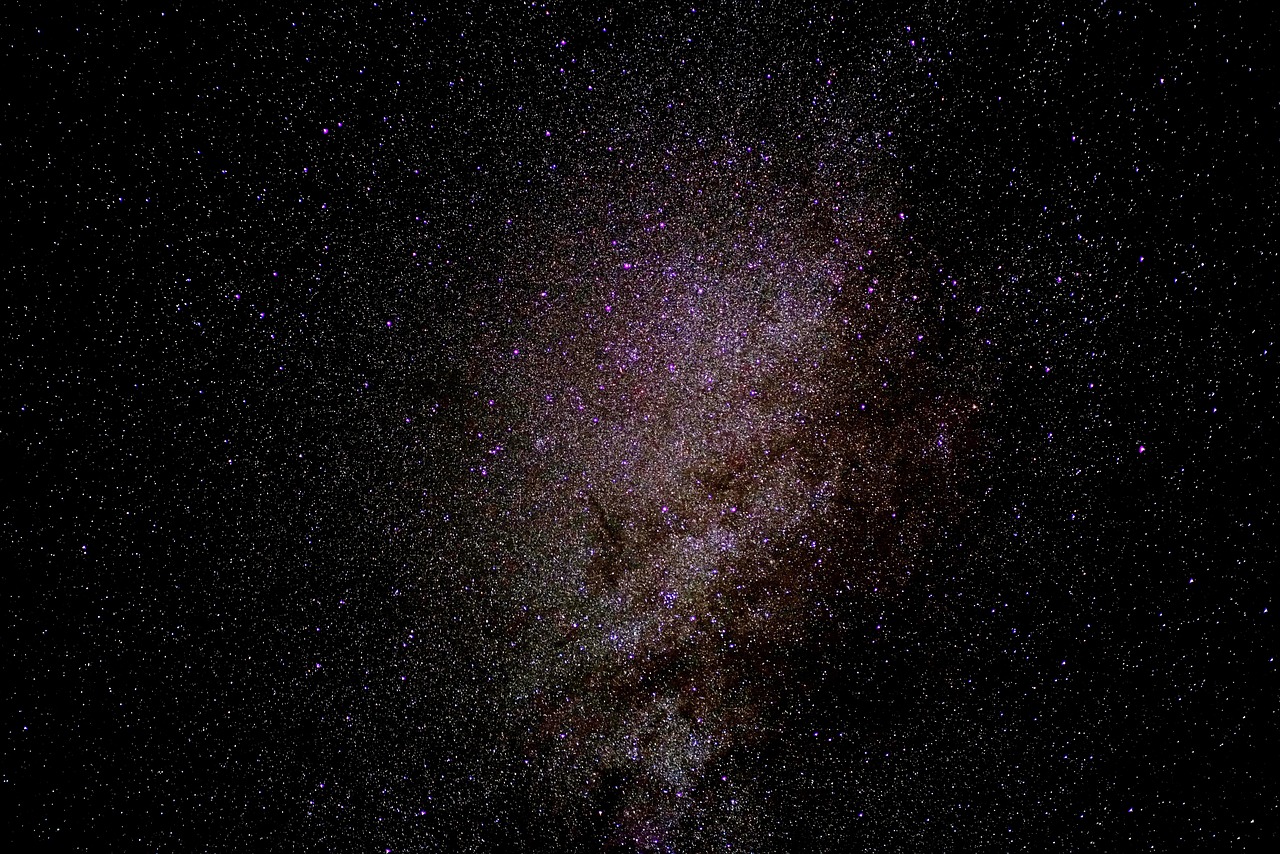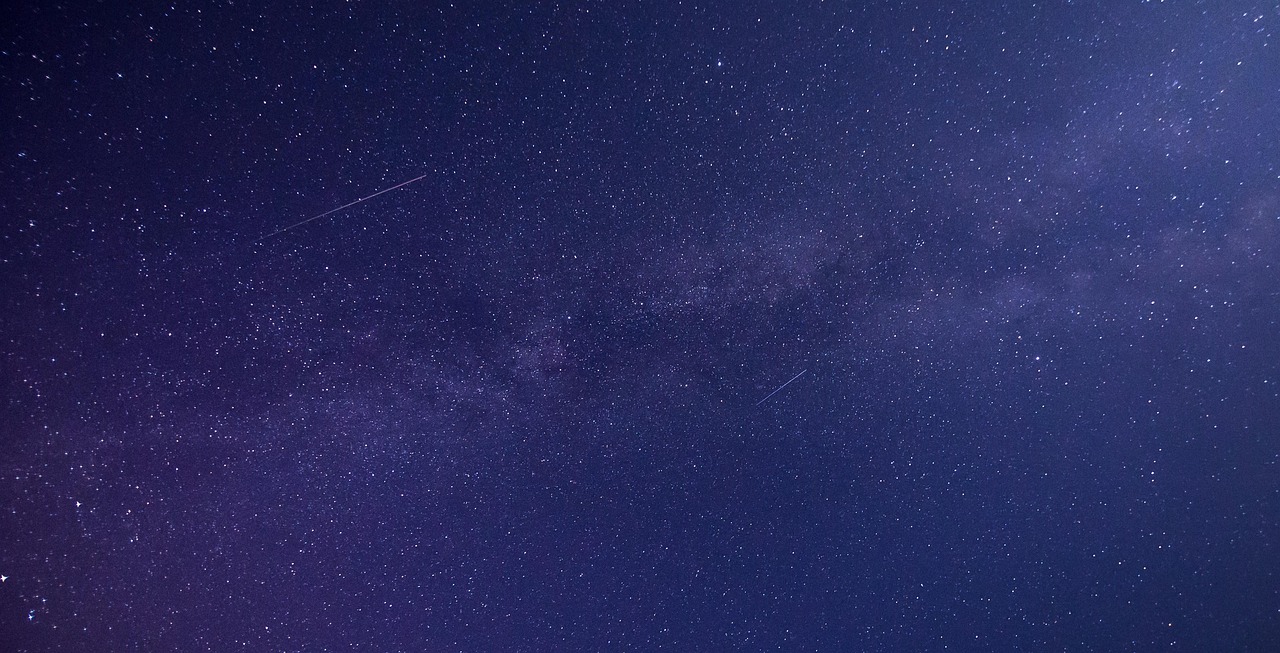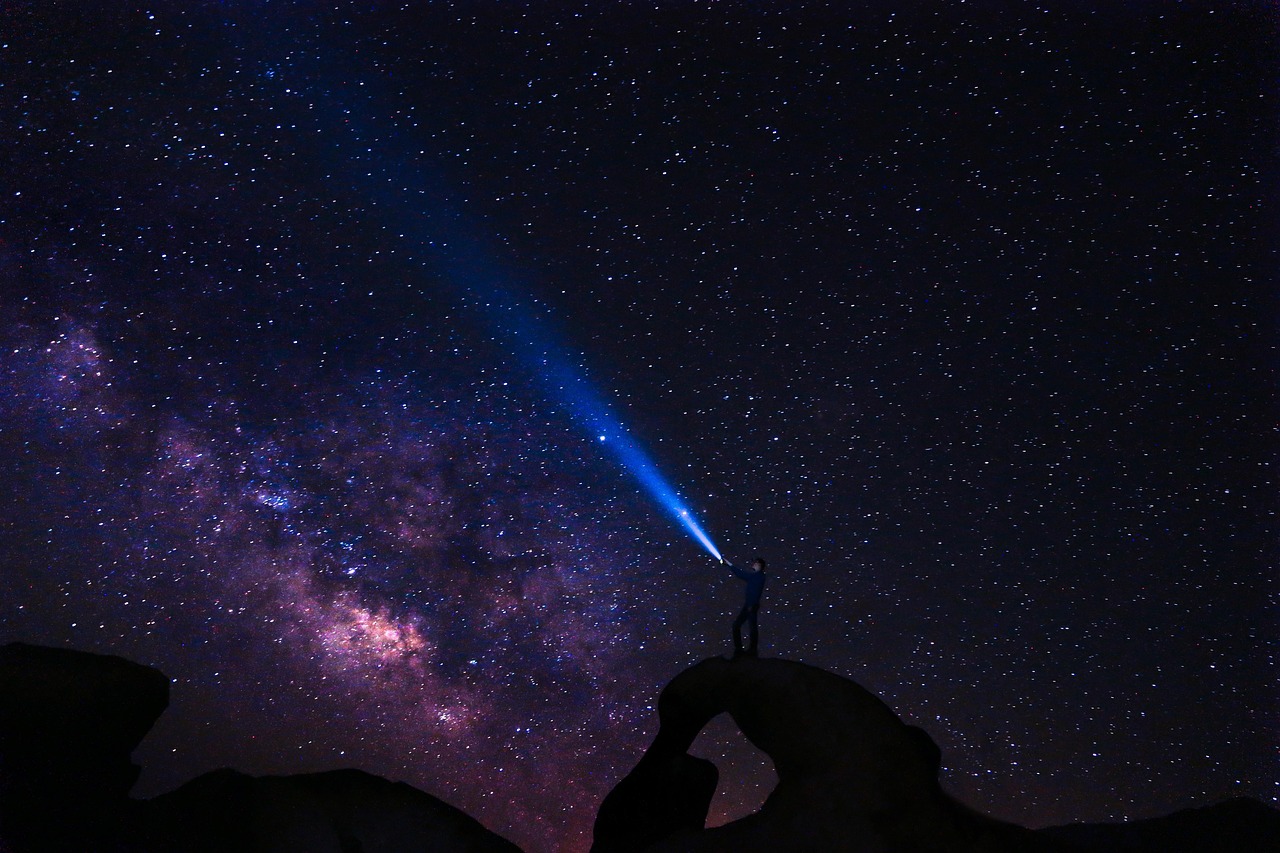
There’s something profoundly magical about looking up at the night sky and witnessing the cosmic dance of stars, planets, and constellations unfolding above your neighborhood.

Urban stargazing has transformed from a distant dream into an accessible adventure that’s revolutionizing how city dwellers connect with the universe. Whether you’re living in a bustling metropolis or a quiet suburban area, rooftop stargazing offers an escape from the ordinary and opens a gateway to celestial wonders right above your head. The beauty of this experience lies not in traveling to remote observatories, but in discovering the astronomy playground that exists in your own backyard—or more precisely, on your rooftop.
Why Rooftop Stargazing Has Become the Ultimate Urban Adventure ✨
The rooftop stargazing movement has exploded in recent years as people seek meaningful experiences that blend accessibility with wonder. Unlike traditional astronomy activities that require expensive equipment or trips to dark sky reserves, neighborhood rooftop observations bring the cosmos to your doorstep. This democratization of astronomy has created a new generation of amateur stargazers who are discovering that you don’t need to escape civilization to find celestial magic.
Urban rooftops provide surprisingly effective viewing platforms when you know how to work with your environment. While light pollution presents challenges, modern stargazing techniques and technology have made it possible to observe planets, bright stars, meteor showers, and even some deep-sky objects from city locations. The key is understanding what to look for and when to look for it.
Setting Up Your Perfect Rooftop Observatory
Creating your ideal rooftop stargazing space doesn’t require a massive investment or complex installations. Start by identifying the best location on your rooftop—typically the area with the least obstructed view of the sky and minimal direct light interference from neighboring buildings or street lamps. Safety should always be your primary concern, so ensure your rooftop access is legal, secure, and has appropriate railings or barriers.
Essential Equipment for Neighborhood Stargazing
Your rooftop astronomy setup can be as simple or sophisticated as your interest and budget allow. For beginners, the naked eye is your first and most important tool. Many constellations, bright planets, and meteor showers are best observed without any equipment at all. As your interest grows, consider these additions:
- Red flashlight: Preserves your night vision while allowing you to navigate safely and read star charts
- Binoculars: A 7×50 or 10×50 pair reveals craters on the Moon, Jupiter’s moons, and star clusters
- Comfortable seating: Reclining chairs or blankets make extended observation sessions enjoyable
- Star charts or astronomy apps: Help you identify what you’re seeing in real-time
- Telescope (optional): A beginner-friendly telescope opens up planetary details and distant objects
- Warm clothing and beverages: Night temperatures drop quickly, even in summer
Navigating Light Pollution: Your Biggest Challenge and How to Overcome It 🌃
Light pollution is the stargazer’s nemesis, washing out fainter celestial objects and reducing the number of visible stars dramatically. However, smart urban astronomers have developed strategies to work around these limitations rather than letting them stop the adventure entirely.
Timing your observations is crucial. The hours between midnight and dawn typically offer darker skies as commercial lighting diminishes and fewer people are active. Additionally, observing during the new moon phase eliminates the Moon’s bright interference, revealing fainter stars and deep-sky objects that would otherwise remain hidden.
Using Technology to Enhance Your Urban Stargazing Experience
Smartphone astronomy applications have revolutionized how we explore the night sky. These apps use your phone’s GPS and compass to show you exactly what’s above you in real-time, making identification instant and accurate. Some popular options include Stellarium, which offers comprehensive sky mapping with detailed information about celestial objects.
Other valuable apps like SkySafari and Star Walk provide augmented reality features that overlay constellation patterns directly onto your camera view, making learning the sky intuitive and engaging. These digital tools compensate for light pollution by helping you focus on what’s actually visible from your location.
What You Can Actually See from Your Urban Rooftop
Even from light-polluted city rooftops, the celestial show remains impressive when you know what to target. The brightest planets—Venus, Jupiter, Mars, and Saturn—shine through urban skies with remarkable clarity. Venus, often called the Evening or Morning Star, appears so bright it’s sometimes mistaken for aircraft lights. Jupiter reveals its four largest moons through even modest binoculars, while Saturn’s rings become visible with a small telescope.
The Moon: Your Most Spectacular Neighbor
The Moon provides endless fascination for rooftop astronomers and remains unaffected by light pollution. Through binoculars or a telescope, the lunar surface reveals a landscape of dramatic craters, mountain ranges, and ancient lava plains. The best time to observe lunar details is during the quarter moon phases when shadows along the terminator (the line between light and dark) create stunning three-dimensional relief.
Seasonal Constellation Highlights
Each season brings different constellation patterns that tell ancient stories across the sky. Learning these patterns creates a deeper connection with the cosmos and helps you navigate the celestial sphere:
| Season | Featured Constellations | Notable Features |
|---|---|---|
| Winter | Orion, Taurus, Gemini | Orion’s Belt, Pleiades star cluster, brightest stars |
| Spring | Leo, Virgo, Boötes | Spring Triangle, galaxies in Virgo cluster |
| Summer | Scorpius, Sagittarius, Cygnus | Summer Triangle, Milky Way core, star clouds |
| Autumn | Pegasus, Andromeda, Cassiopeia | Great Square, Andromeda Galaxy, W-shape asterism |
Creating Community Through Shared Sky Experiences 👥
Rooftop stargazing transforms from a solitary pursuit into a community-building activity when you invite others to join your celestial adventures. Organizing neighborhood star parties creates opportunities for connection that extend beyond astronomical interests. These gatherings foster conversations about science, philosophy, and our place in the universe while building stronger neighborhood bonds.
Consider starting small with friends and family before expanding to wider community participation. Social media neighborhood groups provide excellent platforms for announcing upcoming astronomical events like meteor showers, planetary alignments, or International Space Station passes that everyone can enjoy together.
Teaching Children the Wonders of Astronomy
Rooftop stargazing offers exceptional educational opportunities for children, sparking curiosity about science, math, and the natural world. Kids are naturally fascinated by space, and direct observation creates lasting impressions that books and videos cannot match. Start with easily recognizable patterns like the Big Dipper, then progress to planets and meteor showers that provide instant excitement.
Making astronomy fun involves storytelling—share the mythology behind constellation names, explain how ancient navigators used stars for wayfinding, or discuss the possibility of life on distant planets. This approach transforms abstract astronomical concepts into engaging narratives that capture young imaginations.
Capturing the Magic: Astrophotography from Your Rooftop 📸
Modern smartphone cameras have made basic astrophotography surprisingly accessible. While professional-quality images require specialized equipment, stunning shots of the Moon, bright planets, and constellation patterns are within reach for anyone with a decent smartphone and a steady hand—or better yet, a tripod.
Start with lunar photography, which requires minimal equipment and produces immediately gratifying results. Using your phone’s manual mode (if available), reduce exposure to prevent the Moon from appearing as a bright white blob. Experiment with different exposure times and ISO settings until surface details become visible.
Long Exposure Techniques for Star Trails
Star trail photography creates mesmerizing images that show Earth’s rotation through time. These circular patterns around the celestial pole produce artistic compositions that work beautifully even with light pollution. Many free apps enable long exposure photography on smartphones, or you can use a DSLR camera set on a tripod for 15-30 minute exposures.
Planning Your Observations Around Celestial Events 🌠
The astronomical calendar provides regular highlights that make perfect focal points for your rooftop observations. Annual meteor showers like the Perseids in August or Geminids in December produce frequent shooting stars visible even from urban locations. These events require no equipment—just a comfortable viewing position and patience as your eyes adjust to the darkness.
Lunar and solar eclipses create extraordinary opportunities for rooftop viewing parties. While total solar eclipses are rare for any given location, partial eclipses and lunar eclipses occur more frequently and provide spectacular shows. Always use proper solar filters when observing the Sun—never look directly at it without certified eye protection.
Tracking the International Space Station
Few astronomical sights generate more excitement than watching the International Space Station pass overhead. This brilliant point of light moves steadily across the sky, completing an overhead pass in just a few minutes. Numerous websites and apps provide precise predictions for ISS passes visible from your location, often including multiple opportunities each week.
Deepening Your Astronomical Knowledge
As your rooftop stargazing hobby develops, expanding your astronomical knowledge enhances every observation session. Understanding what you’re seeing—the physics behind stellar evolution, the vast distances involved, or the chemical composition of planets—adds profound depth to the visual experience.
Online resources provide endless learning opportunities. YouTube channels dedicated to astronomy offer everything from beginner tutorials to coverage of latest space discoveries. Astronomy podcasts let you learn while commuting or doing other activities, building knowledge that makes your rooftop sessions more meaningful.
Joining Astronomy Communities
Local astronomy clubs welcome members of all experience levels and frequently organize group observing sessions, lectures, and workshops. These communities provide invaluable mentorship, equipment sharing opportunities, and friendship with people who share your celestial interests. Many clubs maintain dark sky observing sites that complement your urban rooftop experiences with occasional trips to truly dark locations.
The Mental Health Benefits of Regular Stargazing 🧠
Beyond the obvious educational and entertainment value, rooftop stargazing delivers significant mental health benefits. The practice naturally encourages mindfulness—focusing attention on the present moment while observing distant celestial objects creates a meditative state that reduces stress and anxiety. The vastness of space provides perspective on daily concerns, helping to contextualize personal challenges within the greater cosmic framework.
Regular evening sky observation establishes a healthy routine that gets you outside and away from screens. This natural circadian rhythm support improves sleep quality, especially when you avoid bright phone screens during your observations (use that red flashlight instead).
Making Rooftop Stargazing a Sustainable Habit
The key to long-term stargazing enjoyment lies in making it convenient and comfortable. Keep your essential equipment in a dedicated bag or container that’s ready to grab whenever clear skies appear. Setting calendar reminders for notable astronomical events ensures you don’t miss spectacular shows.
Start with realistic commitments—perhaps one or two observation sessions per month rather than attempting nightly observations. As the habit establishes itself naturally, you’ll find yourself checking the sky more frequently and planning your evenings around astronomical opportunities.
Weather dependency can frustrate beginners, but experienced stargazers learn to remain flexible. Cloudy nights provide opportunities to study star charts, research upcoming events, or maintain equipment. This preparatory work makes clear nights more productive and enjoyable.
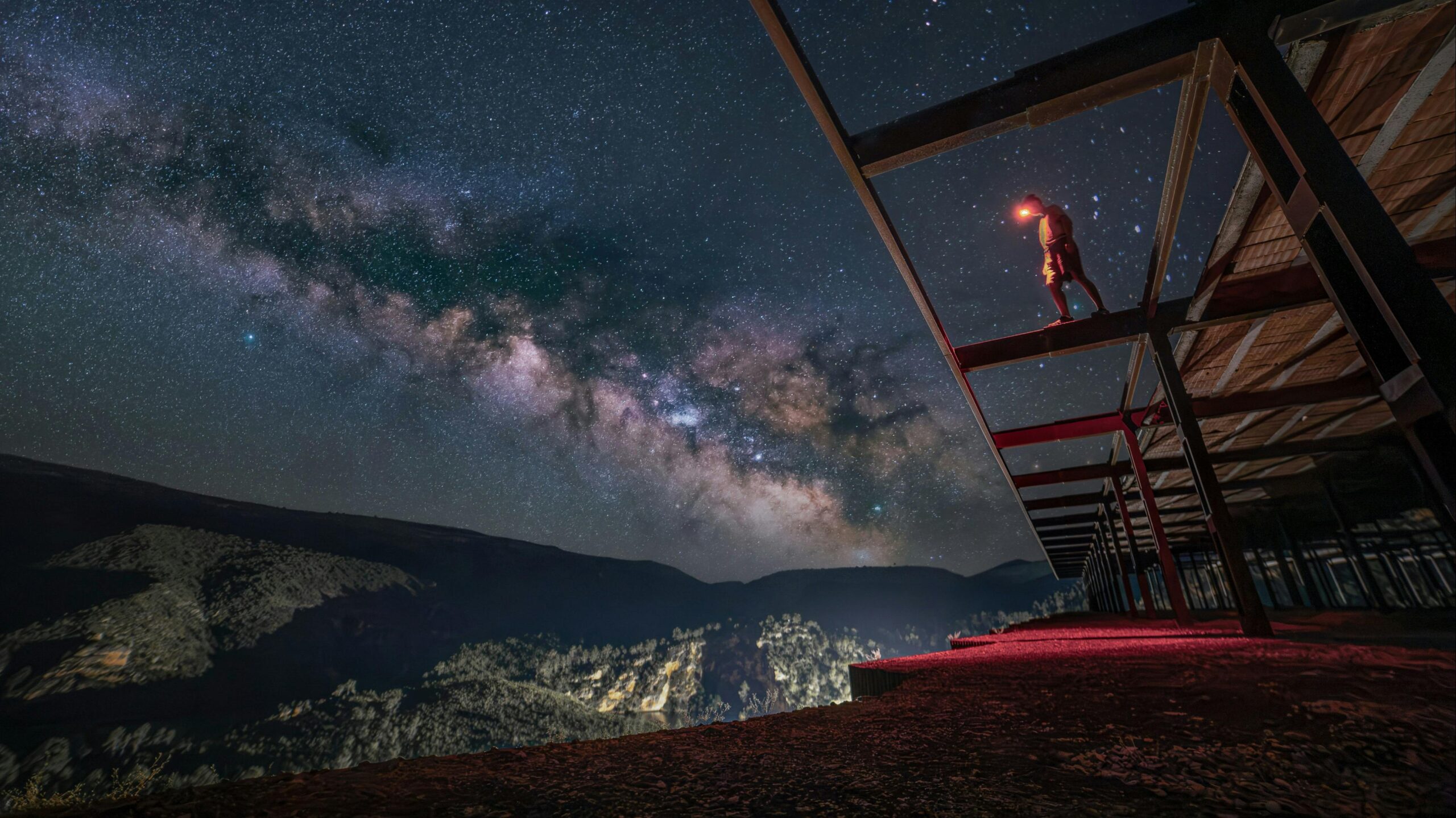
Elevating Your Evenings One Star at a Time ⭐
Rooftop stargazing represents more than a hobby—it’s a perspective shift that reconnects us with the natural world and our cosmic context. Each observation session offers something different: sometimes spectacular planetary views, other times quiet contemplation beneath familiar constellations, and occasionally unexpected surprises like bright meteors or auroral displays.
The magic lies not in expensive equipment or perfect conditions, but in simply looking up with curiosity and wonder. Your neighborhood rooftop, despite its urban location and light pollution challenges, provides a legitimate window into the universe. Every photon reaching your eyes has traveled across vast cosmic distances, carrying information about distant suns, planets, and galaxies.
By establishing regular rooftop stargazing practices, you’re joining a tradition that stretches back to humanity’s earliest nights around campfires, when our ancestors first wondered about those points of light overhead. The questions they asked—What are stars? How far away are they? Are we alone?—continue driving human curiosity today, and you’re participating in that eternal conversation each time you turn your gaze skyward.
So tonight, when the sun sets and darkness gathers, climb to your rooftop with fresh eyes and an open mind. The universe is waiting to share its stories with anyone willing to look up and listen. Your evening adventure begins with a single step upward and a moment of stillness beneath the stars. The cosmos has been performing its nightly show for billions of years—now it’s your turn to enjoy the greatest free entertainment in existence, right above your neighborhood.