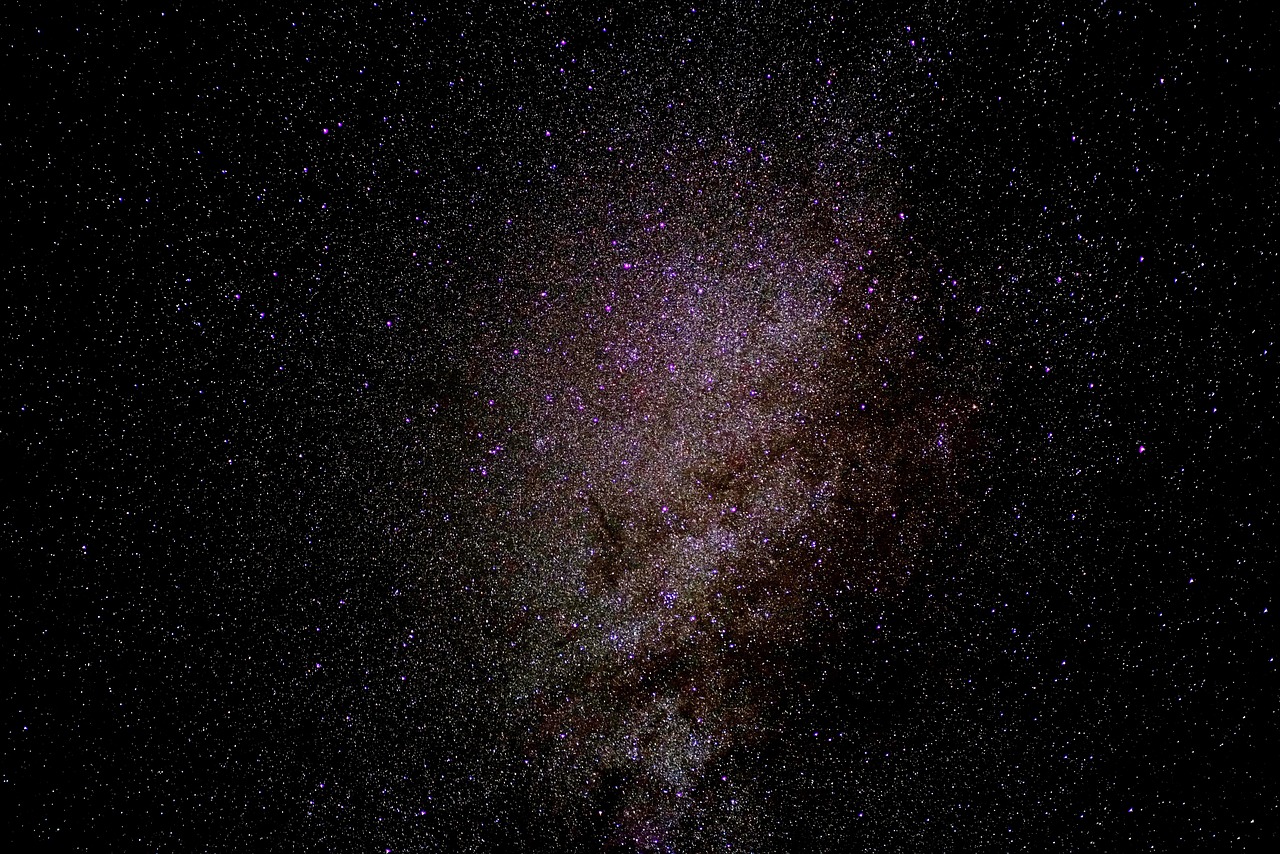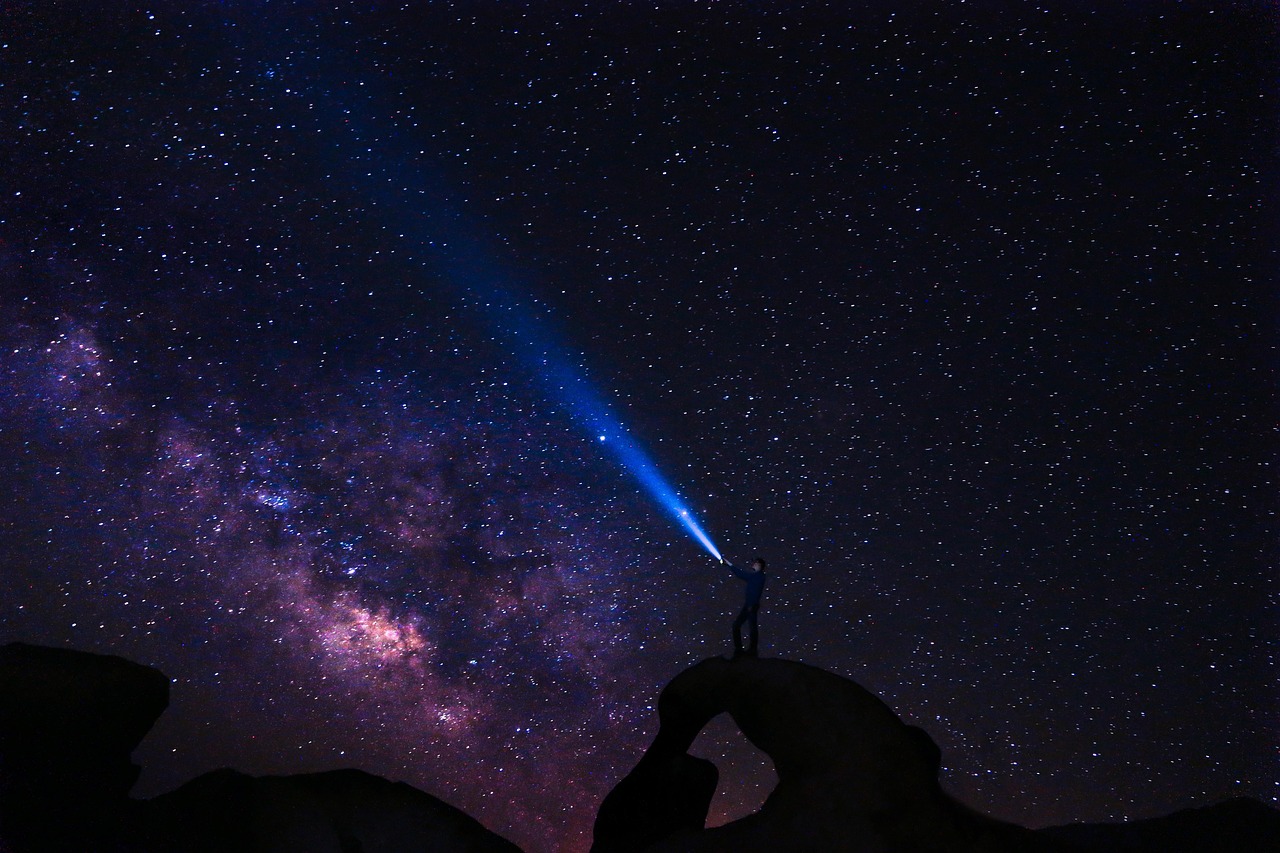
The glow of artificial lights has transformed our relationship with the night sky. What was once a canvas of stars visible to every human has now become obscured for billions worldwide, changing how we experience darkness and affecting ecosystems in profound ways.

Light pollution represents one of the most rapidly growing environmental challenges of our modern era. As cities expand and outdoor lighting becomes increasingly prevalent, the consequences extend far beyond obscured stargazing. From disrupted wildlife migration patterns to human health impacts, excessive artificial light at night creates ripples through natural systems that have evolved over millions of years in sync with natural light-dark cycles.
🌍 Understanding the Scale of Global Light Pollution
Research indicates that more than 80% of the world’s population lives under light-polluted skies, with this figure rising to 99% in Europe and the United States. This widespread artificial illumination doesn’t just affect urban dwellers—light pollution can travel hundreds of kilometers from its source, impacting remote areas once considered pristine dark-sky locations.
The phenomenon has accelerated dramatically since the introduction of LED technology. While LEDs offer energy efficiency benefits, they’ve also enabled more intense and widespread lighting installations. The blue-rich spectrum of many LED lights travels further through the atmosphere than traditional sodium vapor lamps, extending light pollution’s reach even further.
Satellite imagery from NASA and other space agencies reveals the extent of this transformation. Time-lapse images show how artificial light has spread across continents like luminous networks, with brightness levels increasing by approximately 2% annually in many regions. These visual records serve as powerful documentation of humanity’s illuminated footprint on Earth.
⭐ Why Dark Skies Matter More Than You Think
The preservation of natural darkness holds significance that extends well beyond romantic notions of stargazing. Dark skies represent a fundamental environmental condition that countless species depend upon for survival. Migratory birds use stars for navigation, sea turtle hatchlings orient themselves toward the ocean using moonlight, and nocturnal insects that pollinate night-blooming plants rely on natural light cues.
Human health also suffers when artificial light disrupts circadian rhythms. Exposure to light at night suppresses melatonin production, which can lead to sleep disorders, increased risk of certain cancers, obesity, and metabolic syndrome. Shift workers and individuals living in highly light-polluted areas face elevated health risks associated with circadian disruption.
Cultural and scientific losses accompany ecological and health impacts. For millennia, human cultures developed navigation systems, calendars, and mythologies based on celestial observations. Today, many children grow up never experiencing a truly dark sky filled with stars, representing a disconnect from natural phenomena that shaped human development and understanding.
📊 Methods for Measuring Sky Brightness
Quantifying light pollution requires standardized measurement approaches. Scientists and citizen scientists employ various tools and methodologies to track sky brightness and monitor changes over time. These measurements provide essential data for understanding trends, identifying problem areas, and evaluating mitigation efforts.
Professional Sky Quality Monitoring
Professional astronomical observatories utilize sophisticated photometers and all-sky cameras to continuously monitor sky brightness. These instruments measure the magnitude of sky glow across different wavelengths, creating comprehensive datasets that reveal temporal patterns and long-term trends. Networks like the International Dark-Sky Association’s Sky Quality Meter network provide standardized measurements across multiple locations.
Satellite-based monitoring offers a complementary perspective. The NOAA/NASA Suomi National Polar-orbiting Partnership satellite carries the Visible Infrared Imaging Radiometer Suite, which captures nighttime imagery of Earth’s surface. This space-based data allows researchers to track artificial light emissions at regional and global scales, identifying hotspots and monitoring changes in lighting infrastructure.
Citizen Science Contributions
Community involvement has become increasingly important in documenting light pollution. Programs like Globe at Night invite participants worldwide to compare their night sky observations with standardized charts, rating visibility of constellation patterns. These crowdsourced observations create valuable datasets spanning geographies that professional monitoring stations cannot cover.
Smartphone applications have democratized sky brightness measurement further. Apps using device cameras and sensors can estimate sky quality, allowing anyone to contribute data points. While less precise than professional equipment, the volume of measurements collected through these platforms provides valuable information about light pollution’s geographical distribution.
💡 Primary Sources and Types of Light Pollution
Understanding light pollution requires recognizing its various sources and manifestations. Not all artificial light contributes equally to sky brightness, and different lighting types create distinct problems requiring targeted solutions.
Urban Sky Glow
The dome of brightness visible above cities results from countless individual light sources collectively scattering off atmospheric particles. Street lighting, commercial signage, building illumination, and residential outdoor lights combine to create this phenomenon. The intensity of urban sky glow depends on population density, lighting technologies employed, and local lighting regulations.
Light Trespass
When light falls where it isn’t intended or needed, light trespass occurs. Unshielded outdoor lights that illuminate neighboring properties, streetlights shining into bedroom windows, and poorly aimed spotlights all represent forms of light trespass. Beyond contributing to sky glow, this unwanted illumination reduces privacy and comfort while wasting energy.
Glare
Excessive brightness that causes visual discomfort or reduces visibility constitutes glare. Improperly installed LED streetlights, overly bright advertising displays, and unshielded security lights create glare that can actually reduce safety by temporarily blinding observers or creating harsh shadows where threats might hide.
Light Clutter
Bright, confusing groupings of light sources characterize light clutter, commonly seen in commercial districts with competing signage. This visual chaos contributes to light pollution while potentially compromising safety by making it difficult to distinguish important visual information like traffic signals or emergency indicators.
🦋 Ecological Consequences of Artificial Night Lighting
The natural world evolved under predictable patterns of light and darkness, with countless species developing behaviors and physiological processes synchronized to these cycles. Artificial lighting disrupts these ancient relationships with cascading ecological consequences.
Insect populations face particular vulnerability. Many insects navigate using celestial light sources, but artificial lights disrupt this ability, causing them to circle lights until exhausted. Moths and other nocturnal insects contribute significantly to pollination and serve as food sources for numerous species, making their decline under light pollution ecologically significant.
Avian species suffer multiple impacts from light pollution. Migratory birds navigating using stars become disoriented by artificial lighting, particularly during cloudy conditions when lights reflect off clouds. Collision rates with illuminated buildings increase dramatically during migration periods. Diurnal birds exposed to artificial light at night may begin singing earlier, potentially disrupting breeding behaviors and energy expenditure patterns.
Marine ecosystems experience profound effects from coastal lighting. Sea turtle hatchlings instinctively move toward the brightest horizon—naturally the ocean reflecting moonlight. Artificial beachfront lighting draws hatchlings inland toward roads and development, drastically reducing survival rates. Coral reefs also respond to lunar cycles for synchronized spawning events, which artificial lighting can disrupt.
🛠️ Practical Solutions and Mitigation Strategies
Addressing light pollution doesn’t require eliminating outdoor lighting entirely. Smart design, appropriate technology selection, and thoughtful implementation can maintain safety and functionality while dramatically reducing unnecessary light emissions.
The Five Principles of Responsible Outdoor Lighting
The International Dark-Sky Association promotes five key principles that should guide lighting decisions:
- Useful: Light should have a clear purpose and benefit; decorative lighting serving no functional purpose should be minimized or eliminated
- Targeted: Light should illuminate only the intended area without spilling onto surrounding properties or skyward
- Low Light Levels: Use the minimum brightness necessary for the task; more light doesn’t always mean better visibility or safety
- Controlled: Light should be used only when needed, employing timers, dimmers, and motion sensors to limit duration
- Color: Warmer color temperatures (below 3000K) reduce sky glow and ecological disruption compared to blue-rich white light
Fixture Design and Shielding
Fully shielded light fixtures that direct illumination downward represent one of the most effective interventions. Shielding prevents light from escaping upward and reduces horizontal light trespass. Retrofitting existing fixtures with shields costs relatively little while providing immediate benefits.
Cut-off angle specifications ensure fixtures emit no light above horizontal. Full cut-off fixtures emit zero light at or above 90 degrees from vertical, while sharp cut-off allows minimal light (2.5%) at this angle. These design standards prevent direct upward light emission while maintaining ground-level illumination.
Smart Controls and Adaptive Lighting
Technology enables dynamic lighting systems that adjust to actual needs rather than providing constant illumination. Motion sensors activate lights only when needed, dramatically reducing cumulative light pollution while maintaining security benefits. Dimming systems can reduce intensity during low-activity periods, with studies showing that moderate dimming often goes unnoticed while providing substantial energy and light pollution benefits.
Astronomical timers that account for sunrise and sunset times ensure lights operate only during dark periods, preventing wasteful daytime operation. Adaptive controls can even respond to ambient light conditions, maintaining consistent illumination levels regardless of moonlight or weather conditions.
🌟 Dark Sky Preservation Initiatives Worldwide
Recognition of light pollution’s impacts has spurred organized efforts to preserve natural darkness in key locations while promoting better lighting practices broadly. These initiatives demonstrate that meaningful change is achievable through coordinated action.
International Dark Sky Places
The International Dark-Sky Association certifies locations that demonstrate exceptional darkness quality and commitment to preservation. These designations include Dark Sky Parks, Reserves, Communities, and Sanctuaries. Certification requires meeting specific sky brightness criteria and implementing comprehensive lighting management plans.
As of recent counts, over 190 locations across six continents have received International Dark Sky Place designations. These range from remote wilderness areas to inhabited communities proving that darkness preservation and modern life can coexist. Certified locations often experience increased tourism, demonstrating economic benefits of darkness preservation.
Legislative Approaches
Progressive jurisdictions have enacted lighting ordinances that establish standards for outdoor lighting. These regulations typically address shielding requirements, brightness limits, color temperature restrictions, and operational controls. France implemented national legislation requiring commercial and office buildings to turn off interior lighting during unoccupied hours, demonstrating governmental recognition of light pollution’s significance.
Some regions employ lighting zones that establish different standards based on surrounding light levels and land use. Rural areas receive stricter protections while urban cores have relaxed requirements, acknowledging different contexts while still promoting improvement from baseline conditions.
🔬 Emerging Research and Future Directions
Scientific understanding of light pollution continues evolving as researchers investigate mechanisms, impacts, and solutions. Recent studies have revealed effects previously unknown or underestimated, emphasizing the importance of continued investigation.
Research into spectral impacts shows that blue-rich light produces disproportionate effects on circadian rhythms and ecological systems compared to warmer color temperatures. This finding has prompted recommendations for limiting blue light emissions, particularly from LED sources. Some municipalities now specify maximum color temperatures for outdoor lighting installations.
Economic analyses increasingly demonstrate that light pollution reduction makes financial sense. Studies show that proper lighting design reduces energy consumption by 30-70% compared to typical installations while maintaining or improving visibility and safety. When combined with LED efficiency improvements, communities can achieve dramatic operational cost reductions alongside environmental benefits.
✨ Taking Personal Action Against Light Pollution
Individual actions collectively create significant impact. Every properly designed light fixture, every motion sensor installed, and every unnecessary light eliminated contributes to broader solutions.
Homeowners can audit their outdoor lighting, ensuring fixtures are shielded, aimed appropriately, and operated only when needed. Replacing bright white LEDs with warmer alternatives reduces blue light emissions. Advocating for better lighting practices in community spaces, workplaces, and public facilities extends individual impact.
Participating in citizen science projects contributes valuable data while raising awareness. Making sky brightness observations, photographing light pollution examples, and sharing information helps document the problem and track changes over time.
Supporting organizations dedicated to dark sky preservation through membership, donations, or volunteer work strengthens advocacy efforts. These groups work with governments, businesses, and communities to promote lighting improvements and policy changes that individual actions alone cannot achieve.
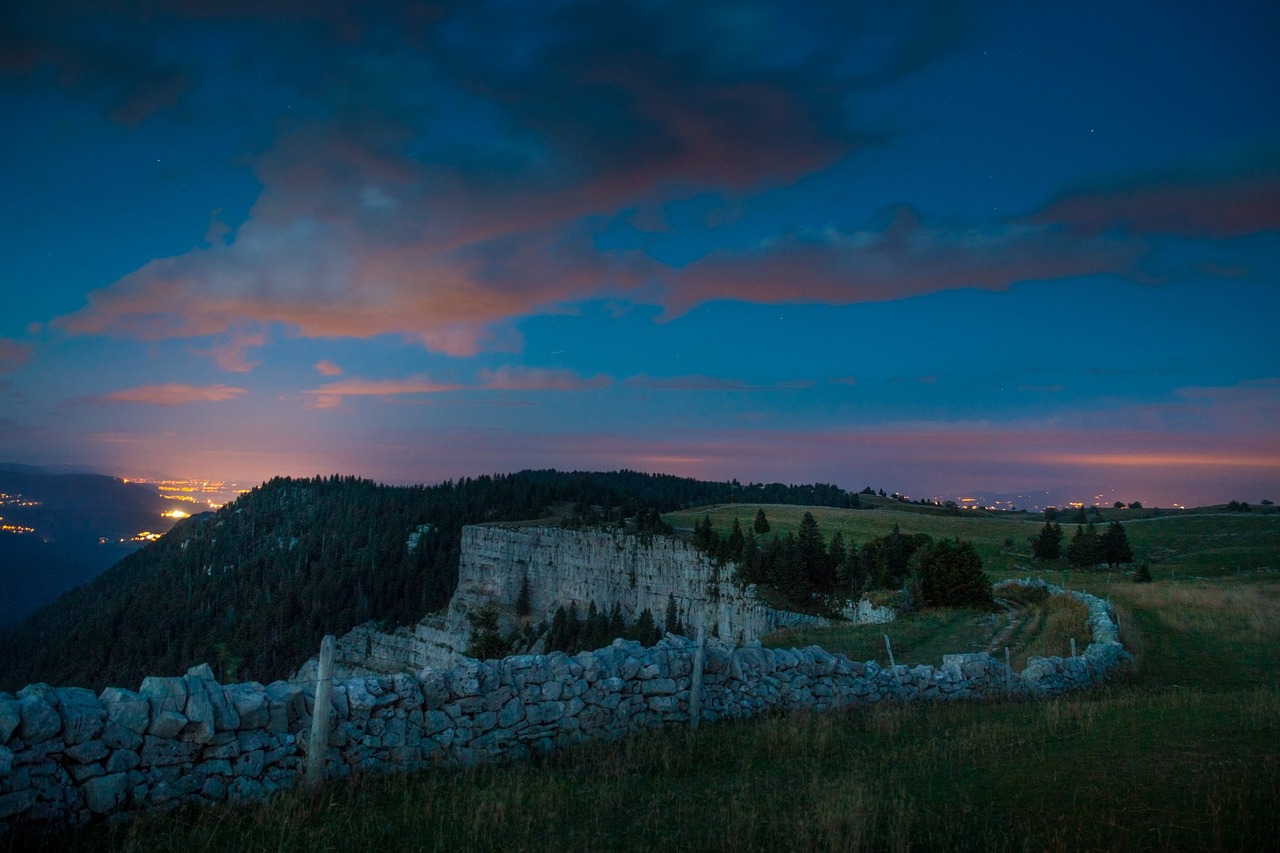
🌌 Reconnecting With the Night Sky
Beyond environmental and health considerations, reducing light pollution offers opportunities to restore humanity’s connection with the cosmos. Experiencing a truly dark sky filled with stars, the Milky Way arching overhead, and the subtle glow of planets provides perspective that urban environments obscure.
This connection inspired scientific inquiry throughout human history. Astronomy, mathematics, physics, and navigation all developed from observations of celestial phenomena. When we lose access to dark skies, we risk losing inspiration for future generations of scientists, explorers, and thinkers who might otherwise find motivation in stargazing.
The night sky represents a shared natural resource, one of the few remaining commons accessible to everyone regardless of economic status. Unlike national parks that require travel, the night sky exists overhead everywhere, waiting to reveal itself when artificial lights dim. Preserving this accessibility ensures that future generations can experience the wonder, perspective, and inspiration that dark skies provide.
The challenge of light pollution is ultimately solvable. Unlike many environmental problems requiring complex technological solutions or fundamental lifestyle changes, light pollution mitigation often involves simple modifications to existing systems. Shielding fixtures, adjusting aim, reducing intensity, and controlling operation hours—these straightforward interventions yield immediate benefits.
As awareness grows and solutions proliferate, momentum builds toward a future where artificial lighting serves human needs without sacrificing darkness. Communities worldwide are demonstrating that security, commerce, and modern life remain fully compatible with responsible lighting practices. The path forward requires continued advocacy, education, and implementation of proven strategies, illuminating our world wisely while preserving the precious darkness above.