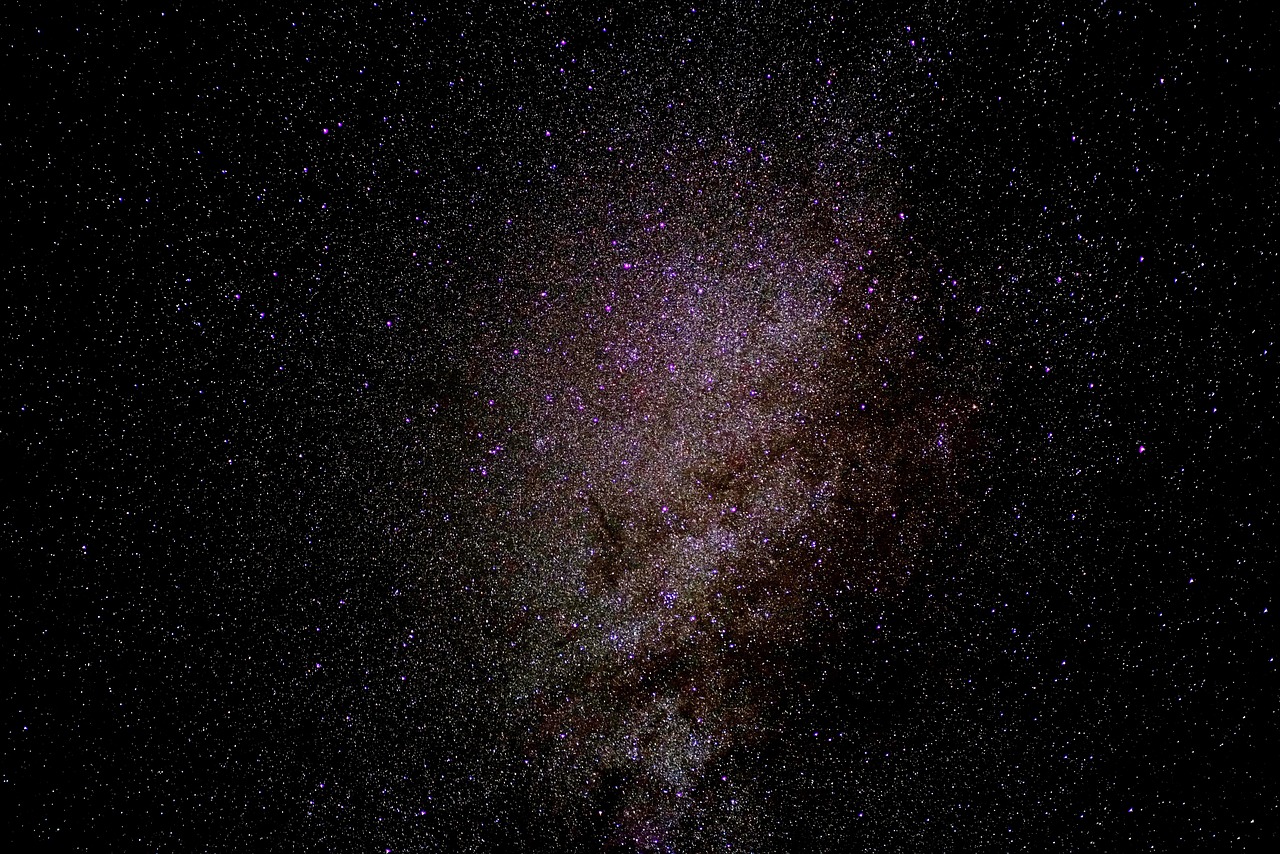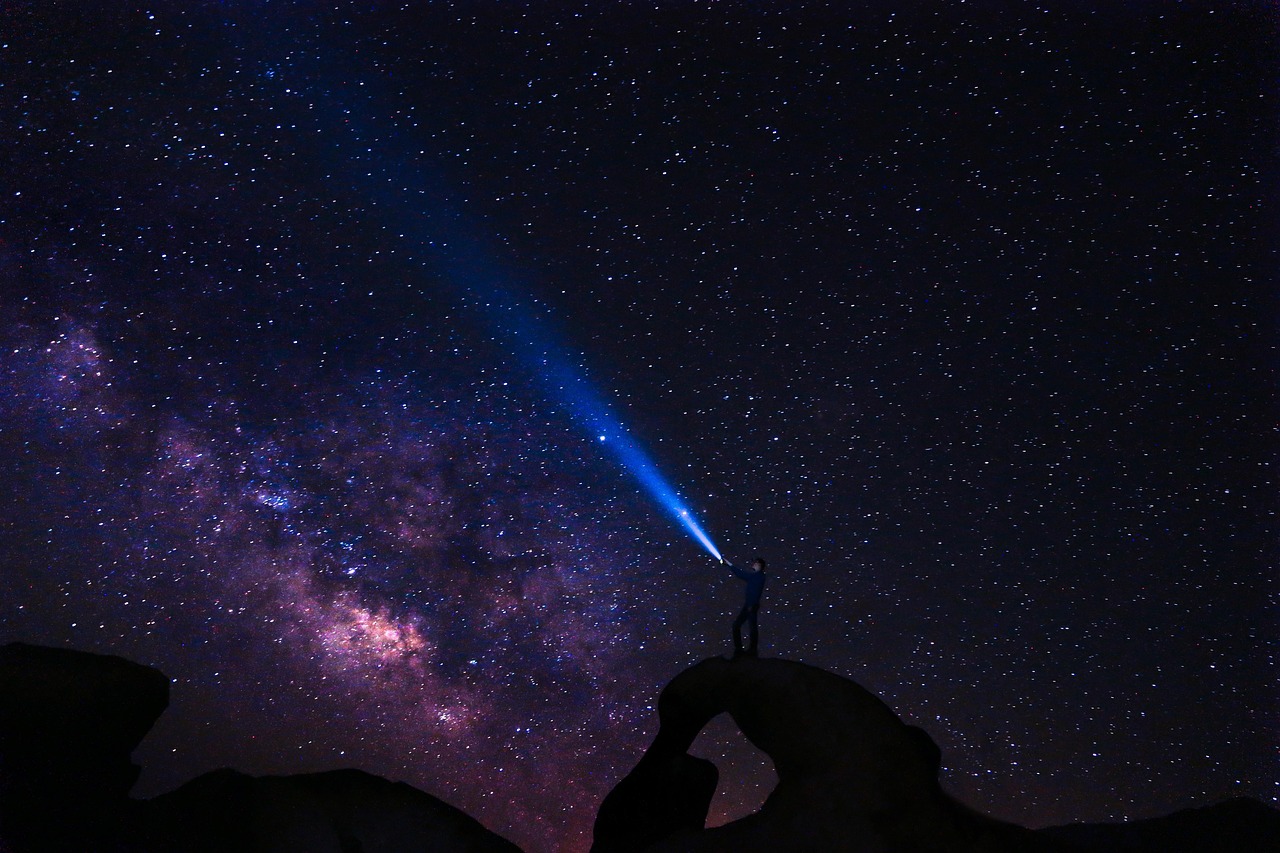
The night sky has captivated humanity for millennia, and today’s technology makes exploring celestial wonders more accessible than ever before.

Whether you’re a seasoned astronomer or just beginning your journey into stargazing, constellation observation trackers have revolutionized how we connect with the cosmos. These innovative tools transform your smartphone or tablet into a powerful astronomical instrument, guiding you through the celestial sphere with unprecedented accuracy and educational depth. From identifying distant galaxies to tracking meteor showers, modern stargazing apps offer features that were once only available to professional astronomers with expensive equipment.
🌌 Why Constellation Trackers Are Essential for Modern Stargazers
Gone are the days when stargazing required bulky star charts and extensive astronomical knowledge. Constellation observation trackers have democratized astronomy, making it possible for anyone with a smartphone to identify stars, planets, and constellations with remarkable precision. These applications use augmented reality, GPS technology, and comprehensive astronomical databases to provide real-time information about celestial objects.
The beauty of these digital tools lies in their ability to overlay information directly onto your view of the night sky. Simply point your device upward, and the app identifies what you’re looking at, providing names, distances, and fascinating facts about each celestial body. This immediate feedback creates an engaging learning experience that traditional methods simply cannot match.
For beginners, these trackers eliminate the intimidation factor often associated with astronomy. Instead of memorizing star patterns or struggling with coordinate systems, users can intuitively explore the heavens. The educational value extends beyond simple identification—many apps include detailed information about mythology, scientific discoveries, and upcoming astronomical events.
⭐ Top Features to Look for in Constellation Observation Apps
When selecting the perfect stargazing companion, several key features distinguish exceptional apps from mediocre ones. Understanding these capabilities will help you choose the tracker that best matches your astronomical ambitions and skill level.
Augmented Reality Integration
The most impressive constellation trackers utilize augmented reality to superimpose celestial information directly onto your camera view. This technology creates an immersive experience where constellations appear labeled in real-time as you move your device across the sky. The seamless integration between your physical surroundings and digital overlays makes learning intuitive and engaging.
Comprehensive Sky Catalogs
Premium stargazing apps feature extensive databases containing thousands—sometimes millions—of celestial objects. These catalogs include stars, planets, satellites, comets, asteroids, nebulae, and galaxies. The depth of information varies, but the best trackers provide detailed data about magnitude, distance, proper names, catalog numbers, and scientific classifications.
Time Travel Functionality
One particularly fascinating feature allows users to travel through time, viewing how the sky appeared in the past or will appear in the future. This capability proves invaluable for planning observation sessions, understanding celestial mechanics, and witnessing historical astronomical events. You can watch planetary alignments, eclipse paths, and constellation movements across seasons.
Notification Systems for Celestial Events
The best constellation trackers keep you informed about upcoming astronomical phenomena. Push notifications alert you to meteor showers, planetary conjunctions, International Space Station passes, and other special events. This feature ensures you never miss spectacular celestial shows.
🔭 Leading Constellation Observation Trackers Worth Exploring
The marketplace offers numerous stargazing applications, each with unique strengths and approaches. Here are some of the most respected options that have earned praise from both amateur enthusiasts and professional astronomers.
Star Walk 2: Elegant Design Meets Powerful Features
Star Walk 2 stands out for its stunning visual presentation and intuitive interface. The app renders the night sky with breathtaking graphics while maintaining scientific accuracy. Its star-hopping feature helps users navigate from familiar objects to harder-to-find celestial bodies. The time machine function smoothly animates celestial movements, making it easy to understand orbital mechanics and seasonal changes.
The application includes detailed 3D models of constellations, showing not just their traditional stick-figure representations but also artistic interpretations based on mythology. Users appreciate the “What’s Up Tonight” feature, which highlights the most interesting objects currently visible from their location.
SkySafari: The Astronomer’s Choice
SkySafari has earned a reputation as one of the most comprehensive astronomy apps available. Available in multiple tiers (Basic, Plus, and Pro), it offers scalability for users at every experience level. The Pro version includes over 100 million stars, 3 million galaxies, and 750,000 solar system objects.
What sets SkySafari apart is its telescope control capability. Advanced users can connect the app to compatible computerized telescopes, effectively using their mobile device as a sophisticated control system. The simulation accuracy makes it valuable for serious observation planning and astronomical research.
Stellarium Mobile: Desktop Power in Your Pocket
Based on the popular desktop planetarium software, Stellarium Mobile brings professional-grade features to smartphones and tablets. The app renders a realistic sky in real-time, complete with atmosphere effects, twilight simulation, and accurate star twinkling.
Stellarium excels at providing an authentic planetarium experience. The constellation artwork draws from various cultural traditions, not just Western interpretations. This multicultural approach offers fascinating insights into how different civilizations understood and mapped the heavens.
Sky Tonight: Simplicity and Effectiveness
Sky Tonight prioritizes accessibility and ease of use without sacrificing functionality. Its clean interface makes it perfect for beginners, while still offering enough depth to satisfy experienced stargazers. The app’s event calendar is particularly well-designed, presenting upcoming astronomical phenomena in an easily digestible format.
The “Visible Tonight” feature quickly shows what’s worth observing based on your location, weather conditions, and current sky visibility. This practical approach helps users make the most of clear nights without requiring extensive astronomical knowledge.
NASA App: Official Space Agency Resources
While not exclusively a constellation tracker, the NASA app deserves mention for its authoritative content and real-time mission data. It includes sky viewing features alongside breaking space news, mission information, and stunning imagery from NASA’s various programs.
The app provides ISS sighting opportunities specific to your location, allowing you to watch the station traverse the sky. The integration of educational content with observational tools makes it an excellent companion for learners of all ages.
📱 Maximizing Your Stargazing Experience with Tracker Apps
Owning a constellation observation tracker is just the beginning—knowing how to use it effectively amplifies your astronomical adventures exponentially. Here are practical strategies for getting the most from these powerful tools.
Optimize Your Device Settings
Before heading out for observation sessions, adjust your device settings appropriately. Enable night mode or red-light filters within the app to preserve your natural night vision. Bright white screens destroy the eye’s dark adaptation, which takes 20-30 minutes to develop fully. Most quality astronomy apps include built-in night modes that use red illumination, which minimally impacts night vision.
Increase screen brightness slightly above your normal settings—you’ll be viewing in darkness, and too-dim screens become difficult to read. However, avoid maximum brightness, which drains batteries quickly and can still impair night vision. Find the sweet spot that allows comfortable viewing without excessive light pollution.
Calibrate Your Compass Regularly
Accurate compass calibration is essential for augmented reality features to work correctly. Before each stargazing session, calibrate your device’s compass by moving it through a figure-eight pattern several times. This ensures the app accurately overlays celestial information on your actual sky view.
Environmental factors like nearby electronics, metal structures, or magnetic rocks can interfere with compass accuracy. If your app seems misaligned with the actual sky, move to a different location and recalibrate.
Plan Ahead with Virtual Observations
Use the time-travel features to preview what will be visible during your planned observation session. Check the moon phase—full moons wash out fainter objects, while new moons provide the darkest skies for deep-sky observation. Review which planets are visible and at what times they rise and set.
Many apps allow you to create observation lists or favorites, marking objects you want to find. Building this list beforehand makes your actual stargazing more efficient and focused, especially if you’re working with limited clear-sky windows.
🌠 Enhancing Learning Through Interactive Features
Modern constellation trackers serve as interactive textbooks, transforming abstract astronomical concepts into tangible, visual experiences. Leveraging these educational features deepens your understanding and appreciation of the cosmos.
Explore the mythology mode available in many apps, which tells the stories behind constellation names. Understanding that Orion the Hunter pursues the Pleiades sisters, or that Cassiopeia sits eternally in her chair as punishment for vanity, adds narrative richness to your observations. These stories connect us to ancient peoples who looked at the same stars.
Use the measurement tools to calculate angular distances between objects. Learning to estimate degrees using your hand at arm’s length becomes second nature when you can verify measurements with your app. A fist covers approximately 10 degrees, while your pinky finger spans about 1 degree—knowledge that works even when technology fails.
Take advantage of audio guides and narrated tours available in premium apps. These guided experiences walk you through the night sky systematically, explaining what you’re seeing and why it matters. This structured approach benefits learners who feel overwhelmed by the sheer number of celestial objects.
🌍 Considering Location and Environmental Factors
Your observation location dramatically impacts what constellation trackers can help you discover. Understanding these environmental variables allows you to choose optimal stargazing sites and timing.
Light Pollution Awareness
Urban areas suffer from severe light pollution that washes out all but the brightest celestial objects. Many stargazing apps include light pollution maps showing areas with darker skies. Even traveling 30-50 miles from city centers can reveal exponentially more stars.
The Bortle Scale, integrated into some advanced apps, rates sky darkness from Class 1 (pristine dark sites) to Class 9 (inner-city skies). Understanding your local Bortle rating helps set realistic expectations and motivates trips to darker locations for special observations.
Weather Integration
Cloud cover obviously prevents stargazing, but other weather factors matter too. Atmospheric turbulence (seeing conditions) affects telescope views even when skies appear clear. Humidity can create haze that dims stars. Some constellation trackers integrate weather data, providing forecasts specific to astronomical observation.
Transparency and seeing forecasts predict how clear the atmosphere will be and how steady celestial objects will appear. These specialized forecasts prove more useful than general weather reports for planning observation sessions.
✨ Advanced Techniques for Experienced Stargazers
As your skills develop, constellation observation trackers reveal advanced capabilities that support serious astronomical pursuits beyond casual stargazing.
Astrophotography Planning
Many trackers include features specifically designed for astrophotographers. Virtual camera functions show exactly how celestial objects will frame within your camera’s field of view. Time-lapse planning tools help you visualize how objects will move across the sky during extended exposures.
Altitude and azimuth data help position cameras precisely for optimal composition. Knowing exactly when a planet will align with an interesting foreground element enables you to capture spectacular conjunction photographs.
Variable Star Observation
Dedicated observers contribute valuable data to astronomical science through variable star monitoring. Some advanced apps include variable star catalogs with predicted brightness curves. Recording observations of these changing stars and submitting them to organizations like the American Association of Variable Star Observers connects you to real scientific research.
Satellite Tracking Beyond the ISS
While most apps highlight International Space Station passes, advanced trackers include thousands of other satellites. Watching Iridium satellite flares, tracking spy satellites, or following newly launched Starlink trains adds another dimension to your observations. Understanding orbital mechanics becomes intuitive when you watch satellites traverse predictable paths.
🎓 Building a Stargazing Community Connection
Constellation observation trackers increasingly include social features that connect you with fellow astronomy enthusiasts worldwide. These community aspects enhance learning and motivation while sharing the wonder of cosmic discoveries.
Photo-sharing features allow you to document and share your observations. Seeing what others have captured from different locations inspires new observational goals. Community forums within apps provide spaces to ask questions, share tips, and discuss astronomical events.
Many apps include achievement systems and observation logs that gamify the stargazing experience. Working toward completion goals—like observing all Messier objects or identifying every visible planet—provides structure for your astronomical journey.
Local astronomy club integration features help you find nearby groups hosting star parties and observation events. Meeting experienced astronomers accelerates your learning while making the hobby more social and enjoyable.
💡 Practical Tips for Long-Term Success
Maintaining enthusiasm for stargazing requires balancing technology with direct observation, managing expectations, and developing consistent habits that deepen your connection with the night sky.
Don’t let the app become a barrier between you and the sky. After identifying objects with your tracker, spend time simply observing them without the device. Notice subtle colors, observe how they twinkle, and let your imagination engage with what you’re seeing. The technology should enhance, not replace, the direct experience.
Keep a personal observation journal beyond what the app records. Note your emotional responses, questions that arise, and personal discoveries. These reflections transform data points into meaningful experiences that you’ll treasure far more than digital logs.
Update your apps regularly—astronomical databases improve constantly, and developers add features based on user feedback. Enable automatic updates for seamless improvements, or check periodically for major version releases that might include significant new capabilities.
Consider investing in premium versions of apps you use frequently. Removing ads, accessing advanced features, and supporting developers ensures these valuable tools continue improving. Most astronomy apps cost less than a single astronomy magazine yet provide vastly more utility.

🚀 The Future of Constellation Tracking Technology
Emerging technologies promise even more immersive and powerful stargazing experiences. Artificial intelligence is beginning to identify celestial objects from photos automatically, while machine learning helps predict optimal observation conditions with increasing accuracy.
Augmented reality is evolving beyond simple overlays toward fully immersive mixed-reality experiences. Future apps may project lifelike 3D models of celestial phenomena, showing planetary surfaces, stellar evolution, or galaxy structures in unprecedented detail.
Integration with smart telescopes and automated observatories brings professional-grade equipment within reach of serious amateurs. Apps are becoming universal controllers for increasingly sophisticated hardware, blurring the line between amateur and professional astronomy.
The night sky awaits your exploration, and constellation observation trackers provide the keys to unlock its infinite wonders. Whether you’re taking your first steps into stargazing or pursuing advanced astronomical projects, these remarkable tools make the cosmos more accessible, understandable, and inspiring than ever before. Download an app, step outside on a clear night, and begin your personal journey through the stars—an adventure that will last a lifetime.