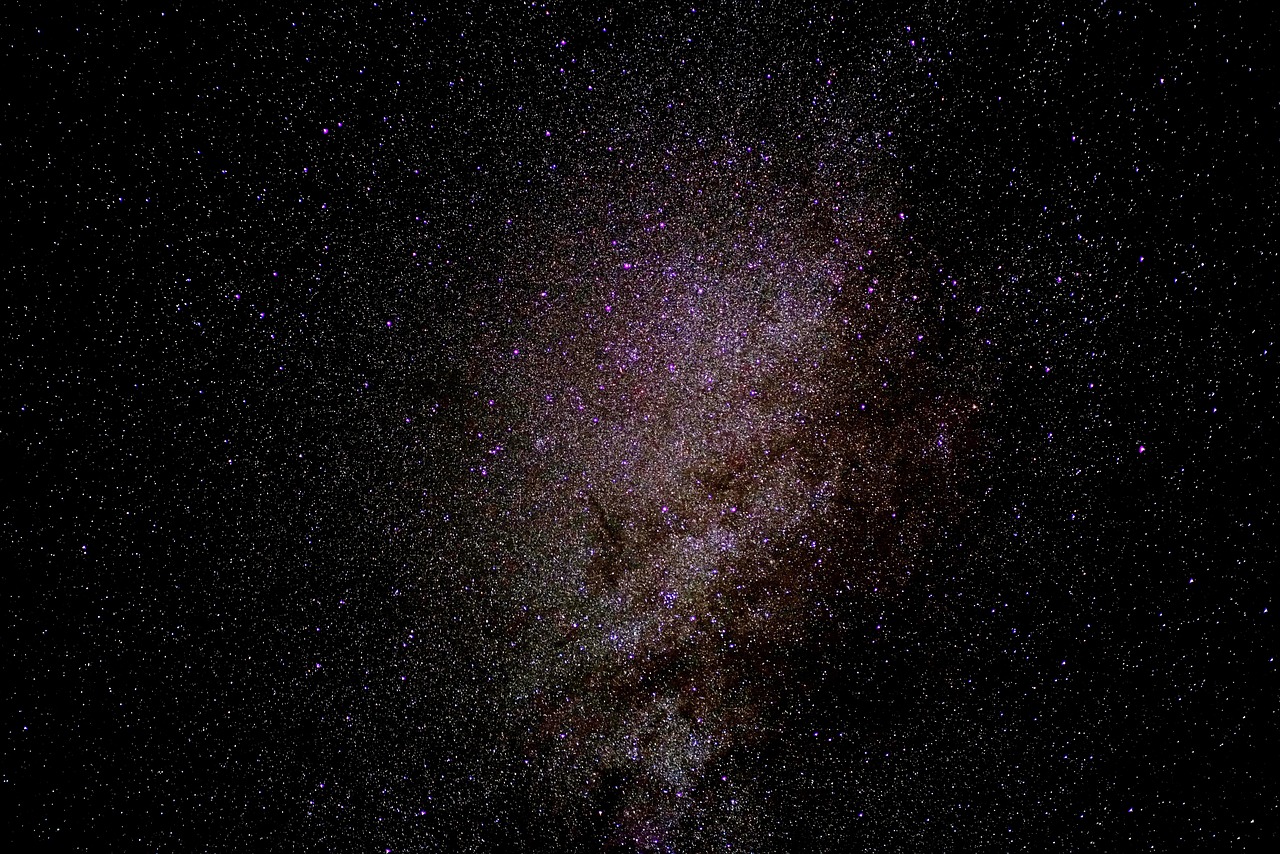
Gazing up at the night sky has captivated humanity for millennia, and tracking planetary movements offers a rewarding way to connect with the cosmos. Whether you’re a seasoned astronomer or just beginning your celestial journey, organizing your observations systematically can transform casual stargazing into a meaningful scientific pursuit.

Modern planet tracking combines ancient wonder with contemporary organization tools. Customizable planet tracking log templates provide structure to your observations, helping you record positions, appearances, and atmospheric conditions with precision. These templates turn scattered notes into valuable data that reveals patterns in planetary motion and improves your understanding of our solar system’s dynamic nature.
🌟 Why Planet Tracking Matters for Amateur Astronomers
Systematic planet observation serves multiple purposes beyond simple enjoyment. Recording planetary positions over time helps you understand orbital mechanics firsthand, witnessing the celestial dance that ancient astronomers could only theorize about. Your personal logs become historical records that document atmospheric conditions, visibility patterns, and seasonal variations in your specific location.
Professional astronomers rely on amateur observations to supplement their research, especially for tracking unusual phenomena or monitoring long-term changes. Your carefully maintained tracking logs could contribute to citizen science projects that advance our collective understanding of planetary science. Additionally, maintaining detailed records sharpens your observational skills, training your eye to notice subtle details that casual viewers might miss.
Essential Elements of an Effective Planet Tracking Log
A comprehensive planet tracking template should capture specific data points that make your observations scientifically valuable and personally meaningful. The foundation includes basic identification information: date, time, and location of your observation. These temporal and spatial coordinates allow you to contextualize your sightings and compare them with astronomical predictions.
Core Data Fields Every Template Should Include
Your tracking log should document the planet’s position using both constellation reference and precise coordinates when possible. Note the planet’s altitude above the horizon and its azimuth direction, creating a complete positional picture. Visual characteristics matter tremendously—record brightness, color, apparent size, and any visible features like Jupiter’s bands or Saturn’s rings.
Atmospheric conditions significantly impact observations, so your template must include fields for sky clarity, cloud cover, light pollution levels, and seeing conditions. Temperature and humidity affect both equipment performance and atmospheric distortion. Moon phase and position should also be noted, as lunar brightness can dramatically alter visibility conditions.
Equipment and Technical Specifications
Document the equipment used for each observation session. Record telescope or binocular specifications, including aperture, magnification, and any filters employed. Camera settings become crucial if you’re capturing planetary images—exposure time, ISO, and processing methods should all find their place in your template. This technical data helps you refine your observation techniques and troubleshoot issues with specific equipment configurations.
Customizing Templates for Different Observation Goals
Not all planetary observations serve the same purpose, and your tracking templates should reflect your specific astronomical interests. A general survey template works well for casual observers tracking multiple planets throughout the year, focusing on basic position and visibility data without excessive technical detail.
Specialized templates serve dedicated projects more effectively. If you’re monitoring Jupiter’s Great Red Spot, your template might emphasize rotation timing and feature measurements. Saturn observers might prioritize ring angle calculations and moon positions. Venus tracking demands attention to phase changes and elongation from the Sun.
Creating Templates for Long-Term Planetary Projects
Long-term observation projects require templates designed for trend analysis. Include fields that facilitate comparison across months or years, such as standardized brightness scales or consistent measurement protocols. Adding a notes section for unusual observations preserves contextual information that might prove significant when reviewing historical data.
Seasonal templates help track how planetary visibility changes throughout the year. These specialized logs might include sunrise and sunset times, twilight duration, and seasonal atmospheric patterns specific to your location. Such templates reveal optimal observation windows and help plan future viewing sessions more effectively.
📊 Digital vs. Paper: Choosing Your Tracking Method
The eternal question facing modern astronomers involves selecting between traditional paper logs and digital tracking solutions. Paper templates offer immediate accessibility, work in all weather conditions without battery concerns, and provide tactile satisfaction that many observers find rewarding. Sketching planetary features directly on paper often captures details that photographs miss, engaging observational skills in unique ways.
Digital templates provide powerful advantages in data management and analysis. Searchability transforms months of observations into instantly accessible information. Digital logs integrate seamlessly with astronomy software, allowing coordinate verification and automatic calculations. Cloud storage ensures your valuable observations survive equipment failures or disasters that might destroy physical notebooks.
Hybrid Approaches for Maximum Flexibility
Many experienced observers employ hybrid systems that capture the best of both worlds. Field observations recorded on waterproof paper get transcribed into digital databases during post-observation sessions. This approach ensures data capture even in challenging outdoor conditions while maintaining the analytical advantages of digital record-keeping.
Smartphone apps designed for astronomical observations offer convenient middle-ground solutions, though their screens can disrupt night vision. Red-light modes and dimming features help mitigate this issue, making mobile devices viable for field logging.
Designing Your Custom Planet Tracking Template
Creating a personalized tracking template begins with assessing your observation style and goals. List the data points most relevant to your interests, then organize them logically for efficient field use. Information you record most frequently should occupy prominent positions, while occasional data points can reside in secondary sections.
Layout Considerations for Field Use
Template design significantly impacts usability during actual observations. Large, clear fields prevent recording errors in darkness or cold conditions when dexterity suffers. Group related information together—all positional data in one section, atmospheric conditions in another, equipment details in a third. This organization speeds data entry and reduces the chance of overlooking important fields.
Consider the physical format carefully. Single-page templates work well for brief observations, while multi-page formats suit extended sessions with numerous data points. Leaving adequate space for sketches or diagrams adds valuable visual documentation to numerical data.
Building Progressive Detail Levels
Effective templates accommodate varying observation depths. A quick-look section captures essential information during brief opportunities, while detailed sections allow comprehensive documentation when time permits. This flexibility ensures you can record something valuable whether you have five minutes or an hour at the eyepiece.
| Observation Level | Time Required | Key Data Points |
|---|---|---|
| Quick Survey | 5-10 minutes | Date, time, planet, position, brightness |
| Standard Session | 15-30 minutes | All basic data plus atmospheric conditions, equipment details |
| Detailed Study | 30+ minutes | Comprehensive data including measurements, sketches, multiple observations |
🔭 Integrating Technology with Traditional Tracking
Modern astronomy software enhances traditional tracking without replacing hands-on observation. Planetarium programs verify your recorded positions against predicted planetary locations, confirming accuracy or revealing interesting discrepancies. Star charts generated from these applications help plan observation sessions by showing planetary positions at specific dates and times.
Specialized tracking applications streamline data entry and automate calculations that would consume significant time manually. Some programs generate observing lists based on your location and equipment, suggesting optimal targets for any given night. These tools complement paper logs by handling computational heavy lifting while you focus on actual observation.
Leveraging Mobile Apps for Enhanced Tracking
Smartphone astronomy applications have revolutionized amateur observation, putting powerful tools in every observer’s pocket. Apps with augmented reality features help identify planets in the actual sky, perfect for beginners learning to navigate celestial geography. Built-in logging functions let you record observations directly within the app, though transferring this data to comprehensive templates requires additional steps.
Coordinate calculation apps eliminate manual math, instantly converting between different celestial coordinate systems. Weather-specific astronomy apps predict seeing conditions and cloud cover, helping you decide whether to attempt observations on marginal nights. Integrating these technological aids with your tracking templates creates a comprehensive observation system greater than any single component.
Organizing and Analyzing Your Planetary Data
Accumulated observations gain value through systematic organization and periodic analysis. Chronological ordering provides the most straightforward arrangement, showing how planetary positions and appearances evolve over time. Create monthly summaries highlighting notable observations, unusual conditions, or personal milestones in your astronomical journey.
Creating Meaningful Visual Summaries
Transform raw data into visual formats that reveal patterns and trends. Plot planetary positions on star charts showing their paths through constellations across months or years. Graph brightness measurements to visualize how distance changes affect apparent magnitude. Create comparison sketches showing how features like Mars’ polar caps or Jupiter’s belts change with viewing geometry.
Photographic logs benefit from consistent processing and presentation. Maintain a standardized image format showing date, time, and observation conditions clearly. Build time-lapse sequences from regular observations, dramatically illustrating planetary rotation or orbital motion.
Sharing Your Observations with the Astronomy Community
Your carefully documented planet tracking logs contribute to larger astronomical efforts when shared appropriately. Online astronomy forums welcome quality observations, especially of unusual phenomena or events. Submit your data to citizen science projects that aggregate amateur observations for research purposes, transforming your personal hobby into genuine scientific contribution.
Building Your Astronomical Portfolio
Well-maintained tracking logs demonstrate serious commitment to astronomy, valuable if you’re pursuing educational opportunities or joining advanced amateur groups. Digital portfolios showcasing your best observations and most interesting discoveries open doors to collaborative projects with other observers. Your logs become a personal astronomical narrative, documenting your growth and evolving expertise.
Common Challenges in Planet Tracking and Solutions
Every observer encounters obstacles that threaten consistent tracking. Weather remains the primary frustration—clouds obscure targets, poor seeing distorts fine details, and temperature extremes challenge both equipment and observer comfort. Combat weather challenges by maintaining observation flexibility, having backup targets for suboptimal conditions, and accepting that some sessions will yield minimal data.
Light pollution plagues urban and suburban observers, washing out faint details and limiting what’s visible. Optimize your template for bright object observation when light pollution is unavoidable. Document pollution levels carefully; comparing observations from dark-sky sites versus light-polluted locations provides valuable perspective on environmental impact.
Maintaining Observational Discipline
Consistency challenges even motivated observers—life interrupts, weather disappoints, or simple fatigue reduces observation frequency. Set realistic goals matching your actual available time rather than idealized schedules. Even monthly observations of each visible planet provide valuable long-term data. Brief sessions matter more than extended marathons when building sustainable tracking habits.
Equipment issues occasionally derail observation plans. Keep backup observation methods available—naked-eye observations with binoculars beats missing a target entirely because telescope collimation seems off. Your tracking template should accommodate various observation methods, recognizing that different approaches yield different data types.
🌙 Advanced Template Features for Serious Observers
Experienced observers benefit from sophisticated template elements that capture subtle phenomena and enable detailed analysis. Add fields for phenomena like shadow transits across Jupiter, timing of Saturn’s moon occultations, or Mars surface feature visibility. Include measurement protocols for planetary disc diameter using reticle eyepieces or digital imaging techniques.
Incorporate standardized observational scales for consistent subjective assessments. The Antoniadi scale quantifies seeing conditions numerically, while magnitude estimates follow established protocols. Using recognized standards makes your observations comparable with other observers’ data and valuable for aggregate studies.
Scientific-Grade Data Collection
Templates designed for scientific contribution require enhanced precision and documentation. Record exact observation times to the second, not merely the minute. Include coordinate precision to arc-seconds when measuring planetary positions. Document all calibration procedures and equipment limitations that might affect measurement accuracy.
Add fields for systematic error sources—telescope tracking accuracy, atmospheric dispersion effects, or optical aberrations. This metadata helps researchers assess data quality when your observations contribute to professional studies or citizen science databases.
Building Long-Term Observational Success
Sustainable planet tracking requires developing systems that function reliably over months and years. Establish regular observation schedules matching planetary visibility and your personal availability. Quarterly reviews of your logs identify patterns in your own observing habits—which planets you observe most frequently, which conditions you favor, and how your skills develop over time.
Connect with other observers through astronomy clubs or online communities. Sharing templates and comparing observations enriches everyone’s understanding and provides motivation during periods when solo observation feels tedious. Collaborative projects give your individual tracking logs broader context and purpose.

Transforming Observation into Lasting Knowledge
Your planet tracking templates ultimately serve one purpose: transforming fleeting visual impressions into permanent knowledge. Well-designed logs capture not just what you saw, but when, how, and under what conditions you saw it. This comprehensive documentation allows future analysis that reveals patterns invisible during individual observations.
Years of accumulated data become astronomical gold—personal records showing how planets moved, how your observing skills developed, and how celestial mechanics plays out in real sky motion. Whether your goals are scientific contribution, personal education, or simple appreciation of cosmic beauty, systematic tracking amplifies every benefit of planetary observation.
The stars and planets will continue their eternal dance whether anyone watches or not. But by tracking them systematically with thoughtfully designed templates, you participate actively in that cosmic choreography, building understanding that connects you directly to the universe’s magnificent clockwork. Start tonight—grab a template, find a planet, and begin your journey of systematic celestial discovery. 🌠