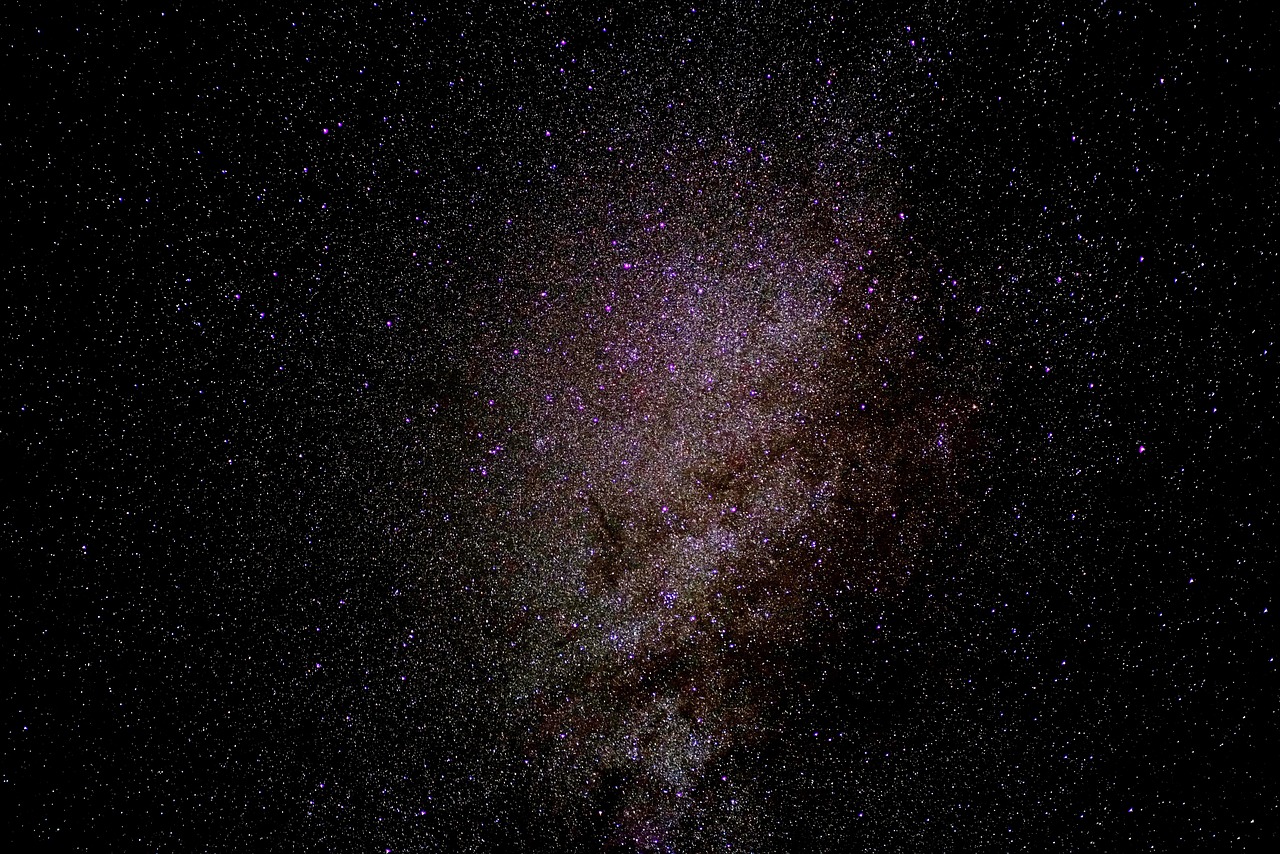
Stargazing is one of humanity’s oldest hobbies, connecting us to the cosmos in ways that inspire wonder and curiosity. Whether you’re a seasoned astronomer or a beginner with a telescope, keeping track of your observations can transform casual stargazing into a meaningful, educational adventure.

The night sky offers endless opportunities for discovery, but without proper documentation, those magical moments can fade from memory. Custom star chart session log templates provide the perfect solution, allowing you to record celestial events, track planetary movements, and build a personal astronomical journal that grows with your passion for the stars.
🌟 Why Documentation Matters in Stargazing
Every night under the stars is unique. The positions of planets change, meteor showers come and go, and atmospheric conditions vary dramatically. By maintaining detailed logs of your stargazing sessions, you create a valuable reference library that helps you identify patterns, improve your observation skills, and revisit memorable astronomical events.
Professional astronomers have always understood the importance of meticulous record-keeping. Amateur astronomers can benefit equally from this practice, even if they’re simply enjoying the night sky from their backyard. A well-maintained log helps you remember which constellations you’ve observed, what equipment worked best under different conditions, and when to expect recurring celestial events.
Documentation also adds a layer of intentionality to your stargazing adventures. Instead of casually glancing at the sky, you become an active participant in astronomical observation, engaging more deeply with what you see and learning to notice details you might otherwise miss.
Essential Elements of a Star Chart Session Log
A comprehensive stargazing log template should capture all the critical information that makes each observation session unique and valuable for future reference. The best templates balance thoroughness with simplicity, making it easy to record information even when you’re bundled up in cold weather or working by dim red light to preserve your night vision.
Basic Session Information
Every log entry should begin with fundamental details that establish the context for your observations. This includes the date and time of your session, your observation location with coordinates if possible, and the duration of your stargazing activity. These basic facts help you correlate your observations with astronomical databases and predict when similar viewing conditions might occur again.
Recording your location is particularly important because light pollution, elevation, and latitude dramatically affect what you can see. If you travel to different observation sites, this information becomes invaluable for planning future trips and comparing viewing quality across locations.
Weather and Atmospheric Conditions
The atmosphere is the lens through which we view the cosmos, and its condition profoundly impacts observation quality. Your log should include temperature, humidity levels, cloud cover percentage, and wind conditions. These factors influence both visibility and personal comfort during extended observation sessions.
Astronomical seeing conditions—the steadiness of the atmosphere—deserve special attention. Rate the seeing on a scale from poor to excellent, noting whether stars appear to twinkle excessively or remain steady. Transparency, or how clear the sky appears, should also be recorded, as haze and atmospheric dust affect how many stars you can see.
Equipment Used
Documenting your equipment setup helps you understand which tools work best for different observation goals. Record the telescope or binoculars used, including aperture size and focal length. Note any eyepieces, filters, or accessories employed during the session, along with magnification levels achieved.
If you’re using cameras or astrophotography equipment, include settings like ISO, exposure time, and any tracking mounts or software involved. This technical information becomes incredibly useful when you want to replicate successful observations or troubleshoot issues with image quality.
📋 Creating Your Custom Template Structure
The most effective star chart session logs are those customized to match your specific interests and observation style. A template designed for deep-sky object hunting will look different from one optimized for planetary observation or meteor shower counting.
Templates for Deep-Sky Observations
If you focus on galaxies, nebulae, and star clusters, your template should emphasize object identification and descriptive details. Include fields for the object name or catalog number (Messier, NGC, or IC numbers), constellation location, and right ascension/declination coordinates.
Descriptive fields should prompt you to note the object’s apparent size, brightness, color, and distinctive features. Sketch boxes or spaces for attaching drawings add significant value, as creating visual records trains your eye to notice subtle details that photographs often miss.
Rate each object’s visibility under current conditions, noting whether it appeared easily, required averted vision, or proved too faint to observe clearly. This information helps you build realistic expectations for future observations and choose appropriate targets based on current sky conditions.
Templates for Planetary and Lunar Observation
Planet watchers need templates that track changing features and positions over time. Include fields for noting which planet you observed, its apparent magnitude, and phase (for Venus and Mercury). Record surface features visible through your telescope, such as Jupiter’s cloud bands, Saturn’s ring angle, or Mars’s polar ice caps.
For lunar observations, create sections for recording which lunar phase you observed, specific craters or features examined, and the terminator position (the boundary between light and dark). The Moon’s appearance changes dramatically as sunlight angles shift, making date and time especially critical for these observations.
Templates for Meteor Showers and Transient Events
Tracking meteor showers requires a different approach focused on counting and timing. Your template should include fields for the shower name, radiant point location, and hourly counts broken into smaller time intervals. Note the brightness of observed meteors, color if visible, and whether they left persistent trains.
For events like satellite passes, eclipses, or occultations, emphasize precise timing and position information. These transient phenomena often happen quickly, so your template should allow for rapid note-taking without missing the action.
Digital vs. Paper Logs: Choosing Your Medium
The debate between digital and paper logging systems has passionate advocates on both sides, and both approaches offer distinct advantages for stargazers. Understanding the strengths of each helps you choose the method that best fits your observation style and preferences.
Advantages of Paper Logs
Traditional paper logs never run out of battery, work perfectly in cold weather, and don’t emit light that ruins your night vision. The tactile experience of sketching observations by hand can enhance your connection to what you’re seeing, forcing you to look more carefully and thoughtfully at celestial objects.
Paper logs also create a tangible record of your astronomical journey. Flipping through pages filled with your own handwriting and sketches from past years provides a satisfying sense of accomplishment and progress that digital files sometimes lack.
Benefits of Digital Templates
Digital logs offer powerful advantages in searchability, organization, and data analysis. You can instantly find all observations of a particular object, sort by date or location, and identify patterns across multiple sessions. Digital templates can include dropdown menus, automatic date stamps, and calculated fields that reduce repetitive data entry.
Cloud synchronization means your logs are automatically backed up and accessible from multiple devices. You can easily share observations with fellow astronomers, attach photographs directly to observation records, and integrate your logs with planetarium software or astronomical databases.
The Hybrid Approach
Many experienced observers use a hybrid system that captures the best of both worlds. They take quick field notes on paper during observation sessions, then transfer information to digital templates later when they’re warm and comfortable indoors. This approach preserves the immediacy of hand-written notes while gaining the organizational benefits of digital storage.
⭐ Enhancing Your Logs with Visual Elements
Written descriptions alone can’t fully capture the beauty and detail of celestial objects. Incorporating visual elements into your star chart session logs dramatically increases their value and makes reviewing past observations more engaging and informative.
Sketching Celestial Objects
Astronomical sketching is a skill that develops with practice and significantly improves your observation abilities. Start with simple circle templates representing your telescope’s field of view, then mark the positions and relative brightness of stars and features you observe.
Use pencils of varying hardness to represent different brightness levels, working from dark to light. Smudging and blending techniques help capture the soft glow of nebulae and the gradual brightness gradients of galaxies. Don’t worry about artistic perfection—accuracy and detail matter more than aesthetic beauty in astronomical sketches.
Integrating Photography
For digital logs, embedding astrophotography directly into your observation records creates a powerful combination of objective documentation and subjective observation notes. Include both wide-field context images showing where you observed and close-up photographs of specific targets.
Compare your visual observations with photographic results, noting which features appeared differently to your eye versus the camera. This comparison helps you understand your equipment’s capabilities and teaches you to anticipate what you’ll see through different optical systems.
Making the Most of Your Observation Records
The true value of star chart session logs emerges over time as you accumulate observations and begin analyzing patterns in your data. A single night’s log is interesting; years of consistent documentation become a treasure trove of astronomical insight and personal development.
Tracking Your Progression
Review older logs periodically to see how your skills have evolved. Compare your first attempts at describing or sketching an object with more recent observations of the same target. You’ll likely notice that you see more detail, describe features more accurately, and complete observations more efficiently as your experience grows.
This progression documentation can be incredibly motivating during periods when you feel your skills have plateaued. Looking back reminds you how far you’ve come and renews your enthusiasm for continuing to develop your astronomical abilities.
Planning Future Observations
Well-maintained logs help you plan more effective stargazing sessions by revealing which conditions produce the best results for different types of observations. Notice patterns about which locations, seasons, or lunar phases work best for your favorite astronomical targets.
Create a wish list of objects you haven’t yet observed, using your logs to identify similar objects you’ve successfully viewed in the past. If you enjoyed observing M13, your logs help you find comparable globular clusters to pursue next, building systematically on your experience.
Contributing to Citizen Science
Your carefully documented observations have value beyond personal enjoyment. Many citizen science projects welcome data from amateur astronomers, including variable star monitoring, meteor shower reports, and exoplanet transit confirmations. Professional researchers sometimes use amateur observations to supplement their data or verify unexpected phenomena.
Consistent, well-documented logs make your observations more valuable to these projects. Following standardized formats and including proper calibration information transforms your hobby into meaningful scientific contribution.
🔭 Tools and Resources for Star Chart Logging
Creating effective observation logs becomes easier with the right tools and resources. Whether you prefer physical notebooks or digital applications, numerous options help streamline the documentation process without interfering with observation time.
Physical Logging Materials
For paper-based logs, invest in weather-resistant notebooks designed for outdoor use. Waterproof paper withstands dew and unexpected moisture, while spiral bindings allow pages to lay flat for easy writing. Use red LED clip-on lights to illuminate your pages without destroying your night vision adaptation.
Pre-printed observation form books specific to astronomy save time creating templates from scratch and ensure you don’t forget important fields. Many astronomy clubs and organizations offer free downloadable and printable templates that you can customize for your needs.
Digital Applications and Software
Numerous astronomy apps include built-in observation logging features alongside planetarium displays and object databases. These integrated solutions let you select an object from the star map and immediately create a log entry with pre-populated coordinate and identification information.
Dedicated observation logging software offers more sophisticated features for serious amateur astronomers, including database integration, statistical analysis tools, and export options for sharing data. Cloud-based solutions ensure your observations are safely backed up and accessible from any device with internet connection.
Common Mistakes to Avoid in Star Logging
Even experienced observers sometimes fall into habits that reduce the effectiveness of their logging efforts. Recognizing these common pitfalls helps you maintain high-quality records that remain valuable for years to come.
Incomplete or Delayed Entries
The most common mistake is postponing log completion, thinking you’ll remember details later. Memory fades quickly, and those subtle observations that seemed unforgettable under the stars become frustratingly vague by morning. Complete as much of your log as possible during or immediately after each observation session while details remain fresh.
Don’t leave fields blank intending to fill them later. If you didn’t record a particular piece of information, note that explicitly rather than leaving ambiguity about whether you forgot to log it or simply didn’t observe it.
Overly Complex Templates
While comprehensive documentation is valuable, templates that require extensive data entry for every observation become burdensome. You’ll eventually stop using them, defeating their purpose entirely. Design templates that capture essential information efficiently, saving detailed analysis for particularly significant observations.
Start with simpler templates and gradually add fields as you discover what information you consistently want to reference. It’s easier to expand a minimal template than to maintain an overwhelming one.
Neglecting Subjective Impressions
Don’t focus exclusively on objective measurements and technical details. Include fields for your subjective impressions, emotional reactions, and the overall experience of each observation session. These personal elements make your logs more meaningful and enjoyable to revisit, connecting you emotionally to your astronomical journey.
Note what surprised you, frustrated you, or sparked new questions. These reflections often lead to deeper learning and more focused future observations as you pursue answers to the questions that intrigue you most.
🌠 Building a Sustainable Logging Habit
The difference between casual stargazers and developing amateur astronomers often comes down to consistent observation habits. Building a sustainable logging practice requires setting realistic expectations and creating systems that support regular engagement with the night sky.
Start Small and Build Gradually
Don’t pressure yourself to conduct marathon observation sessions or complete exhaustive logs from day one. Begin with short sessions focused on one or two objects, gradually expanding duration and scope as the habit becomes natural. Even brief 15-minute observations logged consistently provide more value than ambitious but infrequent all-night marathons.
Celebrate small milestones like completing your first month of regular observations or reaching ten logged objects. These incremental achievements build momentum and reinforce the habit more effectively than focusing exclusively on distant, ambitious goals.
Join Community Challenges
Many astronomy clubs and online communities organize observation challenges that provide structure and motivation for regular stargazing. Monthly observation lists, constellation challenges, or Messier marathons give you specific targets and deadlines that encourage consistent engagement.
Sharing your logs with fellow enthusiasts creates accountability and provides opportunities for feedback and learning. Seeing others’ logs inspires new observation techniques and reminds you that you’re part of a larger community of sky watchers.
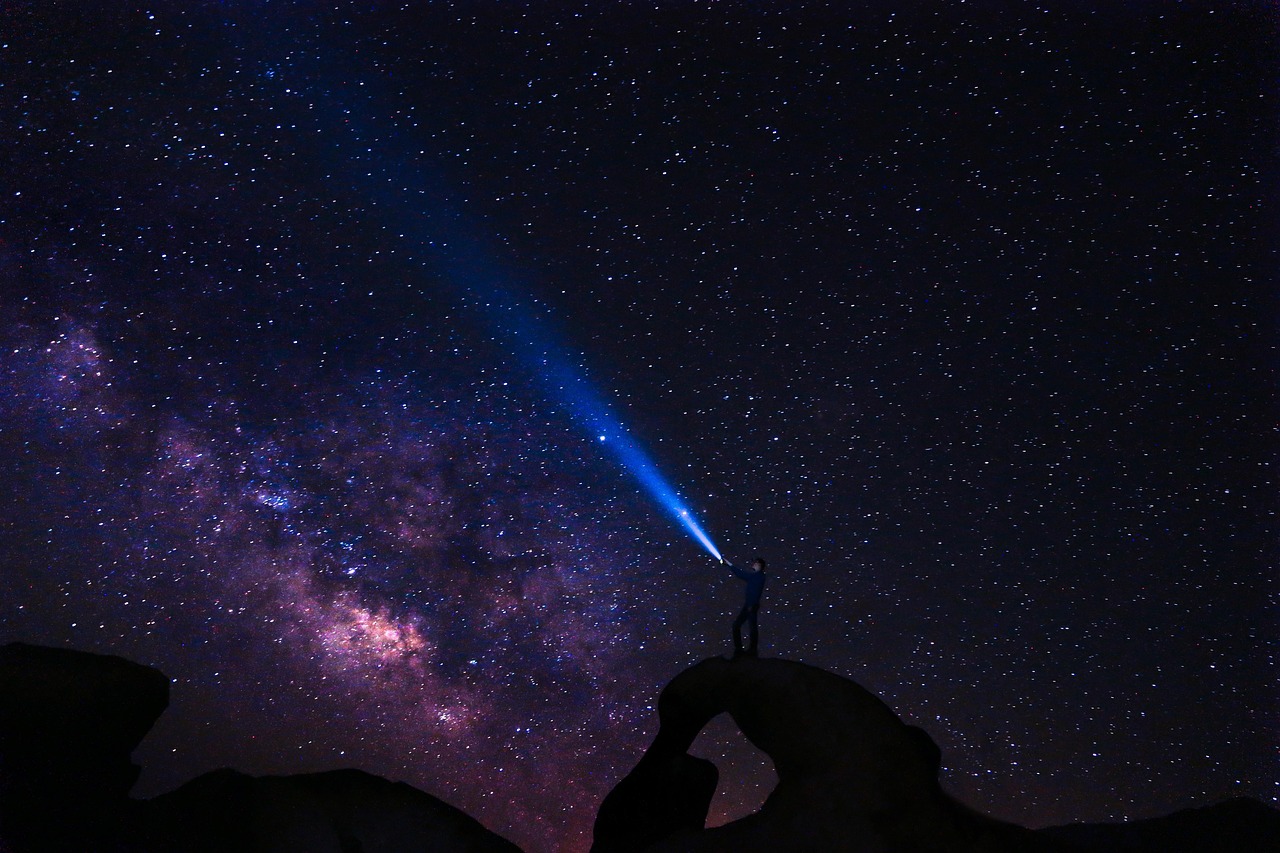
Your Personal Astronomical Legacy
Years from now, your accumulated star chart session logs will tell the story of your astronomical journey in remarkable detail. They’ll show how you progressed from tentative first observations to confident, skilled stargazing. They’ll document memorable nights when seeing conditions were perfect and objects you’d pursued for months finally revealed themselves.
These records become more than just data—they’re a personal astronomical legacy, a tangible manifestation of countless hours spent under dark skies pursuing cosmic wonder. Whether you eventually pass them to family members who share your interest or simply keep them as a private chronicle of your passion, well-maintained observation logs enrich your stargazing practice immeasurably.
Start your logging practice tonight. Grab a simple template or create one tailored to your interests, head outside, and document whatever celestial wonders present themselves. Your future self will thank you for preserving these moments, and you’ll discover that the act of careful observation and documentation deepens your connection to the cosmos in ways you never anticipated. The stars are waiting—track them, document them, and let your astronomical adventures begin! ✨