
The night sky holds endless wonders waiting to be discovered. With proper planning and organization, your stargazing sessions can transform from casual observations into systematic astronomical adventures that deepen your understanding of the cosmos.

Whether you’re a beginner just starting your journey into astronomy or an experienced observer looking to refine your approach, having a structured observation checklist can make all the difference. These templates serve as your roadmap through the celestial landscape, ensuring you never miss important details and can track your progress over time.
🌟 Why Every Stargazer Needs an Observation Checklist
Observation checklists aren’t just organizational tools—they’re essential companions for serious astronomical exploration. When you step outside under the stars, the sheer number of visible objects can be overwhelming. Without a systematic approach, you might find yourself jumping randomly between targets, forgetting important details, or missing seasonal objects altogether.
A well-designed deep-sky observation checklist helps you prioritize targets based on visibility, season, and your equipment capabilities. It serves as both a planning tool before your session and a record-keeping system for documenting what you’ve observed. Over time, these records become invaluable references that show your progression as an astronomer.
Professional astronomers and dedicated amateurs alike rely on structured observation protocols. The difference between a casual glance at the sky and meaningful astronomical observation often comes down to preparation and documentation. Your checklist becomes a bridge between spontaneous stargazing and scientific methodology.
Essential Elements of Effective Deep-Sky Checklists
Creating or selecting the right observation template requires understanding what information truly matters during your stargazing sessions. The most effective checklists balance comprehensiveness with usability—they capture crucial data without becoming burdensome to complete in the dark.
Target Object Information
Your checklist should prominently feature the object designation, including both catalog numbers and common names. Messier objects, NGC entries, and IC catalog numbers should all be clearly listed. Including right ascension and declination coordinates ensures you can locate objects precisely, especially when using computerized mounts or star-hopping techniques.
Object type classification helps set appropriate expectations. Knowing whether you’re observing a globular cluster, planetary nebula, spiral galaxy, or open cluster influences what details you’ll look for and what magnification works best. Apparent magnitude and angular size provide realistic assessments of visibility under your specific sky conditions.
Observation Conditions Documentation
Environmental factors dramatically affect what you can see through your telescope. Your checklist should include spaces for recording seeing conditions, transparency, light pollution levels, moon phase, and weather conditions. Many observers use the Bortle scale for quantifying light pollution and the Pickering scale for atmospheric seeing.
Temperature and humidity matter more than casual observers might realize. These factors affect both equipment performance and atmospheric clarity. Recording wind conditions helps explain why certain observations were challenging or why your telescope’s tracking seemed compromised.
Equipment Configuration Details
Documenting which telescope, eyepieces, filters, and accessories you used for each observation creates valuable data for future sessions. You’ll learn which equipment combinations work best for specific object types. Recording magnification, field of view, and any filters applied helps replicate successful observations and troubleshoot disappointing ones.
For astrophotographers, exposure settings, ISO values, and imaging equipment specifications become critical checklist components. Even visual observers benefit from noting when they used nebula filters, light pollution reduction filters, or specific eyepiece designs.
📋 Template Categories for Different Observation Goals
Not all stargazing sessions have identical objectives. Customizing your checklist template to match your specific astronomical goals increases its usefulness and keeps you focused during observation sessions.
Messier Marathon Checklists
The Messier catalog contains 110 deep-sky objects specifically selected for amateur observation. A Messier marathon checklist organizes these objects by optimal viewing order, typically following a path across the sky that maximizes efficiency during a single night. These templates usually sort objects by right ascension and indicate which are most challenging to observe.
Seasonal Messier checklists break the catalog into spring, summer, fall, and winter observing lists, making the marathon more manageable over several sessions. Many observers find completing the entire Messier catalog to be a meaningful milestone in their astronomical journey.
Constellation-Based Observation Templates
Organizing your observations by constellation provides geographical structure to your sky exploration. These checklists group deep-sky objects within specific constellations, making them ideal for systematic sky surveys. As you master each constellation, you develop better sky navigation skills and build spatial memory of celestial positions.
Constellation templates work particularly well for beginners still learning to navigate the night sky. They naturally encourage star-hopping techniques and help develop the pattern recognition skills essential for independent telescope operation.
Object-Type Specific Checklists
Dedicated templates focusing exclusively on galaxies, nebulae, or star clusters allow specialized observation techniques. Galaxy checklists might emphasize spiral arm details, dust lanes, and companion galaxies. Nebula templates prioritize structure, nebulosity extent, and filter effectiveness. Cluster checklists focus on star counts, color contrasts, and central condensation.
These specialized templates help develop expertise in observing particular object categories. The questions and details they prompt you to notice train your eye to detect subtle features that generalized checklists might overlook.
Astrophotography Planning Sheets
Astrophotography requires additional planning layers beyond visual observation. These templates include imaging session details like total integration time, number of exposures, calibration frame information, and processing notes. They also track technical issues, light frames quality, and conditions that affected image acquisition.
Planning sections help schedule imaging sessions around moon phases, object transit times, and optimal atmospheric conditions. Post-processing notes create valuable references for developing consistent workflow techniques.
🔭 Digital vs. Paper Checklists: Finding Your Perfect Format
The eternal debate between digital and paper observation logs has passionate advocates on both sides. Each format offers distinct advantages depending on your observing style, equipment setup, and personal preferences.
Advantages of Paper-Based Templates
Traditional paper checklists never run out of battery power, don’t emit screen light that ruins dark adaptation, and work flawlessly in cold conditions that incapacitate touchscreens. Many observers find that physically writing observations creates stronger memories and deeper engagement with their subjects.
Paper forms don’t require learning new software or worrying about device compatibility. A clipboard, red-light flashlight, and printed checklist form a reliable system that works anywhere. Physical logs also create tangible artifacts that many observers treasure as records of their astronomical journey.
Digital Template Benefits
Smartphone apps and tablet-based observation logs offer searchability, automatic coordinate calculations, and integration with planetarium software. Digital templates can auto-populate object data, suggest optimal viewing times, and even sync with telescope control systems. Cloud backup ensures your observation records never get lost or damaged.
Digital formats enable easy sharing with astronomy communities, statistical analysis of your observing patterns, and seamless incorporation of photographs alongside notes. Many astronomy apps include social features that connect you with other observers tracking similar objects.
Hybrid Approaches
Many experienced observers combine both methods, using paper checklists in the field for immediate note-taking, then transferring observations to digital databases for long-term storage and analysis. This hybrid approach captures the benefits of both formats while minimizing their respective limitations.
Some observers maintain master databases digitally while generating printed checklists for specific observing sessions. This workflow allows advanced planning and research using digital tools while maintaining the field advantages of paper forms.
Customizing Templates for Your Observation Style
Generic templates provide excellent starting points, but personalization transforms them into truly effective tools. Your unique equipment, observing location, experience level, and astronomical interests should all influence how you structure your checklists.
Beginners might include more educational content directly on templates—constellation diagrams, magnitude comparison charts, or equipment setup reminders. Experienced observers streamline their forms to capture only the most relevant data points they’ve learned matter most through years of observation.
Consider your physical observation setup when designing templates. If you observe while standing at your telescope, larger fonts and simplified layouts work better than dense, detailed forms. Seated observers using tables or observation chairs can manage more complex templates with finer details.
Color-coding sections helps rapid information location under red-light illumination. Some observers use different colored papers for different template types or seasons. Waterproof paper and all-weather pens prove invaluable for those who observe in humid climates or dew-prone conditions.
🌌 Building Progressive Observation Campaigns
The most satisfying astronomical pursuits often involve long-term observation campaigns that span months or years. Well-designed checklists transform random observing sessions into coherent projects with measurable progress and clear accomplishments.
Challenge Lists and Observation Programs
Formal observation programs like the Astronomical League’s various observing awards provide structured frameworks with accompanying checklists. These programs challenge observers to systematically explore specific object categories, constellation families, or observational techniques. Completing these programs often requires dozens or hundreds of observations, providing years of guided exploration.
Creating personal challenge lists based on your specific interests—brightest galaxies, most spectacular open clusters, or challenging planetary nebulae—gives your observing sessions purpose and direction. Progressive difficulty levels maintain engagement as your skills develop.
Seasonal Observing Projects
Designing checklists around seasonal visibility ensures you maximize each observing window. Spring galaxy season, summer Milky Way deep-sky treasures, autumn’s distant galaxy clusters, and winter’s brilliant nebulae each deserve dedicated templates that prioritize their most spectacular targets.
Returning to the same objects across multiple seasons with updated checklists documents how your observing skills improve. Comparing notes from different years reveals patterns in atmospheric conditions and equipment performance you might otherwise miss.
Technology Integration for Modern Stargazers
Contemporary astronomy increasingly blends traditional observation techniques with digital assistance. Modern checklists can leverage technology without sacrificing the personal connection that makes stargazing meaningful.
Planetarium software can generate custom observing lists based on your location, time, and equipment specifications. These programs output printable checklists or export data to mobile astronomy apps. Integration with computerized telescope mounts enables one-click navigation to checklist objects, dramatically increasing the number of targets you can observe during a session.
Weather forecasting apps specifically designed for astronomers help schedule observing sessions when your checklist targets align with optimal atmospheric conditions. Satellite transparency predictions, cloud cover forecasts, and seeing condition estimates maximize your chances of successful observations.
Voice recording features on smartphones allow hands-free observation notes without fumbling with pens and paper in darkness. Some observers dictate impressions immediately after viewing each object, then transcribe highlights to their formal checklists later.
📊 Analyzing Your Observation Data Over Time
Completed checklists represent more than just observing records—they’re datasets revealing your development as an astronomer. Reviewing accumulated observations uncovers patterns, preferences, and progress that inform future stargazing strategies.
Tracking which object types you observe most frequently reveals your natural astronomical interests. Perhaps you’re drawn to compact, high-surface-brightness planetaries rather than sprawling diffuse nebulae. Recognizing these preferences helps you seek out similar objects and develop specialized expertise.
Statistical analysis of observation conditions associated with your best viewing experiences identifies the environmental factors that most affect your success. You might discover that moderate seeing with excellent transparency serves you better than perfect seeing with marginal transparency, or that early evening observations consistently outperform late-night sessions despite conventional wisdom.
Comparing observations of the same objects with different equipment combinations creates invaluable reference data. Your accumulated checklists become personalized equipment guides showing exactly which telescope-eyepiece combinations work best for specific object types under your typical sky conditions.
Sharing and Community Engagement
While astronomy can be a solitary pursuit, sharing your observation checklists and completed records connects you with broader communities of enthusiasts. Many astronomy clubs organize group observing sessions around shared checklists, with members collaborating to spot challenging objects and compare viewing impressions.
Online astronomy forums frequently feature “what did you see this week” threads where observers share their checklist completions. These interactions expose you to different observation techniques, equipment recommendations, and target suggestions you might not have discovered independently.
Contributing your checklist designs and observation templates to the amateur astronomy community helps newcomers while refining your own organizational systems through feedback. Many of astronomy’s most popular observation programs and challenge lists originated as individual observer projects that gained community adoption.
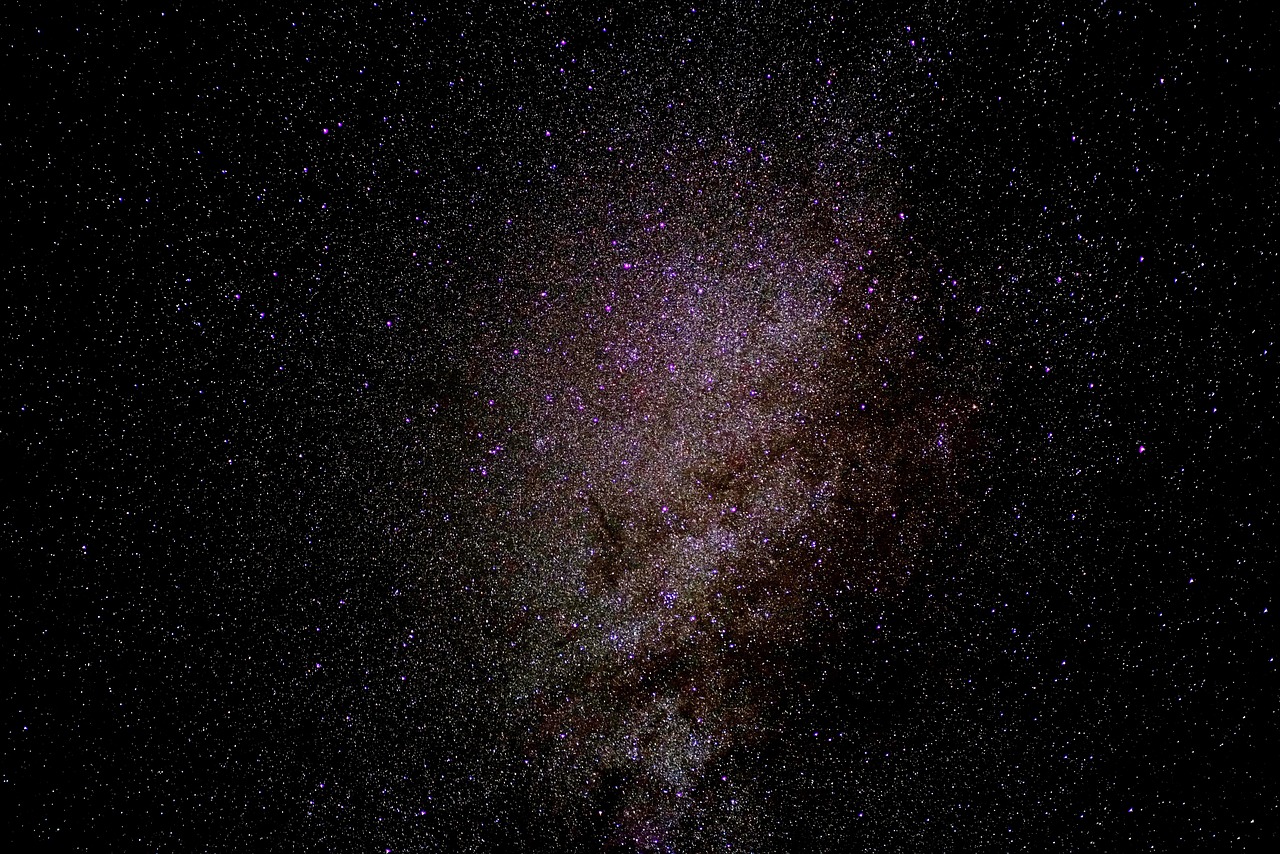
✨ Transform Random Stargazing Into Purposeful Exploration
The transition from casual sky watching to systematic deep-sky observation represents a meaningful evolution in your astronomical journey. Checklists provide structure without restricting spontaneity—they’re frameworks supporting exploration rather than rigid requirements limiting it.
Starting with simple templates and gradually increasing complexity as your experience grows creates sustainable observation habits. Don’t let perfect become the enemy of good; an imperfect checklist you actually use vastly outperforms an idealized template that remains unused because it feels too complicated or demanding.
Remember that checklists serve you, not the other way around. If a particular template feels burdensome or detracts from your enjoyment of observing, modify it without hesitation. The goal is enhancing your connection with the cosmos, not creating administrative overhead that interferes with the wonder that drew you to astronomy initially.
Your observation checklists will evolve alongside your astronomical growth. The templates you create today will look different from those you design in five years, reflecting your developing expertise, changing interests, and expanding capabilities. Embrace this evolution as evidence of your progression through this endlessly fascinating pursuit.
Under clear skies with a well-planned checklist in hand, you’re equipped to maximize every observing opportunity. Each checkmark represents not just an object viewed, but a deeper understanding of our universe and your place within it. The cosmos awaits your systematic exploration—armed with the right templates, there’s no limit to what you’ll discover.