There’s something magical about looking up at the night sky with your loved ones, discovering constellations, and watching meteors streak across the darkness together.

Family stargazing creates memories that last a lifetime while sparking curiosity about our universe in children and adults alike. Whether you’re complete beginners or have some astronomy experience, having the right equipment transforms casual sky-watching into extraordinary adventures that bring your family closer while exploring the cosmos. This comprehensive guide will help you select the perfect stargazing gear that suits your family’s needs, budget, and experience level, ensuring countless nights of wonder under the stars.
🔭 Choosing Your First Family Telescope: What Really Matters
Selecting a telescope can feel overwhelming with countless options available, but family-friendly stargazing doesn’t require breaking the bank or purchasing professional-grade equipment. The key is finding a balance between quality optics, ease of use, and durability that can withstand enthusiastic young astronomers.
For families just starting their stargazing journey, a refractor telescope with an aperture between 70mm and 90mm offers an excellent entry point. These telescopes are relatively lightweight, require minimal maintenance, and provide crisp views of the Moon, planets, and brighter deep-sky objects. Their sealed tubes protect the optics from dust and moisture, making them ideal for families who might not always remember to cover equipment properly.
Reflector telescopes, particularly Dobsonian models, present another fantastic family option. These telescopes offer larger apertures at more affordable prices, gathering more light to reveal fainter celestial objects. The simple alt-azimuth mount makes them intuitive to operate—even children can quickly learn to point and track objects across the sky. The larger viewing area means less squinting and easier observation for younger family members.
Key Features for Family-Friendly Telescopes
When shopping for your family telescope, prioritize these essential features that make the difference between frustrating nights and successful stargazing sessions:
- Stable mount: A wobbly telescope frustrates everyone, especially children. Test the mount’s stability before purchasing.
- Easy setup: Look for telescopes that assemble in under 15 minutes without tools.
- Multiple eyepieces: Different magnifications let you observe various celestial objects effectively.
- Finder scope: A quality finder scope or red dot sight helps locate objects quickly, preventing discouragement.
- Reasonable weight: If nobody can carry it outside, it won’t get used. Consider portability carefully.
🌟 Binoculars: Your Secret Weapon for Stellar Family Experiences
Before investing in a telescope, consider starting with quality astronomy binoculars. Many experienced stargazers actually prefer binoculars for casual observation because they offer wide fields of view, show objects right-side-up, and work for both astronomy and daytime nature watching.
For family stargazing, binoculars rated 7×50 or 10×50 provide excellent performance. The first number indicates magnification, while the second represents the diameter of the front lenses in millimeters. These specifications deliver bright images with manageable magnification that doesn’t amplify every hand tremor, making them perfect for children and adults alike.
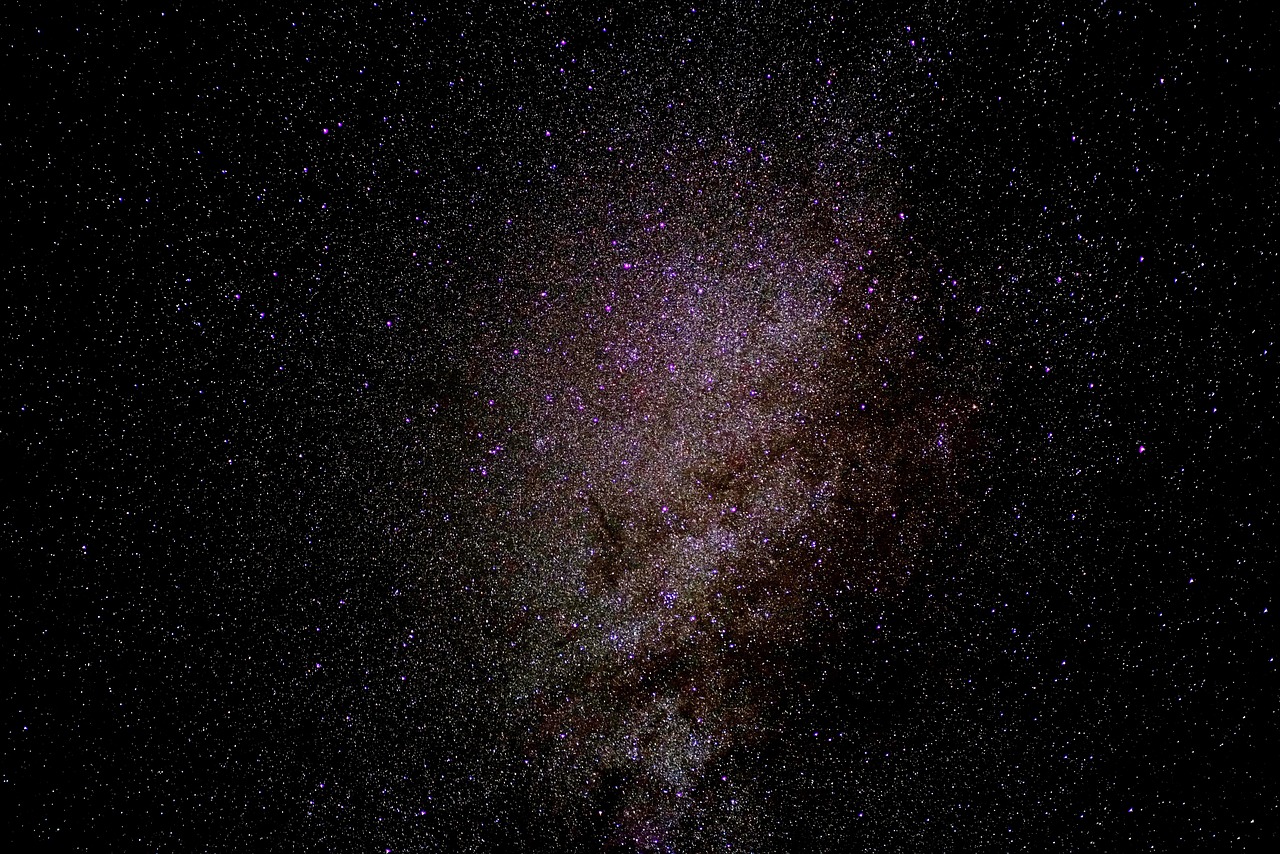
Binoculars reveal the Moon’s craters in stunning detail, show Jupiter’s four largest moons, resolve the Pleiades star cluster into dozens of individual stars, and bring the Milky Way to life with countless stars invisible to the naked eye. They’re also considerably more affordable than telescopes, making them a smart first investment for families testing their astronomy interest.
Making Binoculars Even Better for Family Use
Enhance your binocular stargazing experience with a simple binocular tripod adapter. These inexpensive accessories eliminate arm fatigue during extended viewing sessions and steady the image significantly. Many families find that children engage more deeply when binoculars are mounted, as the stable view helps them understand what they’re observing.
📱 Stargazing Apps That Transform Your Smartphone into a Planetarium
Modern technology has revolutionized amateur astronomy, putting powerful planetarium software in your pocket. Stargazing apps help families identify constellations, locate planets, predict meteor showers, and learn fascinating facts about celestial objects in real-time.
SkySafari stands out as one of the most comprehensive astronomy apps available, offering detailed information on hundreds of thousands of celestial objects. The app’s augmented reality mode lets you hold your phone toward the sky and instantly identify what you’re seeing. The intuitive interface works perfectly for families, with adjustable detail levels that grow with your knowledge.
Star Walk 2 offers another excellent option with beautiful graphics that captivate children’s attention. The app includes time-travel features that show how the sky looked in the past or will appear in the future, making astronomy lessons come alive. The augmented reality star map responds to your phone’s movements, creating an interactive learning experience that feels like magic to young stargazers.
NASA’s app provides direct access to the agency’s vast collection of images, videos, and information about missions and discoveries. While not a sky map, it enriches your stargazing by connecting what you observe to actual space exploration, inspiring children who dream of becoming astronauts or scientists.
🔦 Red Light Flashlights: Preserving Your Night Vision
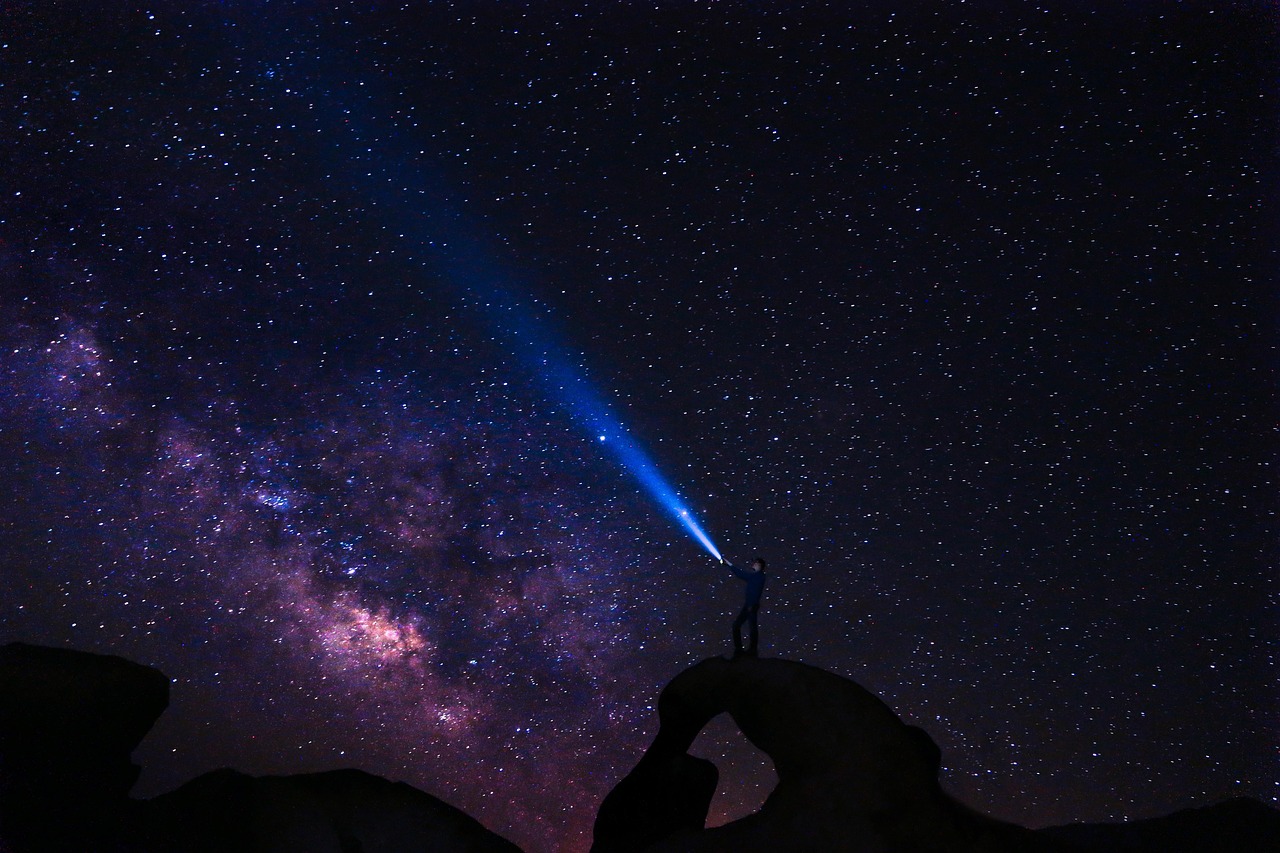
One often-overlooked piece of essential stargazing gear is a red light flashlight or headlamp. Normal white light destroys your eyes’ adaptation to darkness, requiring 20-30 minutes to recover full night vision. Red light preserves this adaptation, letting you read star charts, adjust equipment, and navigate safely without compromising your ability to see faint stars.
Headlamps with red light settings work particularly well for families because they keep hands free for managing telescopes, binoculars, and notebooks. Look for models with adjustable brightness—dimmer settings work best for astronomy, while brighter modes help with setup and cleanup tasks.
Many families create simple DIY red flashlights by covering regular flashlights with red cellophane secured with rubber bands. While not as convenient as purpose-built astronomy lights, this budget-friendly solution works perfectly well and makes a fun craft project before your stargazing adventure.
☕ Comfort Gear That Extends Your Stargazing Sessions
The difference between a brief glance at the sky and hours of meaningful family stargazing often comes down to comfort. When everyone’s warm, comfortable, and has a good view, the experience becomes truly memorable rather than something to endure.
Seating Solutions for Sky Watching
Zero-gravity reclining chairs or adjustable lawn chairs with headrests let everyone observe comfortably without neck strain. These chairs tilt back far enough to view overhead objects while providing proper support. Some families prefer blankets or sleeping bags on the ground, which works wonderfully for wide-field constellation watching but makes telescope viewing more challenging.
For younger children, consider inflatable loungers that pack down small but provide comfortable viewing positions. Their lightweight nature means kids can reposition them independently to follow objects across the sky.
Staying Warm Under the Stars
Even summer nights grow surprisingly cold after the sun sets, and cool temperatures end stargazing sessions prematurely. Dress in layers, bringing extra blankets, jackets, and warm beverages in thermoses. Remember that sitting still for extended periods feels much colder than daytime activities, so prepare for temperatures 15-20 degrees cooler than expected.
Hand warmers tucked into pockets or gloves keep fingers nimble for adjusting equipment. Battery-powered heated blankets or throws provide cozy warmth without light pollution from campfires, though check their brightness settings—some emit surprising amounts of light that interfere with night vision.
📚 Star Charts and Astronomy Books for Learning Together
While apps provide instant information, physical star charts and astronomy books offer tactile learning experiences that many families find more engaging, especially for children. Planispheres—rotating star charts that show which constellations are visible at any time and date—teach kids how the sky changes throughout the year without requiring batteries or screens.
The “NightWatch” by Terence Dickinson remains the gold standard for beginner astronomy books, combining clear explanations with practical observing advice perfect for families. Its wire spiral binding lets it lay flat in dim red light, and the content grows with your family’s knowledge from complete beginner to intermediate observer.
Keep an astronomy journal where family members can sketch observations, record what they’ve seen, and note questions for later research. This documentation creates a meaningful record of your stargazing journey while encouraging observation skills and scientific thinking. Children especially enjoy reviewing past entries and seeing how their understanding has grown.
🌙 Planning Successful Family Stargazing Adventures
Great equipment means little without proper planning. Successful stargazing nights require considering moon phases, weather conditions, light pollution, and choosing age-appropriate targets that maintain everyone’s interest.
Moon Phase Matters More Than You Think
The Moon itself offers spectacular viewing, with craters and mountains clearly visible even in small telescopes. However, bright moonlight washes out fainter stars, nebulae, and galaxies. Plan deep-sky observing sessions during new moon periods when skies are darkest, while saving Moon and planet viewing for nights when our natural satellite dominates the sky.
Many families find that starting with Moon observation builds excitement and confidence before tackling more challenging targets. The Moon’s features change dramatically depending on lighting angles, so the same lunar landscape reveals new details throughout the month.
Escaping Light Pollution
Light pollution from cities dramatically reduces visible stars. While you can observe the Moon, planets, and brightest stars from urban locations, truly spectacular stargazing requires darker skies. Use light pollution maps to find suitable locations within reasonable driving distance.
State parks, national forests, and designated dark sky sites offer excellent stargazing conditions. Some locations even host regular astronomy events where families can learn from experienced observers and try different equipment before making purchase decisions.
🎯 Age-Appropriate Celestial Targets for Every Family Member
Starting with easy, impressive targets builds enthusiasm and confidence for the whole family. Save challenging faint galaxies for later when everyone has developed observing skills and patience.
The Moon should always be your first target—its craters, maria, and mountains provide endless fascination while teaching basic telescope operation. Jupiter and Saturn rank as second favorites, with Jupiter’s cloud bands and four largest moons visible in any telescope, while Saturn’s rings appear even in small instruments, creating genuine “wow” moments.
Among deep-sky objects, start with the Orion Nebula (visible winter through spring), the Pleiades star cluster (visible fall through spring), and the Andromeda Galaxy (visible fall through winter). These objects appear bright enough to impress in light-polluted skies while challenging enough to feel like genuine discoveries.
Meteor showers provide spectacular naked-eye events requiring no equipment beyond blankets and warm clothing. Major showers like the Perseids in August and Geminids in December produce dozens of visible meteors per hour during peak times, creating natural fireworks displays that captivate children and adults equally.
🛠️ Essential Accessories That Complete Your Stargazing Kit
Beyond the main optical equipment, several accessories significantly enhance family stargazing experiences. A quality dew shield prevents moisture from condensing on telescope optics during humid nights, while lens cleaning supplies keep everything operating at peak performance.
Additional eyepieces expand your telescope’s versatility, though resist buying too many initially. A good low-power eyepiece (providing wide views) and a medium-power eyepiece handle most observing needs for beginners. As your experience grows, you can add specialized eyepieces for specific purposes.
Colored filters enhance planetary viewing by increasing contrast in specific atmospheric features. A moon filter reduces the Moon’s brightness, revealing more detail without overwhelming your eyes. These relatively inexpensive accessories noticeably improve observations once you’ve mastered basic techniques.
💫 Building Lasting Memories and Future Astronomers
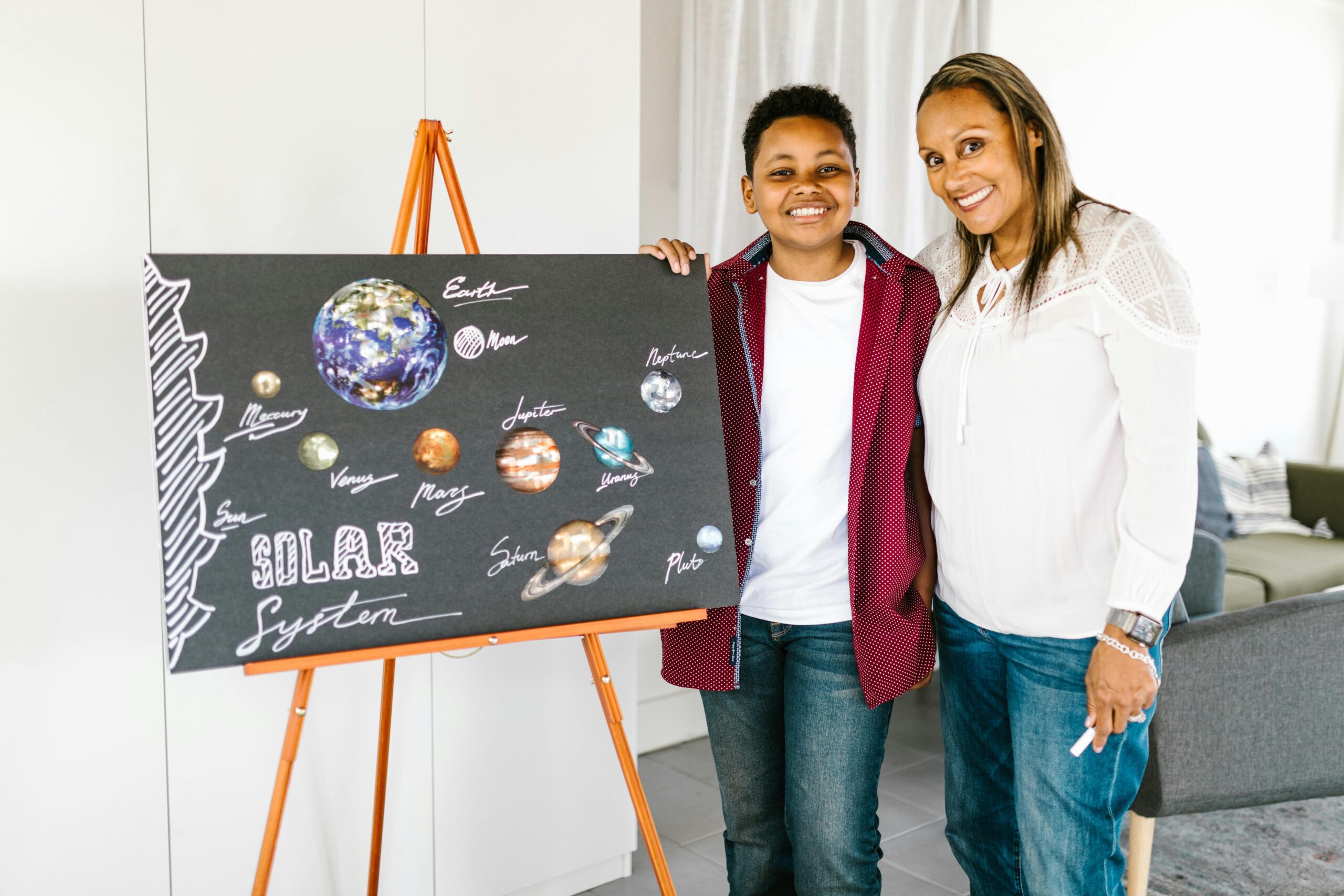
The ultimate value of family stargazing extends far beyond the equipment itself. These shared experiences create bonds through common wonder while teaching patience, scientific thinking, and appreciation for our place in the universe. Children who stargazed with parents often remember these nights decades later as formative experiences that shaped their interests and values.
Start small with modest equipment that matches your family’s commitment level. Many families discover that inexpensive binoculars and a good planisphere provide years of enjoyment before upgrading to telescopes. Others find that their children’s intense interest justifies more substantial initial investments.
The key to successful family stargazing lies not in having the most expensive equipment but in regular practice, maintaining enthusiasm during cloudy periods, and celebrating each new discovery together. Keep sessions fun rather than overly educational—learning happens naturally when curiosity is sparked by genuine wonder at the cosmos above.
As your family develops stargazing skills and knowledge, consider joining local astronomy clubs. These organizations offer expert guidance, equipment to try, group observing sessions, and communities of fellow sky enthusiasts who share your passion. Many clubs especially welcome families and organize youth-focused events.
The night sky has inspired humanity throughout history, and now your family can join this timeless tradition. With the right gear, some planning, and clear skies, you’re ready to embark on astronomical adventures that will illuminate your understanding of the universe while creating treasured memories under the stars. Every photon that traveled millions or billions of years through space to reach your eyes connects you to the cosmic story—a perspective that transforms how we see our world and ourselves.