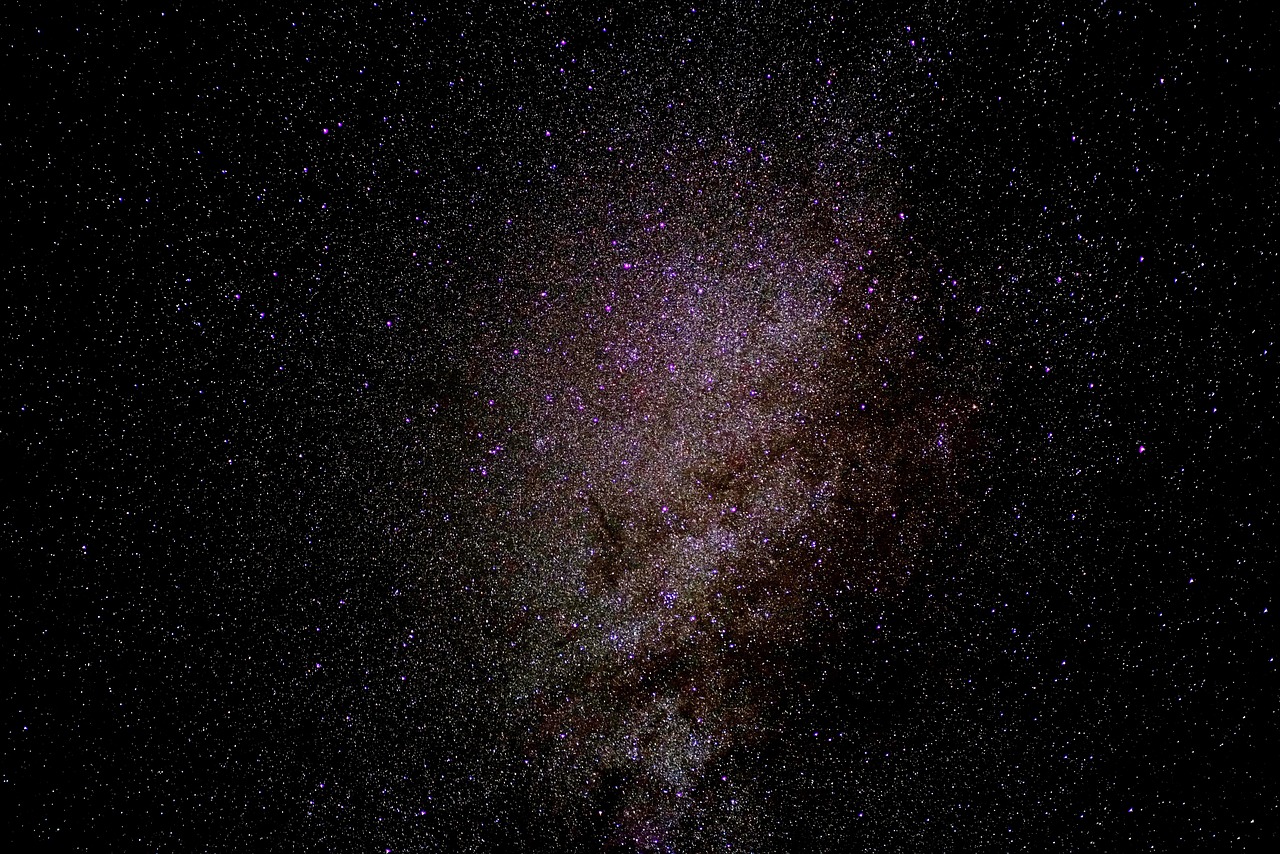
The night sky holds countless wonders waiting to be discovered, and binoculars offer the perfect entry point for aspiring astronomers. Whether you’re drawn to lunar craters, distant galaxies, or sparkling star clusters, the right equipment transforms casual stargazing into an unforgettable cosmic journey.

Choosing your first binocular astronomy kit can feel overwhelming with countless options flooding the market. This comprehensive guide cuts through the confusion, helping you understand what truly matters when selecting binoculars for celestial observation and ensuring your investment delivers years of astronomical adventures.
🔭 Why Binoculars Beat Telescopes for Beginners
Many newcomers assume telescopes represent the only serious option for astronomy, but binoculars offer distinct advantages that make them ideal starter instruments. Understanding these benefits helps you appreciate why seasoned astronomers often keep quality binoculars alongside their telescopes.
Binoculars provide instant gratification with zero setup time. Unlike telescopes requiring assembly, alignment, and adjustment, binoculars let you point and observe within seconds. This spontaneity encourages frequent observation sessions, building your familiarity with the night sky naturally over time.
The wide field of view binoculars provide makes locating celestial objects significantly easier. Telescopes magnify small areas intensely, making objects difficult to find without experience. Binoculars show larger sky sections, helping you navigate constellations and locate targets using naked-eye reference points.
Portability represents another crucial advantage. Quality astronomy binoculars weigh just pounds compared to bulky telescope setups. You can easily transport them to dark sky locations, take them traveling, or simply store them conveniently when not in use.
Understanding Binocular Specifications That Matter
Binocular specifications appear as two numbers separated by an “x” symbol, such as 10×50 or 7×35. These figures directly impact your astronomical viewing experience, making them essential to understand before purchasing.
The first number indicates magnification power. A 10x binocular makes objects appear ten times closer than they do to your naked eye. While higher magnification sounds appealing, it comes with significant tradeoffs including narrower fields of view, dimmer images, and increased hand shake visibility.
The second number represents the objective lens diameter in millimeters. These front lenses gather light, with larger diameters collecting more photons and producing brighter images. This specification proves particularly important for astronomy since celestial objects emit limited light reaching Earth.
The Exit Pupil Factor ✨
Exit pupil, calculated by dividing objective diameter by magnification, determines how much light reaches your eyes. A 10×50 binocular has a 5mm exit pupil (50÷10=5). Human pupils dilate to approximately 7mm in darkness, so exit pupils between 5-7mm optimize astronomical viewing.
Binoculars with exit pupils smaller than 4mm appear dim when observing faint celestial objects. Conversely, exit pupils exceeding 7mm waste light since your pupils cannot dilate beyond their maximum diameter, making those extra millimeters irrelevant.
Best Magnification Ranges for Astronomy Beginners
Selecting appropriate magnification balances image stability, brightness, field of view, and detail visibility. For handheld astronomical observation, specific magnification ranges deliver optimal results without requiring tripod support.
Seven to ten power (7x-10x) represents the sweet spot for beginner astronomy binoculars. This range provides sufficient magnification to reveal lunar craters, Jupiter’s moons, and star clusters while maintaining stable handheld viewing and reasonably bright images.
Binoculars rated 12x or higher typically require tripod mounting for steady viewing. Hand tremors become magnified alongside celestial objects, creating frustrating jittery images that detract from the observing experience. Unless you plan tripod usage from the start, avoid higher magnifications.
Lower magnifications like 6x or 7x excel for scanning the Milky Way, observing large nebulae, and learning constellation patterns. Their exceptionally wide fields of view and bright images make them perfect complements to higher magnification instruments.
Ideal Objective Lens Sizes for Stargazing
Objective lens diameter dramatically affects astronomical performance, but bigger doesn’t automatically mean better. Balancing light gathering capability with weight and portability ensures comfortable extended observing sessions.
Fifty millimeter objectives (50mm) represent the gold standard for astronomy binoculars. They gather substantial light for viewing faint objects while maintaining reasonable weight for handheld use. The popular 10×50 configuration offers excellent versatility across various celestial targets.
Larger apertures like 60mm, 70mm, or even 80mm collect additional light, revealing fainter stars and nebulae. However, these binoculars become substantially heavier, often requiring tripod support. Consider whether the performance gains justify the reduced portability for your observing style.
Smaller objectives around 35mm-42mm create lightweight, ultra-portable options perfect for travel or casual observation. While they cannot match larger apertures for faint object visibility, they still reveal impressive celestial sights and encourage frequent use through convenience.
🌟 Essential Optical Quality Considerations
Beyond basic specifications, optical quality separates exceptional binoculars from mediocre ones. Understanding these factors prevents disappointment and ensures your investment delivers sharp, contrasty views worth the price paid.
Prism Systems: Porro vs Roof
Binoculars employ either Porro prisms or roof prisms for image orientation. Porro prism designs feature offset objective lenses creating a traditional binocular shape. They typically provide better image quality and cost less than equivalent roof prism models.
Roof prism binoculars align objectives directly with eyepieces, creating streamlined, straight-barrel designs. They’re more compact and durable but require precision manufacturing, making quality roof prism binoculars more expensive than comparable Porro designs.
For astronomy on budget-conscious purchases, Porro prism binoculars often deliver superior optical performance per dollar spent. Their three-dimensional image quality particularly benefits lunar and planetary observation.
Lens Coatings and Light Transmission
Optical coatings significantly impact image brightness, contrast, and color fidelity. Understanding coating terminology helps identify binoculars offering optimal light transmission for astronomical viewing.
- Coated: Single layer on some lens surfaces – minimal benefit, avoid for astronomy
- Fully Coated: Single layer on all air-to-glass surfaces – basic improvement
- Multi-Coated: Multiple layers on some surfaces – moderate performance
- Fully Multi-Coated: Multiple layers on all surfaces – optimal light transmission and contrast
Fully multi-coated optics represent the minimum standard for serious astronomy binoculars. These advanced coatings transmit over 90% of incoming light, maximizing brightness when observing dim celestial objects.
Glass Quality: BaK-4 vs BK-7 Prisms
Prism glass quality affects image sharpness and light transmission. Two primary glass types dominate binocular manufacturing, each with distinct characteristics impacting astronomical performance.
BaK-4 (barium crown) glass represents premium prism material, offering higher refractive index and better light transmission than alternatives. BaK-4 prisms produce round, bright exit pupils without light loss at image edges, delivering superior overall image quality.
BK-7 (borosilicate) glass costs less but exhibits slightly lower optical performance. BK-7 prisms sometimes show square-shaped exit pupils and minor edge dimming. For astronomy where every photon counts, investing in BaK-4 glass pays dividends through noticeably better views.
Recommended Binocular Configurations for Astronomy Starters
Certain binocular specifications have proven themselves repeatedly as ideal astronomy configurations. These time-tested combinations balance performance, usability, and value effectively for beginners.
| Configuration | Best For | Advantages | Considerations |
|---|---|---|---|
| 7×50 | Wide-field viewing, Milky Way scanning | Very bright images, stable handheld, wide FOV | Lower magnification limits detail |
| 10×50 | All-around astronomy | Great balance of magnification and brightness | Slightly heavier, minor shake visible |
| 8×42 | Portable stargazing, travel | Lightweight, easy handling, adequate aperture | Less light gathering than 50mm |
| 15×70 | Deep-sky objects with tripod | High magnification, excellent light gathering | Requires tripod, heavy, narrower FOV |
The 10×50 configuration consistently ranks as the most recommended starter astronomy binocular. This versatile combination reveals lunar details, resolves double stars, shows Jupiter’s Galilean moons, and captures star clusters beautifully while remaining manageable for handheld viewing.
🎯 Must-Have Features Beyond Basic Specs
Several practical features significantly enhance astronomical observing comfort and convenience. Prioritizing these characteristics ensures your binoculars remain pleasurable to use during lengthy observation sessions.
Interpupillary Distance and Eye Relief
Interpupillary distance (IPD) adjustment accommodates varying spacing between individual eyes. Quality binoculars adjust smoothly across wide ranges (typically 56-74mm) to fit different users comfortably. Test this adjustment if possible before purchasing.
Eye relief measures the distance your eyes can sit from eyepieces while seeing the complete field of view. Adequate eye relief (15mm minimum) proves essential for eyeglass wearers and enhances comfort for all observers during extended viewing sessions.
Tripod Adaptability
Most astronomy binoculars include threaded sockets accepting standard tripod adapters. This feature becomes increasingly important with larger, heavier models or when observing for extended periods. Verify tripod compatibility before purchasing, especially for binoculars exceeding 10x magnification.
Dedicated binocular tripod adapters or parallelogram mounts dramatically improve observing comfort. These accessories maintain proper angles while supporting binocular weight, eliminating arm fatigue and enabling steady, relaxed viewing of celestial objects.
Budget Considerations: Finding Value Without Compromising Quality
Astronomy binoculars span enormous price ranges from under fifty dollars to several thousand. Understanding where to invest and where compromises prove acceptable helps maximize value within your budget constraints.
Entry-level astronomy binoculars in the $100-200 range from reputable manufacturers often deliver surprisingly capable performance. Brands like Celestron, Orion, and Bushnell offer models with fully multi-coated optics and BaK-4 prisms at accessible prices.
Mid-range options ($200-500) provide noticeable optical improvements including better edge sharpness, superior color correction, and enhanced build quality. These binoculars represent excellent long-term investments for committed amateur astronomers.
Premium binoculars exceeding $500 offer exceptional optical refinement, but diminishing returns become apparent. Unless you’re certain about long-term commitment to astronomy, mid-range models provide better value for most beginners.
Common Budget Traps to Avoid 💰
Extremely cheap binoculars advertised with impressive specifications rarely deliver acceptable astronomical performance. Poor optical coatings, low-quality glass, and inadequate quality control create frustrating experiences that discourage continued stargazing.
Avoid binoculars from unknown manufacturers offering suspiciously low prices on high specifications. Zoom binoculars marketed for astronomy typically exhibit poor optical quality throughout their zoom ranges, making them unsuitable despite apparent versatility.
Complementary Accessories That Enhance Your Experience
Strategic accessory investments amplify your binocular astronomy capabilities significantly. These additions protect your equipment while expanding observing comfort and capability beyond basic binocular use alone.
A sturdy tripod with fluid head transforms observation sessions, eliminating arm fatigue and enabling detailed study of celestial objects. For binoculars 10×50 and larger, tripod mounting transitions from optional to essential for comfortable extended viewing.
Quality astronomy apps help identify what you’re observing and suggest interesting targets. These digital planetariums display real-time sky maps matching your location and viewing direction, accelerating your learning curve dramatically.
Red LED flashlights preserve night vision while reading star charts or adjusting equipment. Standard white lights destroy dark adaptation built up over 20-30 minutes, severely limiting your ability to see faint celestial objects afterward.
Protective cases shield binoculars from moisture, dust, and impacts during transport and storage. Many binoculars include basic cases, but upgrading to padded, water-resistant models provides superior protection for your investment.
Testing and Evaluating Binoculars Before Purchase
Whenever possible, physically testing binoculars before buying reveals quality issues and comfort factors impossible to assess from specifications alone. These evaluation techniques help identify the best match for your needs.
Examine a distant object through the binoculars, checking for edge-to-edge sharpness. Quality optics maintain clarity across the entire field of view, while inferior models show blurring or distortion toward image edges.
Test the focus mechanism for smoothness and precision. The focus wheel should turn easily without binding while providing fine control. Roughly manufactured focus systems frustrate users and make achieving sharp images unnecessarily difficult.
Check exit pupils by holding binoculars at arm’s length against a bright background. The small bright circles visible in the eyepieces should appear perfectly round and evenly illuminated. Square shapes or dark edges indicate lower-quality prisms.
🌌 What You’ll Actually See: Managing Expectations Realistically
Setting realistic expectations prevents disappointment and helps you appreciate the genuine wonders binoculars reveal. Understanding both capabilities and limitations ensures satisfaction with your astronomical observations.
The Moon appears spectacular through binoculars, revealing countless craters, mountain ranges, and seas. Even modest 7×50 binoculars transform our satellite from a bright disk into a fascinating three-dimensional world inviting detailed exploration.
Jupiter’s four largest moons become visible as tiny points flanking the planet. While you won’t see surface details, watching these Galilean satellites change positions nightly recreates discoveries Galileo made centuries ago.
Star clusters like the Pleiades, Hyades, and double cluster in Perseus appear breathtaking through binoculars. These objects showcase dozens to hundreds of stars, creating jewel-box views impossible to capture with naked eyes or high-magnification telescopes.
Galaxies and nebulae appear as faint fuzzy patches rather than the colorful photographs seen online. Our eyes lack the light-gathering capability and color sensitivity of cameras, making most deep-sky objects appear gray. However, the thrill of seeing photons that traveled millions of years to reach your eyes creates profound connection.
Caring for Your Astronomy Binoculars Properly
Proper maintenance extends binocular lifespan while maintaining optimal optical performance. These straightforward care practices protect your investment and ensure consistently excellent views.
Always replace lens caps when binoculars aren’t in use, protecting optics from dust, moisture, and accidental scratches. Front objective caps and eyepiece covers prevent most damage that degrades image quality over time.
Clean lenses only when genuinely necessary using proper techniques. Remove loose dust with a soft brush or compressed air first, then use microfiber cloths designed for optics. Avoid touching lenses with fingers, and never use household cleaners or rough materials.
Store binoculars in dry environments avoiding temperature extremes. Moisture promotes internal fungus growth on lens surfaces, while extreme temperatures stress mechanical components. Sealed, nitrogen-purged binoculars resist moisture better than non-sealed models.
Taking Your First Steps Under the Stars
Starting your binocular astronomy journey requires minimal preparation but yields maximum wonder. These beginner-friendly strategies ensure early success that motivates continued exploration.
Begin by observing the Moon during its crescent or quarter phases when shadows enhance crater visibility. The Moon’s brightness makes it easy to find and focus on while you develop binocular handling skills and learn optimal viewing techniques.
Scan along the Milky Way band on clear, moonless nights from dark locations. The sheer number of stars resolved through binoculars compared to naked-eye views creates immediately impressive experiences requiring zero technical knowledge.
Join local astronomy clubs or attend star parties where experienced observers share knowledge and let you test different equipment. These communities accelerate learning while connecting you with fellow enthusiasts who remember their own beginner excitement.
When to Eventually Upgrade Your Equipment
Knowing when your starter binoculars have served their purpose helps you time upgrades appropriately. Premature upgrades waste money, while delaying too long limits your observing progression unnecessarily.
Consider upgrading when you consistently find yourself wanting more aperture to see fainter objects or higher magnification for planetary details. These desires indicate you’ve maximized your current equipment’s capabilities and genuine needs justify investment.
If you frequently observe from the same location, larger binoculars or telescopes mounted permanently become practical. However, maintain your portable binoculars for travel, quick looks, and wide-field viewing that complements narrower telescope views.
Optical quality upgrades prove worthwhile when you can articulate specific deficiencies in current equipment. Vague dissatisfaction rarely justifies spending more, but noticing chromatic aberration, edge blurring, or insufficient contrast indicates readiness for better optics.

🚀 Your Cosmic Journey Begins Now
Selecting your first binocular astronomy kit represents more than purchasing equipment—it marks the beginning of a lifelong relationship with the cosmos. The universe contains enough wonders to explore for countless lifetimes, and quality binoculars provide your personal portal to these celestial treasures.
Remember that the best binoculars are the ones you’ll actually use regularly. Balancing performance with portability and comfort ensures your equipment encourages frequent observation rather than collecting dust. Every clear night offers new discoveries waiting just beyond your doorstep.
Start with proven configurations like 10×50 binoculars from reputable manufacturers, learn the sky at your own pace, and let your growing passion guide future equipment decisions. The journey from your first lunar crater to distant galaxies unfolds one observation at a time, and it begins the moment you point your binoculars skyward.