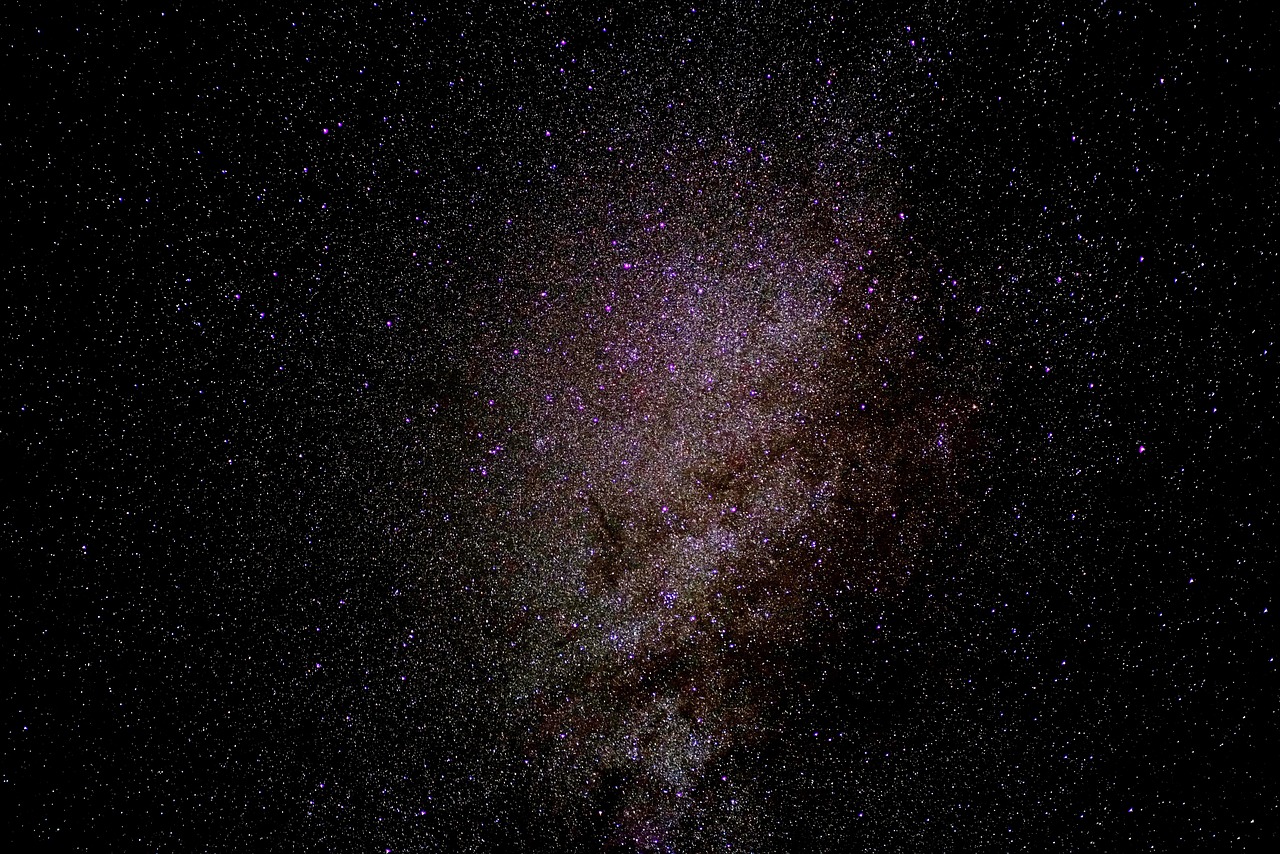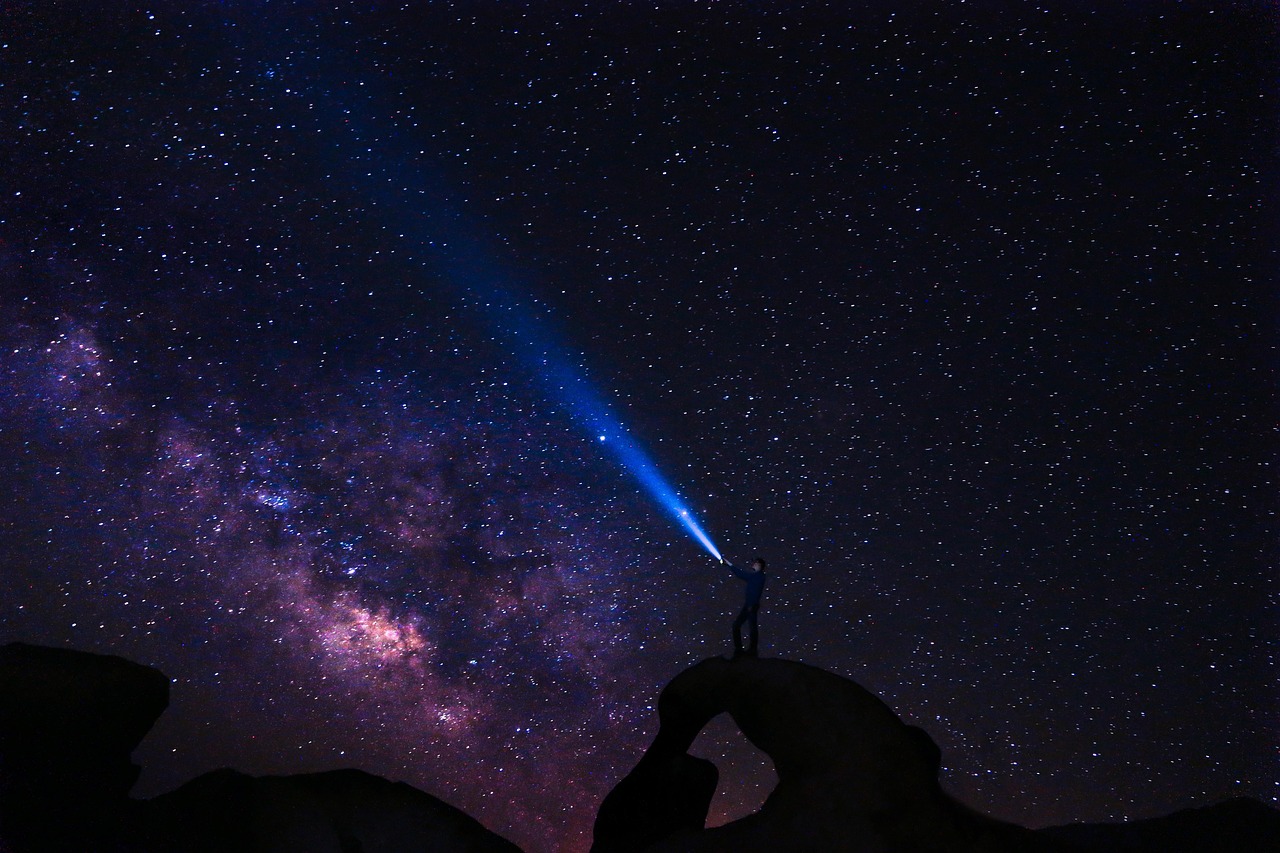
Gazing up at the night sky has captivated humanity for millennia, and modern technology makes celestial observation more accessible than ever before.

Whether you’re drawn to the cratered surface of the Moon or the mesmerizing bands of Jupiter, choosing the right equipment transforms casual stargazing into an extraordinary astronomical adventure. The journey from curious observer to confident astronomer begins with understanding what gear truly matters and how to select equipment that matches your goals, budget, and experience level.
🌙 Understanding Your Celestial Observation Goals
Before investing in any astronomical equipment, clearly define what you want to achieve. Are you primarily interested in lunar photography, planetary observation, or both? The Moon offers stunning detail even through modest equipment, while planets require different specifications for optimal viewing.
Beginners often rush into purchasing expensive gear without considering their actual needs. Start by identifying whether you want casual backyard viewing sessions or serious astrophotography projects. Your goals directly influence every purchasing decision, from telescope type to accessories.
Consider your observing environment as well. Urban dwellers face light pollution challenges that differ from rural observers. Your location significantly impacts what equipment features become priorities versus luxuries.
Telescope Types: Finding Your Perfect Match
Three main telescope designs dominate the amateur astronomy market, each with distinct advantages for lunar and planetary observation.
Refractor Telescopes: Clarity and Contrast
Refractor telescopes use lenses to gather and focus light, delivering exceptional image contrast and sharpness. These instruments excel at planetary observation because they produce crisp, high-contrast views of Jupiter’s cloud bands and Saturn’s rings.
The sealed optical tube requires virtually no maintenance, making refractors ideal for beginners. However, quality refractors can be expensive relative to their aperture size. For Moon and planet viewing, a 4-inch to 6-inch refractor provides stunning results without breaking the bank.
Chromatic aberration can affect budget refractors, causing color fringing around bright objects. Look for apochromatic (APO) refractors if your budget allows, as they eliminate this issue through advanced lens designs.
Reflector Telescopes: Aperture Advantage
Reflector telescopes use mirrors instead of lenses, offering larger apertures at more affordable prices. A 6-inch or 8-inch Newtonian reflector provides impressive light-gathering power for detailed lunar exploration and planetary observation.
These telescopes require periodic collimation (mirror alignment), which intimidates some beginners but becomes routine with practice. The open tube design also means the mirrors need occasional cleaning and are susceptible to temperature fluctuations.
Dobsonian-mounted reflectors deserve special mention for their simplicity and value. These manually operated telescopes maximize aperture for your budget, making them excellent choices for visual observation of the Moon and planets.
Compound Telescopes: Versatile Performers
Schmidt-Cassegrain and Maksutov-Cassegrain telescopes combine mirrors and lenses in compact designs. Their folded optical paths pack substantial focal lengths into portable tubes, perfect for high-magnification planetary viewing.
These telescopes typically mount on computerized GoTo systems, automatically locating celestial objects. This convenience comes at a premium price, but the versatility makes compounds popular among intermediate to advanced observers.
Thermal acclimation takes longer with compound telescopes due to their enclosed tubes. Plan to set up your equipment at least 30 minutes before serious observing begins.
🔭 Aperture and Magnification: The Critical Balance
Aperture, the diameter of your telescope’s primary lens or mirror, determines how much light your instrument collects. For lunar and planetary observation, aperture directly correlates with detail resolution and image brightness.
A common misconception holds that magnification matters most. In reality, magnification without sufficient aperture produces dim, blurry images. The useful magnification limit equals roughly 50 times your aperture in inches (or 2 times aperture in millimeters).
For example, a 4-inch telescope realistically supports up to 200x magnification under excellent atmospheric conditions. Pushing beyond this limit yields larger but fuzzier images. Quality of optics and atmospheric stability often matter more than raw magnification power.
Optimal Apertures for Different Targets
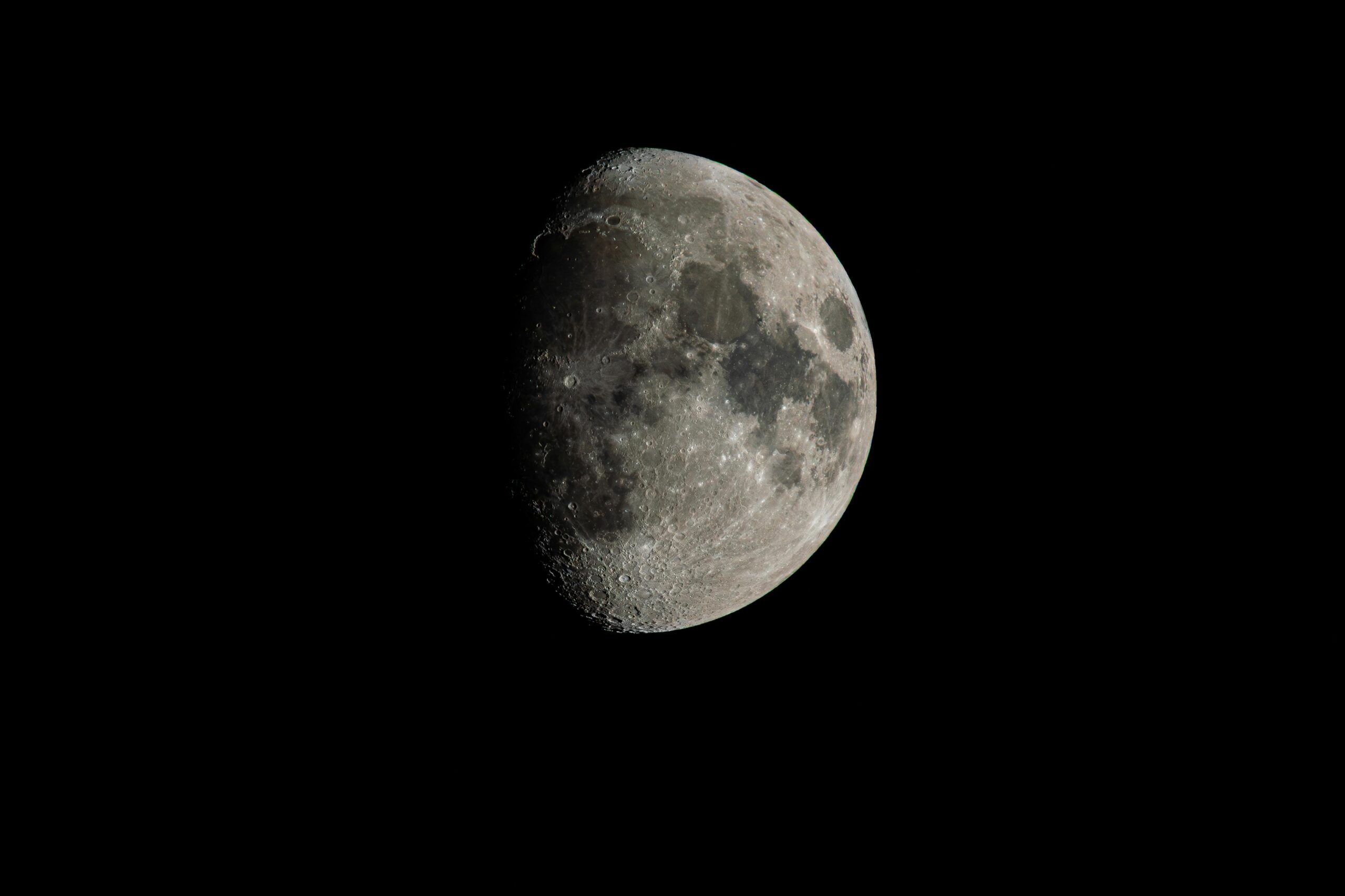
The Moon rewards observers with almost any aperture, revealing craters and mountains through instruments as small as 60mm. However, 4 to 6 inches of aperture showcases truly breathtaking lunar detail, especially along the terminator where shadows emphasize surface features.
Planetary observation benefits from larger apertures. Jupiter’s Great Red Spot and complex cloud patterns emerge clearly through 4-inch telescopes, while 6 to 8 inches reveal cloud details and smaller moons. Saturn’s Cassini Division and ring structure become obvious with 4 inches of aperture.
Mars presents unique challenges due to its small apparent size during most of its orbit. Apertures of 6 inches or more help resolve surface features during favorable oppositions when Mars approaches Earth.
Eyepieces: Your Window to the Cosmos
Eyepieces determine your actual viewing experience more than many beginners realize. Budget telescopes often include mediocre eyepieces that significantly limit optical performance.
Invest in quality eyepieces gradually, building a collection that provides various magnifications. For lunar and planetary viewing, you’ll want at least three focal lengths: low power for finding targets and wide views, medium power for general observation, and high power for detailed planetary study.
Essential Eyepiece Focal Lengths
Calculate magnification by dividing your telescope’s focal length by the eyepiece focal length. A telescope with 1000mm focal length paired with a 25mm eyepiece produces 40x magnification, perfect for lunar touring.
Start with a 25mm eyepiece for low-power views, add a 10mm for medium magnification, and consider a 5-6mm for high-power planetary observation. Barlow lenses double or triple your existing eyepiece magnifications, effectively expanding your collection cost-effectively.
Modern eyepiece designs like Plössls, orthos, and wide-angle formats offer different fields of view and eye relief. Longer eye relief proves especially important if you wear glasses while observing.
🎯 Mount Stability: The Unsung Hero
Even the finest telescope delivers disappointing views when paired with an inadequate mount. Vibrations from wind, ground tremors, or simple focusing movements ruin high-magnification observations.
Two primary mount types dominate amateur astronomy: altitude-azimuth (alt-az) and equatorial. Alt-az mounts move up-down and left-right, offering intuitive operation for beginners. Equatorial mounts align with Earth’s rotational axis, simplifying celestial tracking.
For visual lunar and planetary observation, sturdy alt-az mounts work beautifully. Dobsonian mounts exemplify elegant simplicity, providing rock-solid stability without complexity. If astrophotography interests you, equatorial mounts become essential for tracking celestial objects during long exposures.
Testing Mount Stability
Before purchasing, physically test how quickly vibrations dampen after tapping the telescope. Quality mounts stabilize within 2-3 seconds, while inferior models continue shaking much longer.
Check for smooth motion controls and secure locking mechanisms. The mount should hold your telescope steady at any angle without slowly drifting downward.
Filters: Enhancing Your Viewing Experience
Filters screw into eyepieces to enhance contrast, reduce glare, or highlight specific atmospheric features on planets. While not essential for beginners, strategic filter use dramatically improves lunar and planetary observation.
Moon filters reduce the overwhelming brightness of our natural satellite, especially around full moon. This simple neutral density filter prevents eye fatigue and reveals subtle detail washed out by lunar brilliance.
Color filters enhance planetary observation by increasing contrast between atmospheric features. Red filters (#23A or #25) improve detail in Jupiter’s belts and the Martian surface. Blue filters (#80A or #82A) emphasize Saturn’s atmospheric phenomena and Jupiter’s zones.
Variable polarizing filters offer adjustable light reduction, proving useful for both lunar observation and bright planets like Venus. These versatile accessories deserve consideration once you’ve mastered basic observing techniques.
📱 Digital Tools and Astronomy Apps
Modern smartphones transform into powerful astronomical assistants through specialized applications. These digital tools help locate celestial objects, plan observing sessions, and deepen your understanding of what you’re viewing.
Sky mapping applications use your phone’s GPS and sensors to identify constellations, planets, and the Moon’s position in real-time. Simply point your device skyward to see labeled overlays of celestial objects.
Dedicated lunar apps provide detailed maps showing crater names, mountain ranges, and optimal viewing times for specific features. These resources enhance your appreciation of lunar geography and help you navigate the Moon’s complex surface.
Planetary observation apps predict great viewing opportunities, alerting you when Jupiter’s Great Red Spot faces Earth or when Saturn’s rings reach maximum tilt. This information helps you observe specific phenomena rather than hoping to catch them by chance.
Budget Considerations: Maximizing Value
Quality astronomical equipment represents a significant investment, but smart purchasing strategies stretch your budget further than you might expect.
Entry-level planetary observation begins around $200-300 for a decent 70mm refractor or 114mm reflector with a stable mount. This investment delivers genuine astronomical views, though limitations become apparent as your skills develop.
The $500-800 range opens excellent options including 5-6 inch Dobsonians or quality 4-inch refractors. These instruments provide years of satisfying lunar and planetary observation without significant optical compromises.
Serious amateur astronomers typically invest $1000-2000 for instruments that reveal subtle planetary detail and support basic astrophotography. This budget accesses 8-inch Dobsonians, computerized compound telescopes, or premium refractors.
Smart Purchasing Strategies
Consider buying used equipment from reputable dealers or astronomy club members. Quality telescopes last decades with proper care, and pre-owned instruments offer substantial savings.
Start with a telescope and basic accessories, then upgrade eyepieces and add filters as your experience grows. This approach distributes costs over time while your skills develop.
Avoid department store telescopes marketed with outrageous magnification claims. These instruments feature poor optics and unstable mounts that frustrate beginners into abandoning astronomy entirely.
🌟 Atmospheric Conditions and Seeing
Even world-class equipment can’t overcome poor atmospheric conditions. Understanding “seeing” – astronomical jargon for atmospheric stability – helps you choose optimal observing nights and manage expectations.
Turbulent air causes stars to twinkle and planetary images to shimmer and blur. Steady seeing conditions reveal crisp planetary detail, while poor seeing limits useful magnification regardless of your telescope’s capabilities.
Planetary observation typically works best during evening hours when atmospheric turbulence decreases. Avoid observing immediately after sunset when ground heat continues rising and disturbing air layers.
Objects positioned higher in the sky suffer less atmospheric distortion than those near the horizon. Plan your observing sessions around favorable planetary positions for best results.
Essential Accessories Worth Considering
Beyond your primary telescope and eyepieces, several accessories enhance your lunar and planetary observing experience significantly.
Red LED flashlights preserve your night vision while consulting star charts or adjusting equipment. White light destroys dark adaptation, requiring 20-30 minutes for your eyes to recover full sensitivity.
A sturdy observing chair proves invaluable for comfort during extended sessions. Fatigue diminishes your observing pleasure and ability to detect subtle details.
Dew shields and heaters prevent moisture condensation on optical surfaces during humid nights. These simple accessories prevent frustrating interruptions to your observing sessions.
A quality carrying case protects your investment during transport and storage. Telescopes with jostled optics deliver compromised performance, making proper protection essential.
Learning Resources and Community Connections
Equipment represents only part of the astronomical equation. Developing observing skills transforms adequate gear into powerful scientific instruments.
Join local astronomy clubs to access experienced mentors, group observing sessions, and equipment demonstrations. Club members often let newcomers test various telescopes before purchasing, providing invaluable hands-on experience.
Online forums and communities offer troubleshooting help, equipment reviews, and observing tips from experienced amateurs worldwide. These resources accelerate your learning curve significantly.
Astronomy books and magazines teach you what to observe and when. Understanding lunar phases, planetary positions, and celestial mechanics enriches your observing sessions beyond simply pointing your telescope skyward.
🎨 Making Your Final Decision
Selecting astronomical equipment ultimately involves balancing technical specifications, budget constraints, and personal preferences. No single telescope suits everyone perfectly, but understanding key factors guides you toward equipment matching your needs.
Prioritize optical quality and mount stability over impressive-sounding specifications. A well-made 4-inch telescope consistently outperforms a poorly constructed 6-inch model.
Consider your physical capabilities and storage space. Large Dobsonians deliver stunning views but require vehicle transport and substantial storage areas. Compact refractors grab-and-go easily but cost more per inch of aperture.
Visit astronomy retailers or club star parties to observe through different equipment before purchasing. First-hand experience reveals preferences that specifications alone can’t communicate.
Remember that your first telescope likely won’t be your last. Many amateur astronomers own multiple instruments optimized for different observing goals. Start with quality equipment matching your current interests and budget, knowing you can expand your collection as passion and experience grow.
The night sky offers endless wonder to those who take time to observe carefully. Quality equipment removes barriers between your curiosity and the cosmos, revealing stunning lunar landscapes and dynamic planetary atmospheres. With thoughtful gear selection and dedication to developing observing skills, you’ll unlock celestial treasures that have fascinated humanity since our ancestors first gazed upward in wonder. Your journey into lunar and planetary observation begins with choosing the right equipment – but it continues for a lifetime of discovery under the stars.