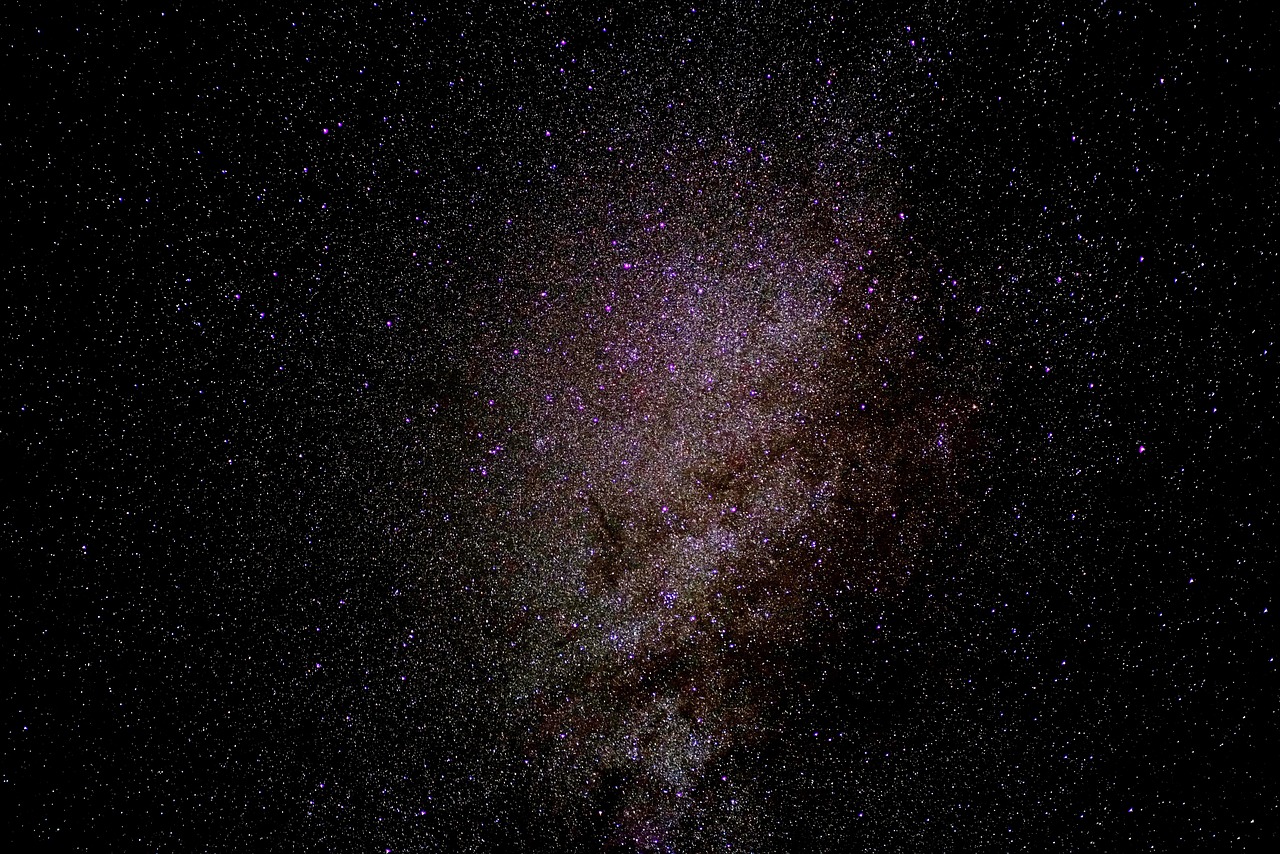
The night sky has captivated humanity for millennia, and today’s aspiring astronomers have more accessible tools than ever to explore celestial wonders. Choosing your first telescope doesn’t have to be overwhelming!

Whether you’re a curious beginner eager to spot Saturn’s rings or a parent looking to ignite a child’s passion for science, selecting the right entry-level telescope package can make the difference between frustration and fascination. The market offers countless options, but understanding what truly matters will help you make an informed decision that leads to years of stargazing adventures.
🔭 Understanding What Makes a Telescope Package “Entry-Level”
Entry-level telescopes are specifically designed for beginners who want to explore astronomy without overwhelming technical complexity or financial investment. These packages typically include everything needed to start observing immediately, removing the guesswork from accessory selection.
A quality beginner telescope package should balance affordability with performance, offering clear views of the Moon, planets, and brighter deep-sky objects. Most entry-level packages range from $100 to $500, with the sweet spot around $200-$300 for serious beginners who want longevity from their investment.
The key distinction between entry-level and professional equipment lies not just in price, but in ease of use, portability, and maintenance requirements. Beginner telescopes prioritize intuitive setup and operation, allowing newcomers to focus on observation rather than technical adjustments.
The Three Main Telescope Types for Beginners
Understanding the fundamental telescope designs helps you align your choice with your observing preferences and circumstances. Each type offers distinct advantages for different astronomical pursuits.
Refractor Telescopes: Simple and Reliable
Refractor telescopes use lenses to gather and focus light, offering crisp, high-contrast images ideal for viewing the Moon and planets. These telescopes require virtually no maintenance and provide consistent performance in various conditions.
The sealed optical tube protects the lenses from dust and environmental factors, making refractors particularly suitable for casual observers who want reliable performance without ongoing care. However, quality refractors with larger apertures become expensive, limiting their deep-sky observation capabilities at entry-level prices.
Reflector Telescopes: Maximum Aperture Value
Reflector telescopes employ mirrors instead of lenses, delivering more light-gathering power per dollar spent. This makes them excellent for viewing faint deep-sky objects like nebulae and galaxies.
The most popular entry-level design is the Newtonian reflector on a Dobsonian mount, affectionately called a “Dob” by astronomers. These telescopes offer exceptional value but require occasional mirror alignment (collimation) and are more sensitive to temperature changes and air currents.
Compound Telescopes: Compact Versatility
Compound or catadioptric telescopes combine lenses and mirrors in a compact design, offering long focal lengths in portable packages. The most common types are Schmidt-Cassegrain and Maksutov-Cassegrain telescopes.
While generally more expensive at the entry level, compound telescopes excel at planetary observation and astrophotography. Their closed tubes protect the optics and their compact size makes them highly portable, though they typically come with smaller apertures in beginner price ranges.
🌟 Critical Features to Consider When Choosing Your Package
Aperture: The Most Important Specification
Aperture—the diameter of the main lens or mirror—determines how much light the telescope gathers. More light means brighter, clearer images and the ability to see fainter objects. For entry-level telescopes, aim for at least 70mm for refractors or 114mm for reflectors.
Many beginners mistakenly prioritize magnification over aperture, but magnification means nothing without sufficient light-gathering capability. A telescope can theoretically magnify to any level, but useful magnification is limited by aperture and atmospheric conditions.
Mount Quality: Stability Matters More Than You Think
A steady mount transforms the observing experience from frustrating to enjoyable. Even the finest optics become useless when mounted on a wobbly, unstable platform that amplifies every touch and breeze.
Entry-level packages typically feature either altitude-azimuth (alt-az) mounts that move up-down and left-right, or equatorial mounts aligned with Earth’s rotation. Alt-az mounts, especially Dobsonian designs, offer simplicity and stability, while equatorial mounts facilitate celestial tracking but require proper alignment.
Included Accessories: What You Actually Need
Quality telescope packages bundle essential accessories that enhance usability from day one. Standard inclusions should comprise multiple eyepieces for different magnifications, a finderscope or red dot finder for locating objects, and a sturdy carrying case.
Beware of packages emphasizing excessive accessories over optical quality. A telescope with mediocre optics but dozens of color filters and Barlow lenses offers less value than quality optics with fewer but better accessories.
Top Entry-Level Telescope Package Recommendations
Best Overall Value: Celestron PowerSeeker 127EQ
This Newtonian reflector offers 127mm aperture at an affordable price point, providing excellent views of lunar craters, planetary details, and brighter deep-sky objects. The equatorial mount allows for smooth tracking, though it requires initial setup and alignment.
The package includes two eyepieces, a finderscope, and astronomy software, making it a comprehensive starter kit. While the mount could be sturdier, this telescope represents solid performance for budget-conscious beginners serious about astronomy.
Best for Portability: Celestron AstroMaster 70AZ
This 70mm refractor combines decent optical quality with exceptional portability and ease of use. The simple alt-az mount assembles quickly without tools, perfect for spontaneous observing sessions or traveling to darker skies.
While limited to brighter celestial objects due to its modest aperture, this telescope excels at lunar and planetary observation. It’s particularly suitable for beginners who value convenience and straightforward operation over maximum light-gathering power.
Best Deep-Sky Explorer: Orion SkyQuest XT6
This 6-inch Dobsonian reflector delivers impressive aperture at an entry-level price, making it ideal for observers focused on nebulae, star clusters, and galaxies. The stable Dobsonian mount provides smooth, intuitive movement with zero setup complexity.
The telescope’s size strikes an excellent balance between portability and performance. While bulkier than refractors, it remains manageable for most observers and delivers views that rival much more expensive instruments.
Best Premium Entry-Level: Sky-Watcher EvoStar 90
For beginners willing to invest more upfront, this 90mm refractor offers exceptional optical quality that will satisfy for years. The achromatic design minimizes chromatic aberration, delivering sharp, color-accurate planetary views.
Paired with a quality equatorial mount, this telescope grows with your skills, supporting future astrophotography pursuits. The superior build quality and optics justify the higher price for committed beginners.
📱 Essential Apps to Enhance Your Stargazing Experience
Modern smartphone technology has revolutionized amateur astronomy, providing real-time sky maps, object identification, and observation planning tools that would have amazed astronomers just decades ago.
Stargazing apps transform your phone into a portable planetarium, helping you identify constellations, locate planets, and discover what deep-sky objects are visible from your location. These applications complement your telescope perfectly, serving as digital guides to the cosmos.
Advanced planning apps help you determine optimal viewing times for specific objects, track satellite passes, and receive notifications about astronomical events like meteor showers and planetary conjunctions. Integrating these digital tools with your telescope significantly enhances your observing success.
🎯 Avoiding Common Beginner Telescope Mistakes
The Magnification Trap
Marketing materials often tout enormous magnification numbers like “525x power!” to attract inexperienced buyers. In reality, useful magnification rarely exceeds 50x per inch of aperture due to atmospheric turbulence and optical limitations.
A 3-inch telescope realistically provides clear views up to about 150x magnification under excellent conditions. Higher magnifications simply enlarge blur without revealing additional detail. Focus on aperture and optical quality instead of magnification claims.
Skipping the Learning Curve
Many beginners expect to see Hubble-like images through their eyepieces and feel disappointed by the reality. Telescope views show smaller, less colorful versions of those stunning photographs, which typically require long exposures and image processing.
Setting realistic expectations and investing time to learn the night sky pays enormous dividends. Start with easy targets like the Moon and bright planets before attempting faint deep-sky objects. Your observing skills and appreciation will grow together.
Neglecting Observing Conditions
Telescope performance depends heavily on factors beyond the equipment itself. Light pollution, atmospheric turbulence, humidity, and temperature all significantly impact what you can see.
Even modest telescopes perform impressively under dark skies away from city lights, while expensive equipment struggles in light-polluted urban environments. Consider your typical observing location when selecting a telescope and plan occasional trips to darker sites.
🌙 What You Can Actually See With an Entry-Level Telescope
The Moon: Your First and Most Rewarding Target
The Moon provides endless fascination for telescope owners at any experience level. Even small telescopes reveal stunning details: countless craters, mountain ranges, vast maria (dark plains), and the dramatic terminator line separating lunar day from night.
Observing the Moon at different phases showcases changing landscapes as sunlight angles shift, creating new shadows and highlights. A quality entry-level telescope displays lunar features rivaling professional photographs from decades past.
Planets: Distant Worlds Within Reach
Entry-level telescopes successfully reveal planetary details that confirm you’re viewing actual worlds, not just points of light. Jupiter’s cloud bands, Great Red Spot, and four largest moons appear clearly. Saturn’s magnificent rings and largest moon Titan become visible.
Mars shows its distinctive reddish color and occasionally polar ice caps or surface features during favorable oppositions. Venus displays phases like the Moon, while Mercury appears as a tiny disc. Neptune and Uranus show as blue-green dots, confirming their existence.
Deep-Sky Objects: Glimpses of Cosmic Wonders
While deep-sky observation favors larger apertures, entry-level telescopes still reveal impressive sights. The Orion Nebula appears as a glowing cloud surrounding multiple stars. The Andromeda Galaxy shows its elongated shape and brighter core.
Open star clusters like the Pleiades and Double Cluster dazzle with dozens of stars compressed into compact areas. Globular clusters appear as fuzzy balls, while some brighter galaxies reveal their spiral structure or companion galaxies under good conditions.
Maximizing Your Investment: Accessories Worth Adding Later
Once you’ve mastered your telescope’s basics, strategic accessory additions enhance specific observing pursuits without breaking the bank. Quality over quantity remains the guiding principle for accessory purchases.
Additional Eyepieces for Magnification Flexibility
A collection of three to five quality eyepieces covering low, medium, and high magnifications serves most observing needs. Specialty eyepieces with wide fields of view enhance deep-sky observation, while planetary eyepieces optimize high-magnification performance.
Filters for Enhanced Contrast
Moon filters reduce glare during bright lunar observations, revealing subtle details otherwise washed out. Light pollution filters help urban observers by blocking common artificial light wavelengths while transmitting light from nebulae and other deep-sky objects.
Collimation Tools for Reflector Owners
Reflector telescopes require periodic mirror alignment to maintain optimal performance. A simple collimation tool and laser collimator streamline this process, ensuring your telescope always delivers its best possible views.

🚀 Starting Your Astronomical Journey With Confidence
Selecting your first telescope marks the beginning of a potentially lifelong journey through the cosmos. The best entry-level telescope package balances optical quality, ease of use, and included accessories within your budget while matching your observing interests.
Remember that astronomy rewards patience and practice. Your skills will develop alongside your appreciation for the universe’s wonders. Join local astronomy clubs or online communities to accelerate learning and share the excitement of discovery with fellow enthusiasts.
The universe awaits your exploration. With the right telescope package and realistic expectations, you’ll soon experience the profound satisfaction of discovering Saturn’s rings, tracking Jupiter’s moons, or glimpsing distant galaxies—all from your own backyard. Clear skies and happy observing! ✨