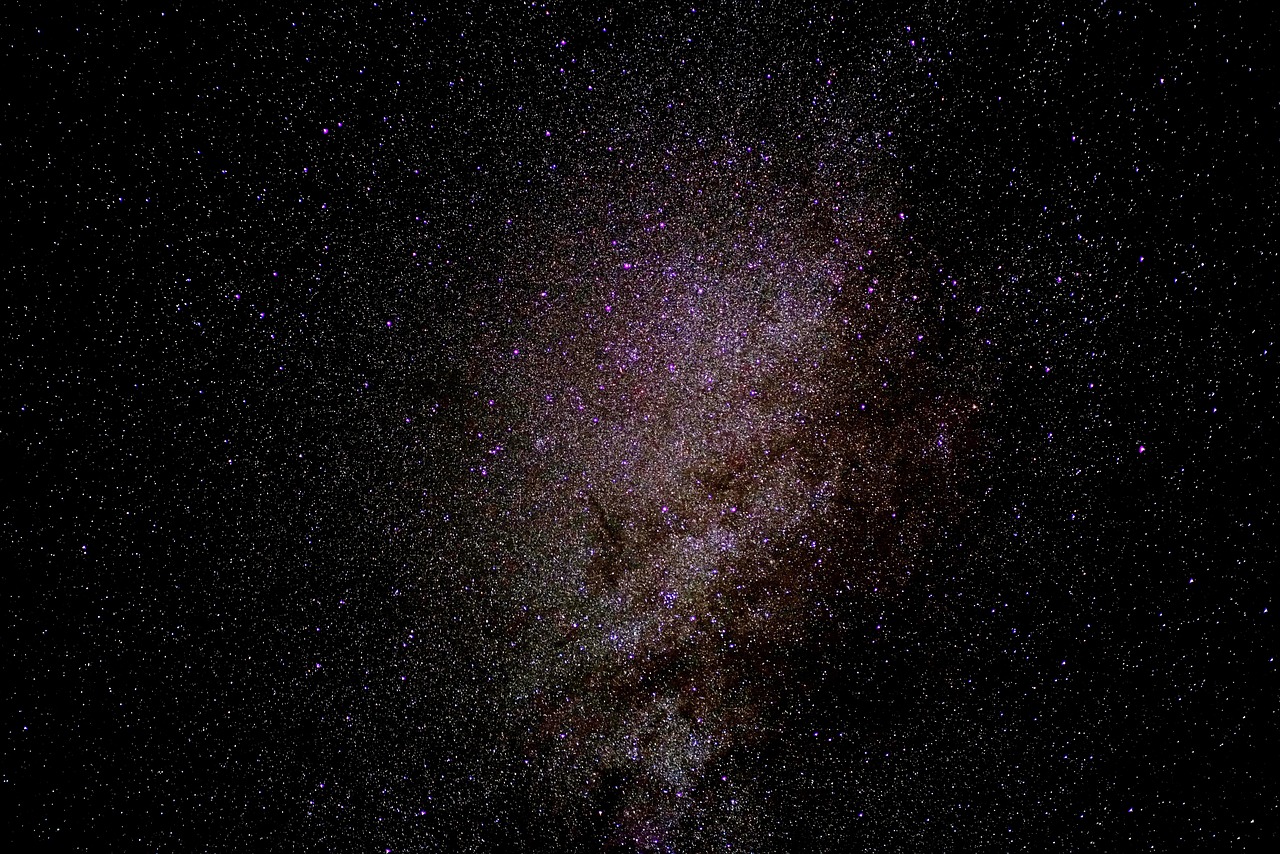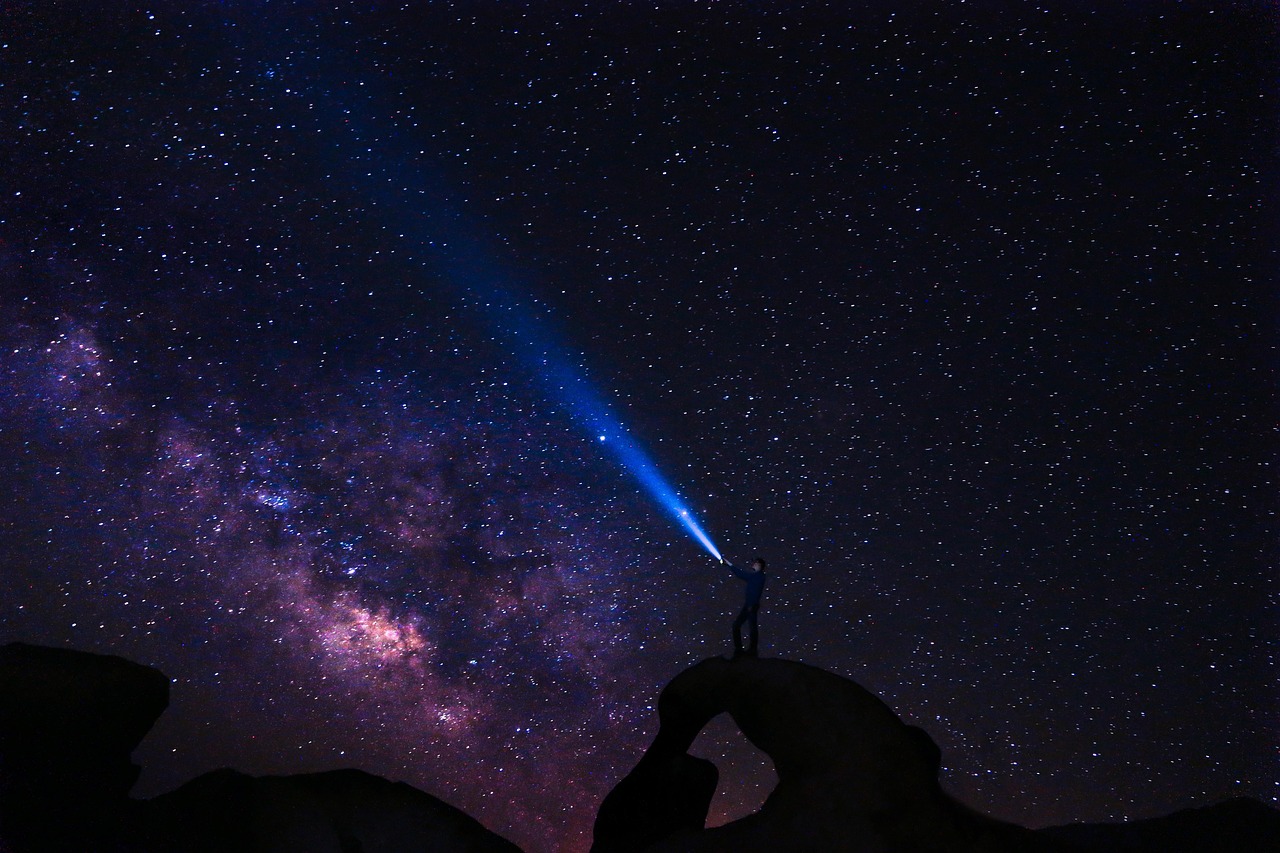
Gazing up at the night sky has captivated humanity for millennia, and choosing your first telescope opens the door to cosmic wonders beyond imagination.

Whether you’re dreaming of observing Saturn’s majestic rings, exploring the craters of the Moon, or venturing into deep-sky objects like nebulae and galaxies, selecting the right telescope transforms casual curiosity into a lifelong passion. The marketplace offers countless options, from compact refractors to sophisticated computerized models, making the decision both exciting and potentially overwhelming for newcomers to astronomy.
🔭 Understanding Telescope Fundamentals: What Makes a Good Stargazing Companion
Before diving into specific models and brands, understanding the basic principles of how telescopes work empowers you to make informed decisions. A telescope’s primary function is gathering light—much more than your naked eye can collect—and magnifying distant objects to reveal details invisible otherwise.
The most critical specification is aperture, which refers to the diameter of the telescope’s main optical component. Larger apertures collect more light, revealing fainter objects and finer details. A telescope with a 6-inch aperture gathers significantly more light than one with a 3-inch aperture, translating directly into superior viewing experiences.
Magnification, contrary to popular belief, isn’t the most important factor. Marketing materials often emphasize high magnification numbers, but excessive magnification without adequate aperture produces dim, blurry images. The practical maximum magnification is roughly 50 times the aperture in inches—a 4-inch telescope realistically maxes out around 200x magnification.
The Three Main Telescope Types Explained
Refractor telescopes use lenses to gather and focus light, similar to binoculars or cameras. They’re known for sharp, high-contrast images, particularly excellent for lunar and planetary observation. Refractors require minimal maintenance, remain optically aligned for years, and withstand transportation well. However, larger apertures become exponentially expensive due to precision glass requirements.
Reflector telescopes employ mirrors instead of lenses, with the Newtonian design being most common among amateur astronomers. They offer excellent value, providing larger apertures at budget-friendly prices. Reflectors excel at deep-sky observation—galaxies, nebulae, and star clusters—though they require occasional mirror alignment (collimation) and are more susceptible to environmental conditions.
Compound telescopes, also called catadioptric designs, combine lenses and mirrors in compact configurations. Schmidt-Cassegrain and Maksutov-Cassegrain are popular variations offering versatility for both planetary and deep-sky viewing. Their portable designs suit observers with limited storage, though they typically cost more than equivalent aperture reflectors.
🌟 Matching Your Telescope to Your Observing Goals
Different celestial targets demand different optical characteristics, so identifying your primary interests helps narrow telescope choices considerably. Planetary observers prioritize high-contrast, sharp images that reveal fine details on Jupiter’s cloud bands or Mars’s polar ice caps. For these purposes, refractors and compound telescopes generally outperform reflectors.
Deep-sky enthusiasts seeking nebulae, galaxies, and star clusters benefit most from light-gathering power. A larger aperture reflector, even with slightly less crisp images than a smaller refractor, reveals significantly more detail in faint deep-sky objects. Many seasoned astronomers consider aperture the supreme specification for deep-sky work.
Moon observation suits virtually any telescope type, as Earth’s satellite provides abundant light and fascinating details regardless of optical design. Even modest instruments reveal thousands of craters, mountain ranges, and geological features that keep lunar observers engaged for years.
Budget Considerations and Value Optimization
Setting realistic expectations about costs prevents disappointment and ensures you acquire equipment that truly serves your needs. Entry-level quality telescopes start around $200-300, with sweet-spot beginner instruments ranging $400-800. Professional-grade amateur telescopes easily exceed several thousand dollars.
Avoid department store telescopes advertised with exaggerated magnification claims and flimsy construction. These instruments frustrate beginners with poor optical quality and unstable mounts, often discouraging continued interest in astronomy. Investing slightly more in reputable brands pays dividends in image quality and equipment longevity.
Consider the complete system cost beyond just the optical tube. Quality eyepieces, finder scopes, star charts or astronomy apps, red flashlights for preserving night vision, and potentially filters add to initial expenses. Budgeting an additional 20-30% beyond the telescope cost covers essential accessories.
🎯 Mount Stability: The Often-Overlooked Critical Factor
Many beginners underestimate mount importance, focusing exclusively on optical specifications. However, the steadiest telescope optics become frustratingly unusable atop a wobbly, inadequate mount. Vibrations from focusing, wind, or even nearby footsteps can ruin observations if the mount lacks proper stability.
Alt-azimuth mounts move up-down and left-right, offering intuitive operation perfect for beginners. Dobsonian telescopes feature large-aperture reflectors on simplified alt-azimuth mounts, delivering exceptional value by maximizing aperture while minimizing mount complexity and cost. Their simplicity encourages more time observing rather than wrestling with equipment.
Equatorial mounts align with Earth’s rotational axis, allowing single-axis tracking to follow celestial objects as they arc across the sky. They require initial polar alignment but excel for astrophotography and extended high-magnification viewing. Equatorial mounts involve steeper learning curves but reward dedicated observers with enhanced capabilities.
Computerized GoTo Systems: Convenience vs. Learning
Computerized GoTo telescopes automatically locate and track thousands of celestial objects after simple setup procedures. For urban observers contending with light pollution that obscures naked-eye star patterns, GoTo systems provide access to objects impossible to find manually. They maximize observing time, particularly valuable for those with limited evening availability.
However, many astronomy educators advocate learning the night sky manually before relying on computerized assistance. Understanding constellations, star-hopping techniques, and celestial mechanics deepens astronomical knowledge and appreciation. Manual telescopes encourage exploration and discovery rather than passive observation of computer-selected targets.
A balanced approach involves starting with manual operation while keeping future GoTo upgrades possible. Many telescope mounts accommodate motorized tracking additions, allowing skill development before embracing automation. This progression builds foundational knowledge while eventually gaining technological convenience.
📍 Portability and Storage Practical Realities
The best telescope is the one you’ll actually use, making portability and storage genuine concerns beyond theoretical specifications. Large aperture instruments sitting unused in garages contribute nothing compared to smaller, frequently-used telescopes. Honestly assess your physical capabilities, transportation options, and storage space before purchasing.
Telescope weight varies dramatically—compact refractors weigh under 10 pounds, while substantial Dobsonians exceed 50-75 pounds when including bases. Setup and teardown time matters equally; will you assemble equipment each session, or maintain a semi-permanent backyard observatory? Complex setups reduce spontaneous observing opportunities.
Urban and suburban observers often transport telescopes to darker rural locations for optimal viewing. Vehicle size, equipment fragility during transport, and assembly complexity in darkness all influence practical usability. Tabletop telescopes and compact designs suit travelers and apartment dwellers better than massive light-bucket Dobsonians.
🌙 Essential Accessories That Enhance Your Experience
Telescopes typically include basic eyepieces, but expanding your eyepiece collection dramatically improves versatility. Different focal lengths provide varied magnifications—shorter focal lengths deliver higher magnification for planetary detail, while longer focal lengths offer wider views perfect for large nebulae and star clusters.
Quality eyepieces significantly impact viewing comfort and image quality. Budget “Kellner” or “Modified Achromat” designs suffice initially, but upgrading to “Plössl” or premium designs like “Ultra-Wide Angle” eyepieces reveals noticeably sharper images with better edge correction and wider apparent fields of view.
Barlow lenses multiply eyepiece magnification, typically 2x or 3x, effectively doubling your eyepiece collection’s versatility. A quality 2x Barlow with three eyepieces provides six different magnification options, offering flexibility without purchasing complete eyepiece sets immediately.
Filters and Viewing Enhancements
Moon filters reduce overwhelming lunar brightness, revealing subtle details washed out in unfiltered views and preventing eye fatigue during extended sessions. Planetary filters enhance specific features—blue filters improve Mars detail, while red filters enhance Jupiter’s Great Red Spot and cloud bands.
Light pollution filters help urban and suburban observers by blocking specific wavelengths from artificial lighting while transmitting light from nebulae and galaxies. While not magical solutions transforming city skies into pristine darkness, they noticeably improve deep-sky object contrast in moderately light-polluted conditions.
Red flashlights preserve dark adaptation crucial for detecting faint celestial objects. White lights destroy night vision requiring 20-30 minutes to recover, severely limiting observing effectiveness. Dim red LED flashlights provide adequate illumination for star charts and equipment adjustment without compromising dark-adapted eyes.
🌠 Astronomy Apps: Your Digital Guide to the Cosmos
Modern smartphone applications revolutionize amateur astronomy, providing real-time sky maps, object databases, and observing planners that previous generations could only imagine. These digital tools complement telescopes perfectly, helping beginners navigate the night sky and identify targets worth observing.
Sky mapping apps use phone sensors to display accurate celestial charts matching your viewing direction. Simply point your device skyward, and constellations, planets, and deep-sky objects appear labeled on-screen. This technology dramatically flattens the learning curve for constellation recognition and object location.
Astronomy apps also provide event notifications for planetary alignments, meteor showers, International Space Station passes, and other time-sensitive phenomena. Many include extensive databases with observing notes, photographs, and difficulty ratings helping beginners target appropriate objects for their equipment and skill level.
🎓 Learning Resources and Community Connections
Astronomy clubs exist in most regions, offering invaluable resources for beginners including equipment demonstrations, observing sessions, and mentorship from experienced stargazers. Club members often allow newcomers to view through various telescope types, providing firsthand comparison impossible through online research alone.
Local astronomy clubs frequently organize “star parties”—group observing events at dark-sky locations—where beginners access equipment worth thousands of dollars while learning from passionate enthusiasts eager to share knowledge. These gatherings build community connections and accelerate learning through practical demonstration and discussion.
Online forums, YouTube channels, and astronomy websites provide endless educational content covering telescope reviews, observing techniques, maintenance procedures, and astrophotography guidance. However, verify information through multiple reputable sources, as online advice quality varies considerably from expert guidance to well-meaning but inaccurate suggestions.
🚀 Taking Your First Steps Into Stargazing
After acquiring your telescope, resist the temptation to immediately observe at maximum magnification. Start with your lowest magnification eyepiece, which provides the brightest images, widest fields of view, and easiest target acquisition. Master finding and centering objects at low power before progressively increasing magnification.
The Moon makes an ideal first target—it’s large, bright, easily located, and reveals stunning detail even through modest instruments. Lunar observation builds skills in focusing, tracking celestial motion, and managing magnification while providing immediately rewarding views that build confidence and enthusiasm.
Planetary observation requires patience and atmospheric stability awareness. “Seeing conditions” describe atmospheric turbulence affecting high-magnification views—calm nights with steady air reveal planetary detail impossible during turbulent conditions regardless of telescope quality. Learning to assess and adapt to seeing conditions separates frustrating sessions from spectacular observations.
Setting Realistic Expectations for Visual Astronomy
Astrophotography images showcasing vivid nebula colors and intricate galaxy details represent long-exposure captures impossible to replicate with visual observation. Human eyes lack photography’s light-accumulation capability, so expect most deep-sky objects to appear as gray, ghostly forms rather than color-saturated photographs.
This reality doesn’t diminish visual astronomy’s wonder—personally witnessing photons that traveled millions of years from distant galaxies creates profound connections photographs cannot replicate. Understanding visual observation limitations prevents disappointment while fostering appreciation for subtle details and the observing process itself.
Planetary observation more closely matches photographic representations, with Jupiter’s bands, Saturn’s rings, and Mars’s polar caps displaying recognizable colors and features. Lunar observation exceeds expectations, revealing overwhelming detail in mountains, craters, and geological features that keep observers engaged for lifetimes.

✨ Your Journey Begins Tonight
Selecting your first telescope represents the beginning of an incredible journey exploring cosmic wonders from your backyard. Whether choosing a modest refractor for planetary detail, a light-bucket Dobsonian for deep-sky adventure, or a versatile compound telescope for all-purpose observing, the perfect instrument matches your specific interests, budget, and practical circumstances.
Remember that telescope specifications tell only part of the story—mount stability, accessory quality, portability considerations, and your commitment to learning fundamentally impact observing satisfaction. The astronomy community welcomes newcomers enthusiastically, offering support, guidance, and shared passion that enriches the technical aspects of stargazing.
Clear skies await your exploration, filled with planetary details, lunar landscapes, stellar nurseries, and distant galaxies beckoning discovery. Your perfect telescope exists among countless options, ready to unlock cosmic perspectives that expand understanding and inspire wonder. The stars have always been there—now you possess the knowledge to choose the instrument that brings them within reach. Step outside tonight, point your telescope skyward, and begin your personal adventure through the infinite cosmos surrounding our tiny planet. 🌌