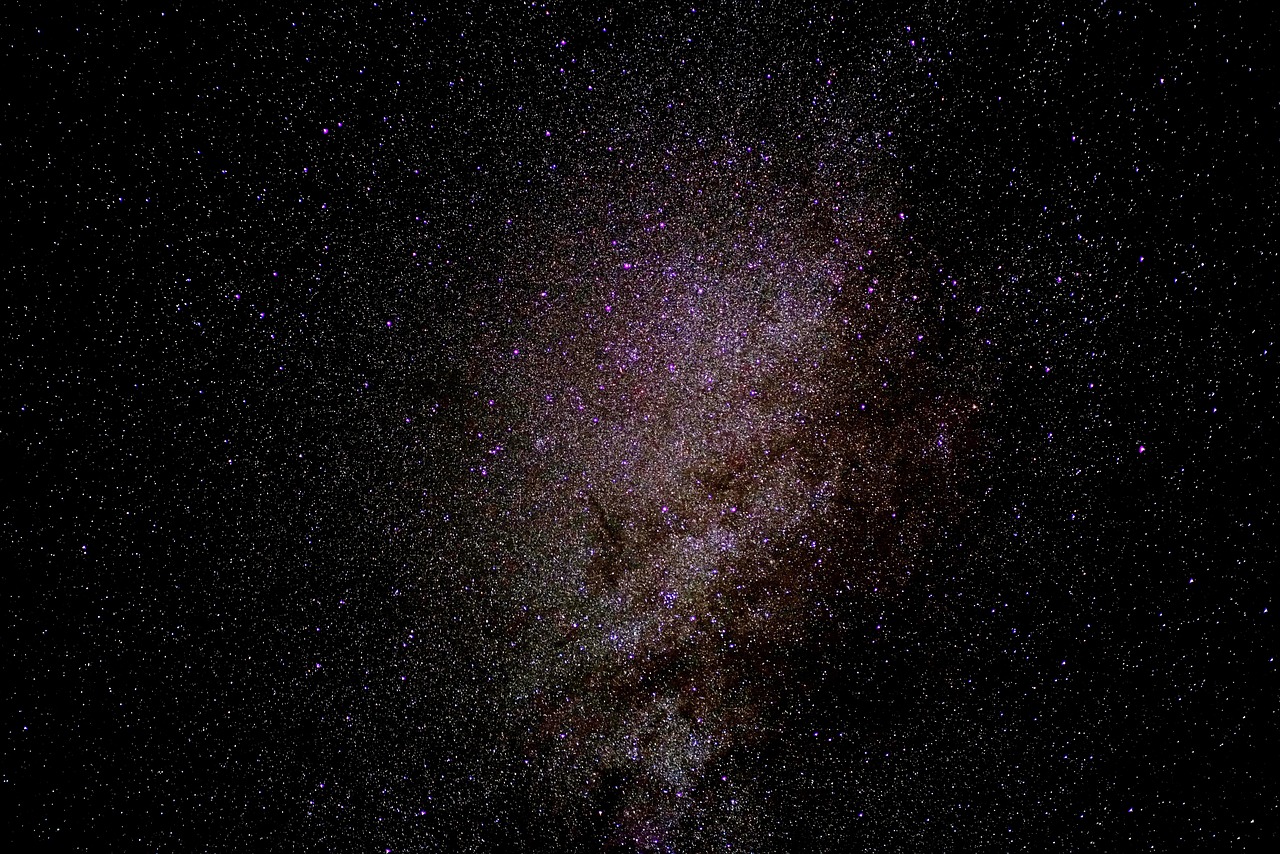
The night sky has captivated humanity for millennia, sparking curiosity and wonder about the cosmos. Today, telescopes bridge the gap between our eyes and the universe’s magnificent mysteries.

Whether you’re a curious beginner taking your first steps into amateur astronomy or an experienced observer seeking to upgrade your equipment, understanding the fundamental differences between refractor and reflector telescopes will transform your stargazing experience. These two primary telescope designs have served astronomers for centuries, each offering unique advantages that cater to different observing preferences, budgets, and celestial targets. The journey to selecting the perfect telescope begins with understanding how light is captured, focused, and delivered to your eager eye.
🔭 The Fundamental Design: How Refractors Capture Starlight
Refractor telescopes represent the classic telescope design that most people envision when thinking about astronomical instruments. These elegant tubes use a system of glass lenses to bend or “refract” light, gathering it from distant celestial objects and focusing it into a sharp image.
At the front end of a refractor sits the objective lens, typically composed of multiple glass elements carefully designed to minimize optical aberrations. This primary lens collects incoming light and converges it toward the eyepiece at the opposite end of the tube. The simplicity of this straight-through design creates an intuitive viewing experience that feels natural for beginners.
The sealed tube construction of refractors provides significant practical advantages. Since the optical path remains enclosed from the environment, dust, moisture, and air currents have minimal impact on image quality. This sealed design also means the optics rarely require cleaning or adjustment, making refractors exceptionally low-maintenance instruments that can last generations with minimal care.
What Makes Refractors Shine in Planetary Observation
Refractor telescopes excel at delivering crisp, high-contrast views of the Moon, planets, and double stars. The absence of a central obstruction in the optical path—a feature unavoidable in most reflector designs—means refractors can achieve exceptional sharpness and detail in bright objects.
When observing Jupiter’s cloud bands, Saturn’s rings, or the intricate craters dotting the lunar surface, a quality refractor produces images with stunning clarity and edge-to-edge sharpness. The contrast performance of refractors makes subtle planetary features more visible, revealing atmospheric details that might appear washed out in other telescope types.
🌟 Reflector Telescopes: Mirrors That Open the Universe
Reflector telescopes take a fundamentally different approach to gathering starlight. Instead of refracting light through lenses, these instruments use curved mirrors to collect and focus light. The primary mirror sits at the bottom of the telescope tube, reflecting light back up toward a secondary mirror that directs the focused image to the eyepiece.
Sir Isaac Newton revolutionized telescope design when he invented the first practical reflecting telescope in 1668, solving the chromatic aberration problems that plagued early refractors. Today’s reflectors continue this legacy, offering amateur astronomers tremendous light-gathering power at accessible prices.
The most common reflector design for amateur use is the Newtonian reflector, where a flat secondary mirror positioned near the top of the tube directs light to a focuser mounted on the side. This design allows for relatively simple construction while delivering impressive aperture sizes that would be prohibitively expensive in refractor form.
Aperture Advantage: The Reflector’s Greatest Strength
One of the most compelling reasons astronomers choose reflector telescopes is the aperture-to-price ratio. Since mirrors can be supported from behind across their entire surface, manufacturing large mirrors proves significantly less expensive than creating large objective lenses, which must maintain optical precision throughout their entire glass volume.
This economic advantage translates directly into observational power. A larger aperture collects more light, revealing fainter celestial objects and resolving finer details. For deep-sky enthusiasts eager to explore nebulae, galaxies, and star clusters, the light-gathering capability of a moderately priced reflector can outperform a much more expensive refractor.
An 8-inch reflector telescope, for instance, provides views of distant galaxies, colorful planetary nebulae, and intricate star clusters that would remain invisible in a smaller telescope. This makes reflectors the preferred choice for observers focused on exploring the universe beyond our solar system.
⚖️ Comparing Performance: Which Telescope Suits Your Goals?
The refractor versus reflector debate doesn’t have a single correct answer—rather, the ideal choice depends on your specific astronomical interests, observing environment, and practical considerations. Understanding the strengths and limitations of each design empowers you to make an informed decision.
Image Quality and Optical Characteristics
High-quality refractors, particularly apochromatic designs using specialized glass, deliver virtually color-free images with exceptional contrast. The closed tube design also ensures thermal stability, meaning the telescope reaches optimal viewing temperature more quickly than open-tube reflectors.
Reflectors, while potentially affected by air currents within the tube (called “tube currents”), offer excellent image quality when properly collimated. Modern reflectors with premium coatings can achieve remarkable light transmission, though the central obstruction from the secondary mirror slightly reduces contrast compared to unobstructed designs.
Portability and Setup Considerations
Refractors generally offer superior portability in smaller apertures. A compact 80mm or 100mm refractor can be quickly set up on a lightweight mount, making it perfect for grab-and-go observing sessions. The sealed tube also means you can transport the telescope without worrying about contaminating the optics.
Reflectors, especially larger Newtonian models, can be more cumbersome to transport due to their longer tubes and bulkier construction. However, collapsible tube designs and truss-tube Dobsonian reflectors have addressed many portability concerns, allowing observers to break down larger aperture telescopes for easier transportation.
💰 Investment Considerations: Value for Your Budget
Budget plays a crucial role in telescope selection, and understanding the cost implications of each design helps maximize your investment. Both refractors and reflectors offer excellent value at different price points, but the economics shift dramatically as aperture increases.
Entry-Level Options for Beginning Astronomers
For beginners working with limited budgets, small refractors in the 70-90mm range provide quality views of bright celestial objects without breaking the bank. These instruments deliver satisfying observations of the Moon, planets, and brighter deep-sky objects while remaining affordable and easy to use.
Similarly, a 114mm or 130mm Newtonian reflector on a simple mount represents another excellent entry point. These telescopes offer more light-gathering power than comparably priced refractors, though they may require occasional collimation and more careful handling.
Mid-Range and Advanced Equipment Investment
As aperture increases, the price advantage of reflectors becomes increasingly pronounced. A quality 6-inch or 8-inch Dobsonian reflector costs considerably less than a comparable aperture refractor while delivering outstanding deep-sky performance. These instruments represent tremendous value for serious amateur astronomers.
Premium apochromatic refractors in the 100-150mm range command significant investments but reward owners with breathtaking views, exceptional build quality, and instruments that hold their value remarkably well. For astrophotographers and planetary specialists, these refractors represent the pinnacle of optical performance.
🛠️ Maintenance and Long-Term Ownership
The ongoing care requirements of your telescope significantly impact the long-term ownership experience. Understanding maintenance needs helps set realistic expectations and ensures your equipment performs optimally for years to come.
Refractor Maintenance: Minimal Intervention Required
Refractors stand out for their remarkably low maintenance requirements. The sealed optical tube protects the lenses from environmental contamination, meaning most owners never need to clean their objective lens. The optical alignment remains stable indefinitely, eliminating the need for periodic adjustments.
When cleaning becomes necessary after years of use, a simple lens cleaning procedure restores pristine views. This maintenance-free character makes refractors ideal for observers who prefer spending time observing rather than tinkering with equipment.
Reflector Care: Collimation and Mirror Maintenance
Reflector telescopes require more hands-on maintenance, primarily involving periodic collimation—the process of aligning the mirrors to ensure optimal optical performance. While this initially seems daunting to beginners, collimation becomes a quick routine task with practice, typically taking just a few minutes.
The exposed primary mirror in most Newtonian reflectors gradually accumulates dust over time. While some dust minimally impacts performance, eventually the mirror requires careful cleaning. Modern coatings have improved durability, meaning mirrors might need cleaning only once every few years with careful handling.
🌌 Observing Targets: Matching Telescope to Sky Objects
Different celestial objects reward observation with different telescope types. Aligning your equipment choice with your favorite observing targets ensures maximum satisfaction and memorable viewing experiences.
Planetary and Lunar Observation Excellence
For observers passionate about studying planetary details, lunar geography, and double stars, refractors deliver exceptional results. The high-contrast, color-corrected views produced by quality refractors reveal subtle atmospheric features on Jupiter, the delicate division in Saturn’s rings, and intricate crater details on the Moon.
Reflectors also perform admirably on bright solar system objects, particularly in larger apertures where increased resolution compensates for the slight contrast loss from the secondary mirror obstruction. Many planetary observers successfully use reflectors to capture stunning details on their favorite worlds.
Deep-Sky Exploration and Faint Object Hunting
When your passion lies in exploring galaxies millions of light-years distant, glowing nebulae, and ancient star clusters, aperture becomes paramount. Reflectors excel in this domain, offering affordable access to the large apertures necessary for gathering sufficient light from these dim treasures.
An 8-inch or 10-inch Dobsonian reflector reveals structural details in galaxies, resolves individual stars in distant clusters, and displays the delicate colors and structures within emission nebulae. These views simply aren’t accessible through smaller aperture instruments, regardless of optical design.
🔍 Specialized Telescope Designs Worth Considering
Beyond basic refractors and reflectors, hybrid designs combine elements of both approaches, offering unique advantages for specific observing goals.
Catadioptric Telescopes: Compact Versatility
Schmidt-Cassegrain and Maksutov-Cassegrain telescopes use both lenses and mirrors in ingenious designs that fold the optical path, creating remarkably compact instruments with long focal lengths. These telescopes offer excellent versatility for both visual observation and astrophotography, though they typically cost more than comparable reflectors.
The portability and convenience of catadioptric designs appeal to observers with limited storage space or those who frequently travel to dark-sky locations. The moderate apertures common in these designs strike a balance between planetary and deep-sky performance.
📱 Enhancing Your Stargazing with Technology
Modern astronomy enthusiasts benefit from numerous smartphone applications that enhance observation sessions, helping identify celestial objects, plan viewing sessions, and deepen astronomical knowledge. Star chart applications provide real-time sky maps, while specialized apps assist with telescope alignment, collimation, and astrophotography planning.
🎯 Making Your Final Decision: A Practical Framework
Choosing between a refractor and reflector telescope ultimately depends on weighting multiple factors according to your personal priorities. Consider creating a decision matrix that ranks the following aspects by importance to your situation.
First, honestly assess your primary observing interests. If planetary observation dominates your passion and budget allows, a quality refractor may prove ideal. If exploring the deep-sky universe calls to you and maximizing aperture within budget matters most, a reflector likely offers the best path forward.
Second, evaluate your observing environment and portability needs. Urban astronomers making frequent trips to dark-sky sites might prioritize compact refractors or collapsible reflectors. Observers with dedicated backyard observatories can accommodate larger, less portable instruments.
Third, consider your comfort with equipment maintenance. If you prefer minimal technical involvement, refractors offer simplicity. If you enjoy understanding your equipment deeply and don’t mind occasional adjustments, reflectors present no significant obstacles.

🌠 Your Journey Among the Stars Begins
The choice between refractor and reflector telescopes represents just the beginning of your astronomical adventure. Both designs have shepherded countless observers into deeper appreciation of our universe’s magnificent beauty. Whichever path you choose, the knowledge you’ve gained ensures your decision aligns with your goals and circumstances.
Remember that the best telescope is the one you’ll use regularly. An affordable instrument that inspires frequent observing sessions will reveal far more wonders than an expensive telescope that remains in storage due to complexity or inconvenience. Start with equipment matching your current interests and budget, knowing that astronomy rewards curiosity and dedication more than expensive gear.
As you point your new telescope skyward for the first time, you join a tradition spanning centuries—ordinary people seized by wonder at the cosmos, seeking connection with something greater than themselves. The photons entering your eyepiece have traveled unimaginable distances, perhaps millions or billions of years, to reach you at this precise moment. That remarkable fact remains true whether those photons passed through precision lenses or reflected off carefully figured mirrors.
Clear skies await your exploration, filled with planetary mysteries, stellar jewels, and distant galaxies beyond counting. Your telescope—refractor or reflector—serves as your portal to these wonders, transforming pinpoints of light into worlds of detail and beauty. The universe extends an invitation that never expires, and now you possess the knowledge to accept it with confidence and excitement for the celestial discoveries ahead.