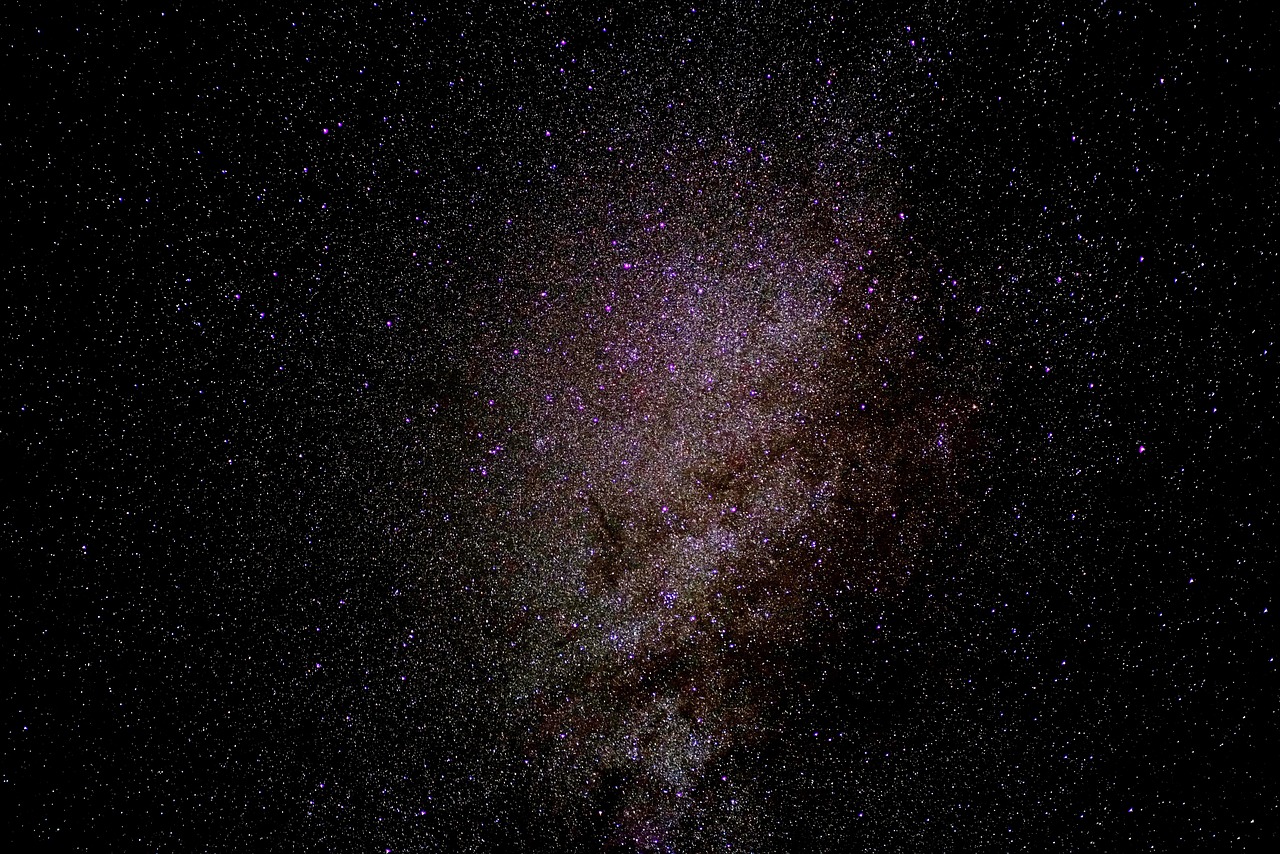
Stargazing has captivated humanity for millennia, and the right binoculars can transform a casual glance at the night sky into an extraordinary celestial adventure. ✨

Whether you’re a beginner taking your first steps into astronomy or an experienced observer seeking portable convenience, understanding binocular specifications is crucial for unlocking the universe’s hidden treasures. The market offers countless options, each with different numbers and features that can seem overwhelming at first glance. However, once you grasp what these specifications mean and how they impact your viewing experience, choosing the perfect pair becomes significantly easier.
🔭 Understanding the Numbers: What Binocular Specifications Really Mean
When you look at any pair of binoculars, you’ll notice numbers like “10×50” or “7×35” prominently displayed. These aren’t random figures—they’re the fundamental specifications that determine how the binoculars will perform under the stars. The first number represents magnification power, while the second indicates the diameter of the objective lenses in millimeters.
Magnification tells you how many times closer an object will appear compared to your naked eye. A 10x magnification means celestial objects appear ten times larger. The objective lens diameter is equally important because it determines how much light the binoculars can gather—a critical factor when observing faint stars, nebulae, and galaxies in the dark night sky.
The Exit Pupil: Your Gateway to Comfortable Viewing
The exit pupil is calculated by dividing the objective lens diameter by the magnification. For 10×50 binoculars, the exit pupil would be 5mm (50÷10=5). This measurement matters because it needs to match your eye’s pupil dilation in darkness, which typically ranges from 5mm to 7mm for most adults, decreasing with age.
An exit pupil of 5mm to 7mm is ideal for astronomy, ensuring you utilize all the gathered light. If the exit pupil is too small, your eyes won’t receive the full brightness potential. If it’s too large, you’re carrying unnecessary weight without visual benefits.
🌟 Best Magnification Ranges for Astronomical Observation
Contrary to intuition, higher magnification isn’t always better for stargazing. The sweet spot for handheld astronomical binoculars typically falls between 7x and 10x magnification. This range provides several advantages that make your stargazing experience more enjoyable and productive.
Seven-power binoculars offer exceptional stability when held by hand, a wider field of view that makes locating celestial objects easier, and brighter images due to their larger exit pupils. They’re particularly excellent for scanning the Milky Way, observing large star clusters, and tracking satellites or the International Space Station as it passes overhead.
Ten-power binoculars represent the upper limit for comfortable handheld use. They provide more detail on the Moon’s craters, better resolution of double stars, and closer views of planetary conjunctions. However, they amplify hand tremors more noticeably, which can become tiring during extended viewing sessions.
When Higher Magnification Makes Sense
Magnifications beyond 10x—such as 15x, 20x, or even 25x—can be valuable for astronomy, but they require tripod mounting for stable viewing. These higher powers excel at observing specific targets like Jupiter’s moons, Saturn’s rings, or detailed lunar features, but they sacrifice field of view and light-gathering efficiency.
💡 Objective Lens Diameter: Gathering Starlight Effectively
The objective lens diameter directly correlates with how much light your binoculars can collect. Since most celestial objects are extraordinarily faint, larger objectives provide significant advantages. However, size comes with trade-offs in weight and portability that deserve careful consideration.
Binoculars with 50mm objectives represent an excellent compromise for most stargazers. They gather substantially more light than smaller models while remaining reasonably portable. A pair of 10×50 binoculars typically weighs between 700-900 grams, manageable for handheld use during sessions lasting 30-45 minutes.
Moving up to 70mm or 80mm objectives dramatically improves your ability to observe faint deep-sky objects like nebulae and galaxies. These larger binoculars reveal details invisible in smaller apertures, but they usually weigh 1.5-2.5 kilograms, making tripod mounting essential for comfortable viewing.
Giant Binoculars: Maximum Light Collection
Enthusiasts seeking the ultimate binocular astronomy experience often turn to giant models with 100mm or even 150mm objectives. These behemoths deliver telescopic views while maintaining the benefits of binocular vision—depth perception and the relaxed viewing that comes from using both eyes simultaneously. However, they’re essentially stationary instruments requiring robust mounting systems.
🎯 Field of View: Navigating the Cosmic Landscape
Field of view (FOV) indicates how much sky you can see at once, typically expressed in degrees or as the width in feet at 1,000 yards. A wider FOV makes locating celestial objects easier and provides more context for what you’re observing, which is particularly valuable when exploring unfamiliar star fields.
Lower magnifications naturally provide wider fields of view. Seven-power binoculars often deliver 7-9 degrees of true field, while 10x models typically range from 5-7 degrees. This difference might seem small numerically, but visually, it’s quite significant when you’re searching for a specific star cluster or trying to frame an entire constellation.
For navigating between stars and constellations, wider fields prove invaluable. They help you maintain orientation and recognize star patterns more easily. Conversely, narrower fields concentrate your attention on specific objects, which can be advantageous when examining detailed features on the Moon or observing tight star clusters.
🔍 Optical Quality: The Make-or-Break Factor
Specifications like magnification and aperture tell only part of the story. The quality of optical elements—lens coatings, prism types, and glass quality—fundamentally determines what you’ll actually see through your binoculars.
Prism Systems: Porro vs. Roof
Binoculars use prisms to correct the inverted image created by their objective lenses. The two main designs—Porro prisms and roof prisms—each offer distinct characteristics that affect performance and form factor.
Porro prism binoculars have a traditional zigzag shape with offset objective lenses. They typically deliver excellent optical performance at moderate price points because their simpler light path requires fewer optical corrections. These designs often provide superior three-dimensional perception, making them excellent for astronomy.
Roof prism binoculars feature a straight-through design with objectives aligned with eyepieces, creating a more compact, streamlined form. However, achieving comparable optical quality requires more sophisticated manufacturing, generally making them more expensive than equivalent Porro designs. Premium roof prism models with high-quality glass and coatings can deliver outstanding astronomical views.
Lens Coatings: Maximizing Light Transmission
Every air-to-glass surface in binoculars reflects some light, reducing brightness and contrast. Antireflection coatings minimize these losses, and the extent of coating application significantly impacts performance.
- Coated: At least one surface has a single-layer coating—inadequate for astronomy
- Fully Coated: All air-to-glass surfaces have single-layer coatings—minimal acceptable standard
- Multi-Coated: Some surfaces have multiple coating layers—good performance
- Fully Multi-Coated: All surfaces have multiple coating layers—optimal for stargazing
For astronomical use, fully multi-coated optics are strongly recommended. The difference in image brightness and contrast between basic coated optics and fully multi-coated versions is immediately apparent when observing faint celestial objects.
🌙 Top Binocular Specifications for Different Stargazing Goals
Different astronomical interests benefit from different specifications. Matching your binoculars to your primary observing goals ensures maximum satisfaction with your investment.
Casual Stargazing and Constellation Learning
If you’re primarily interested in learning constellations, observing bright star clusters, and scanning the Milky Way, 7×50 or 8×42 binoculars represent ideal choices. Their wide fields of view simplify navigation, while moderate magnification provides stable handheld viewing for extended periods. These specifications work beautifully for beginners and remain useful even as your skills advance.
Lunar and Planetary Observation
For detailed examination of the Moon’s craters, observing Jupiter’s moons, or watching planetary conjunctions, 10×50 binoculars offer the best handheld option. The increased magnification reveals more detail without becoming too shaky. For even better views, consider 15×70 models mounted on a tripod, which provide telescope-like detail while maintaining binocular comfort.
Deep-Sky Object Hunting
Pursuing faint nebulae, galaxies, and star clusters demands maximum light-gathering power. Binoculars in the 15×70 or 20×80 range excel at this application, though they absolutely require stable mounting. The combination of adequate magnification and large aperture reveals objects that remain invisible in smaller binoculars, opening up the fascinating realm of deep-sky astronomy.
📊 Comparing Popular Astronomy Binocular Specifications
| Specification | 7×50 | 10×50 | 15×70 | 20×80 |
|---|---|---|---|---|
| Exit Pupil | 7.1mm | 5mm | 4.7mm | 4mm |
| Typical FOV | 7-9° | 5-7° | 4-5° | 3-4° |
| Handheld Use | Excellent | Good | Difficult | Not Recommended |
| Weight Range | 600-900g | 700-1000g | 1.5-2.5kg | 2-3.5kg |
| Best For | Beginners | All-Around | Deep-Sky | Serious Observers |
🛠️ Essential Features Beyond Basic Specifications
While magnification and aperture form the foundation, several additional features significantly impact your stargazing experience and deserve consideration when selecting binoculars.
Tripod Adaptability
Even if you plan primarily handheld viewing, tripod adaptability provides valuable flexibility. A threaded socket allowing attachment to a standard tripod adapter eliminates fatigue during extended viewing sessions and dramatically steadies the image at 10x magnification and above. Most quality astronomy binoculars include this feature, but it’s worth verifying before purchase.
Eye Relief for Eyeglass Wearers
Eye relief—the distance between the eyepiece and your eye while still seeing the full field of view—matters tremendously if you wear eyeglasses. Astronomy often requires eyeglasses for those with astigmatism, which can’t be compensated by focusing. Look for at least 15mm of eye relief, with 17-20mm being ideal for comfortable viewing with glasses.
Waterproofing and Durability
Stargazing often involves exposure to dew, humidity, and nighttime temperature changes. Waterproof, nitrogen-purged binoculars resist internal fogging and protect sensitive optical elements from moisture damage. This protection ensures consistent performance and longevity, making it a worthwhile investment for serious stargazers.
🌌 Enhancing Your Experience: Accessories That Matter
The right accessories complement your binoculars, making stargazing sessions more comfortable and productive. While not strictly about specifications, these additions maximize the potential of whatever binoculars you choose.
A quality tripod or parallelogram mount transforms the experience of using larger binoculars. While entry-level photography tripods work for lighter models, heavier astronomical binoculars benefit from sturdier supports. Parallelogram mounts offer particularly smooth movement and maintain balance regardless of viewing angle.
A comfortable observing chair makes extended sessions far more enjoyable. Adjustable loungers designed for astronomy allow relaxed viewing at various angles, reducing neck strain. Combined with binoculars, they create an observation setup that encourages hours of exploration without physical discomfort.
💫 Making Your Final Decision: Balancing Specs and Reality
Understanding specifications empowers informed decisions, but the perfect binoculars ultimately depend on your specific circumstances, budget, and observing priorities. Consider these practical factors alongside technical specifications.
Budget Considerations
Quality astronomical binoculars span a wide price range, from under $100 to several thousand dollars. While premium models offer superior optical performance, excellent mid-range options exist that provide satisfying views without breaking the bank. For beginners, spending $150-400 typically delivers solid quality that will serve well for years.
Physical Comfort and Portability
Specifications might indicate a certain binocular is “best,” but if it’s too heavy for comfortable use or too bulky to transport regularly, it won’t fulfill its potential. Consider how and where you’ll observe. If you’re hiking to dark-sky sites, compact 8×42 binoculars might serve better than technically superior but heavier 15×70 models that remain in your closet.
Growth Potential
Your first binoculars don’t need to be your last. Many astronomers build collections suited to different purposes. Starting with versatile 10×50 binoculars provides an excellent foundation. As your interest develops, you can add specialized models—perhaps compact binoculars for travel or giant binoculars for deep-sky work—without your initial purchase becoming obsolete.
🎓 Learning the Sky: Maximizing Your Binocular Investment
Even the finest binoculars with optimal specifications deliver limited satisfaction without knowledge of what to observe. Fortunately, numerous resources help you navigate the night sky and locate fascinating targets perfect for binocular viewing.
Star charts and astronomy apps guide you to specific objects. Learning major constellations provides reference points for locating fainter targets. Many binocular astronomy books identify hundreds of objects specifically suited to binocular observation—star clusters, nebulae, and galaxies that shine beautifully in these instruments.
Joining astronomy clubs or attending star parties connects you with experienced observers who can share techniques and recommend targets. The community aspect enriches the hobby, transforming solitary observation into shared discovery and learning.

✨ Opening the Universe: Your Next Steps
Armed with knowledge about binocular specifications, you’re ready to select an instrument that will reveal the cosmos in stunning detail. The night sky contains countless wonders awaiting discovery—from the Moon’s cratered landscape to distant star clusters forming jeweled patterns against the darkness.
Remember that the best binoculars are the ones you’ll actually use. Whether you choose portable 8×42 models for their convenience or invest in 15×70 giants for their light-gathering power, regular observation brings the greatest rewards. Each clear night offers opportunities to explore, discover, and connect with the universe beyond our world.
The specifications we’ve explored—magnification, aperture, exit pupil, field of view, and optical quality—provide a framework for informed decision-making. But ultimately, binoculars serve as bridges between you and the cosmos. Choose specifications that match your goals, invest in quality optics within your budget, and commit to learning the sky. The universe is waiting, vast and beautiful, ready to unfold its secrets through the twin portals of your binoculars. Clear skies and unforgettable stargazing adventures await! 🌠