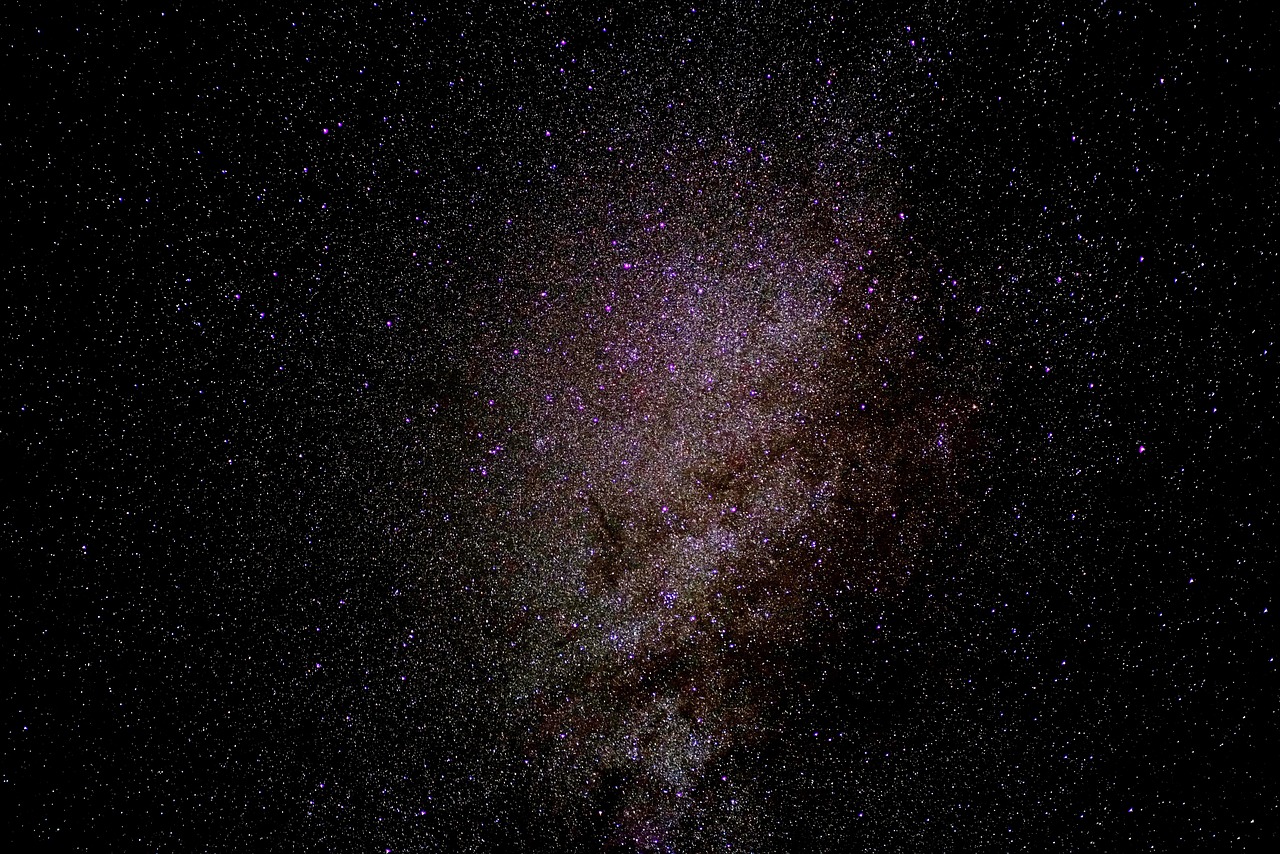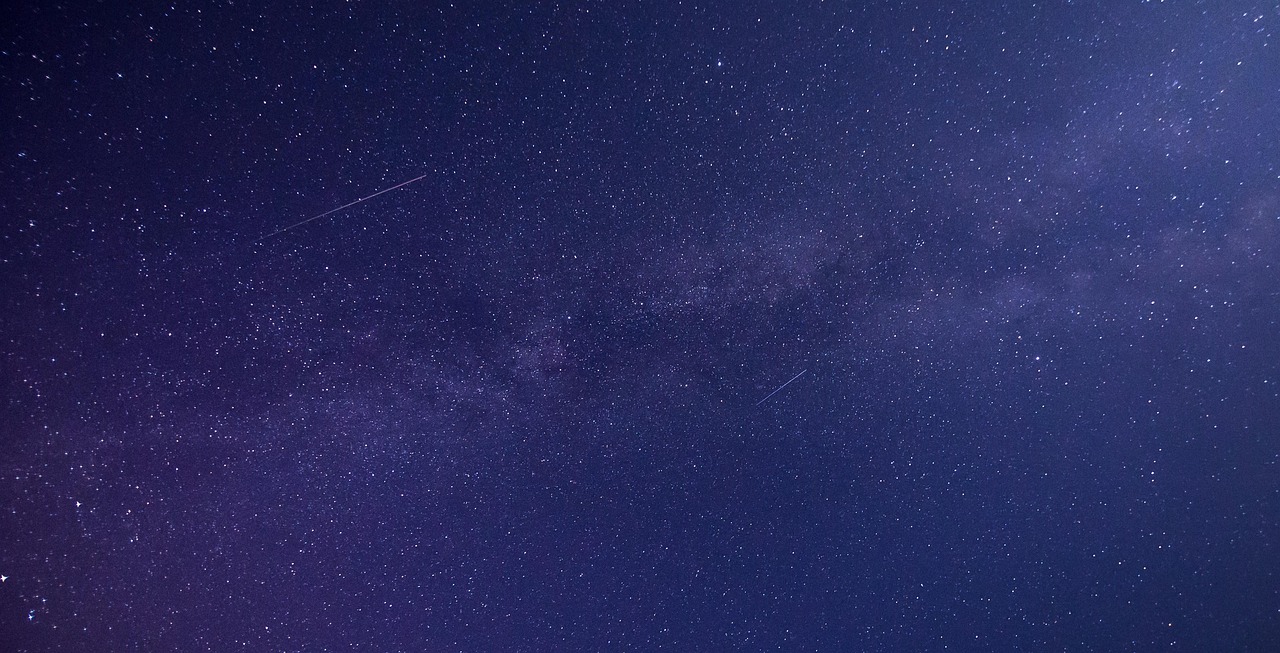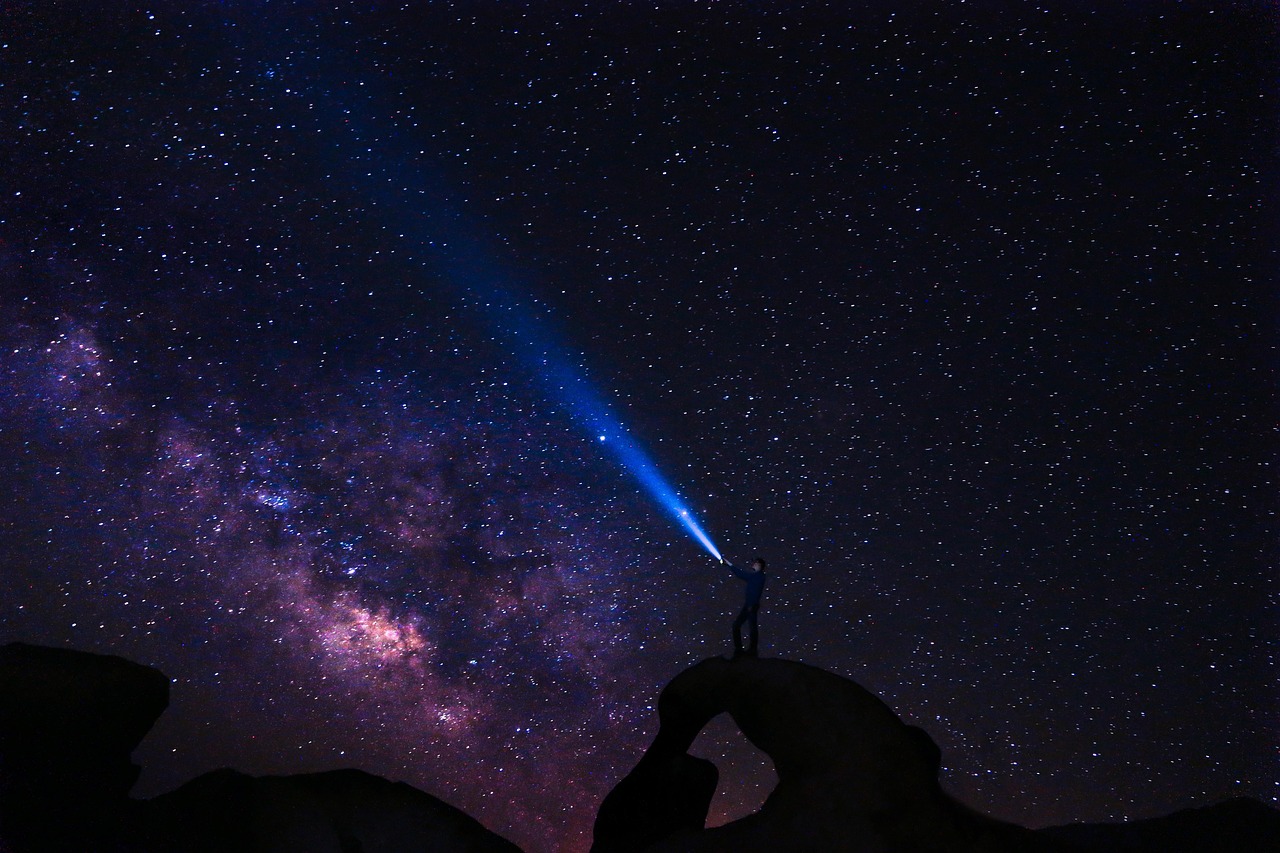
Looking up at the night sky has captivated humanity for millennia, and tonight offers you a spectacular opportunity to witness celestial wonders right from your location.

Even if you live in a bustling metropolis with significant light pollution, the brightest planets in our solar system shine with such intensity that they pierce through the urban glow, offering urban stargazers a connection to the cosmos. These brilliant celestial bodies are not just distant points of light—they’re entire worlds with their own atmospheres, moons, and mysteries waiting to be discovered. Whether you’re a seasoned astronomer or someone who simply enjoys gazing upward during an evening walk, understanding what you’re seeing transforms a casual glance into a profound experience.
🌟 Why Planets Shine Brighter Than Most Stars
The planets visible to the naked eye appear exceptionally bright for a fascinating reason: they reflect sunlight from our own star. Unlike distant suns that produce their own light through nuclear fusion, planets act like cosmic mirrors, bouncing the Sun’s rays back toward Earth. Their proximity to us—relatively speaking in astronomical terms—makes them appear significantly brighter than even the most luminous stars in our galaxy.
Venus, for instance, can cast shadows on the darkest nights and often gets mistaken for aircraft or UFOs due to its brilliant appearance. Jupiter, despite being much farther away, reflects so much light due to its massive size that it regularly ranks as one of the brightest objects in the night sky. This reflective quality, combined with their positions along the ecliptic path, makes planets distinguishable from stars through their steady light—they don’t twinkle like stars do.
The Best Planets to Spot From City Environments Tonight ✨
Not all planets are created equal when it comes to urban observation. Some shine so brilliantly that even the most severe light pollution cannot diminish their glory, while others require darker skies and more patience to locate.
Venus: The Evening or Morning Star
Venus reigns as the third-brightest object in our sky, surpassed only by the Sun and Moon. When visible, this planet appears as a brilliant white point of light, typically seen either just after sunset in the western sky or just before sunrise in the east. Its thick, reflective cloud cover bounces back about 70% of the sunlight that reaches it, creating its signature dazzling appearance.
City dwellers have the best chance of spotting Venus among all planets. It often appears so bright that people frequently report it to authorities as an unidentified flying object. The planet never strays far from the Sun in our sky due to its inner orbit, which means you’ll always find it relatively close to the horizon during twilight hours.
Jupiter: The Giant That Shines Through Pollution
Jupiter, the largest planet in our solar system, compensates for its greater distance with sheer size. This gas giant appears as a steady, bright yellowish-white point of light that easily penetrates urban light pollution. Even modest binoculars reveal Jupiter’s four largest moons—Io, Europa, Ganymede, and Callisto—arranged in a line on either side of the planet.
The king of planets typically remains visible for several months at a time, moving slowly against the background stars as it completes its 12-year orbit around the Sun. Its brightness remains relatively constant, making it a reliable target for city-based observers throughout its apparition.
Mars: The Red Wanderer
Mars varies dramatically in brightness depending on its position relative to Earth. During opposition—when Mars and Earth are closest—the Red Planet can rival Jupiter in brilliance and appears distinctly orange or reddish in color. This characteristic hue comes from iron oxide (rust) covering its surface, visible even through city lights.
During less favorable periods, Mars dims considerably and may challenge urban observers. However, its color remains its identifying feature, helping distinguish it from nearby stars or other planets even when it’s not at peak brightness.
Saturn: The Ringed Wonder
While not quite as bright as Venus or Jupiter, Saturn still shines prominently enough to be spotted from most city locations. It appears as a steady, golden-yellow point of light with a slightly dimmer magnitude than Jupiter. The planet’s famous rings, unfortunately, require a telescope to see, but simply knowing you’re looking at such a unique world adds meaning to the observation.
Saturn moves slowly through the zodiac constellations, taking approximately 29 years to complete one orbit. Its leisurely pace means it remains in the same general area of sky for extended periods, making it easy to relocate once you’ve identified it.
🔭 Tools and Apps to Enhance Your Planetary Observation
Modern technology has revolutionized amateur astronomy, putting powerful identification tools right in your pocket. Smartphone applications can now identify celestial objects in real-time, providing information about what you’re seeing and when to look for specific planets.
Star chart applications use your phone’s GPS and compass to create an accurate map of the sky above you at any given moment. Simply point your device toward the sky, and the app overlays constellation lines, planet positions, and other celestial objects onto your screen. This technology eliminates guesswork and accelerates the learning process for beginning observers.
These applications also provide notifications about upcoming astronomical events, such as planetary conjunctions, meteor showers, and optimal viewing times for specific objects. Many include augmented reality features that overlay information directly onto your camera view, creating an immersive educational experience.
Understanding Planetary Movements and Positions 🌍
Planets don’t remain stationary in our sky—they move relative to the background stars, following predictable paths along the ecliptic. The ecliptic represents the plane of Earth’s orbit around the Sun, and because all planets orbit in roughly the same plane, they appear to travel along this same path across our sky.
This movement occurs because we’re observing from a moving platform—Earth itself. As our planet orbits the Sun, our perspective on the other planets constantly changes. Sometimes planets appear to move eastward against the stars (direct motion), while at other times they seem to reverse course and move westward (retrograde motion). This retrograde motion confused ancient astronomers but makes perfect sense once you understand the geometry of orbits.
The Zodiac Connection
The zodiac constellations mark the ecliptic path, which is why planets always appear somewhere within these twelve constellation boundaries. If someone tells you they saw Jupiter in Ursa Major or Saturn in Orion, they’re mistaken—planets stick to the zodiac highway. This knowledge helps you narrow your search area considerably when hunting for planets.
Learning to recognize zodiac constellations provides a framework for locating planets throughout the year. Once you know where Taurus, Gemini, or Sagittarius appear during different seasons, you’ll have reference points for finding planetary visitors within those regions.
Optimal Viewing Times for City-Based Planet Watchers ⏰
Timing significantly impacts your success in observing planets from urban environments. The period just after sunset and just before sunrise—known as twilight—often provides the best combination of dark sky and planet visibility, especially for Venus and Mercury.
For planets like Jupiter, Saturn, and Mars, the best viewing occurs when they reach their highest point in the sky, a moment called culmination or transit. At this position, you’re looking through the least amount of atmosphere and urban pollution, resulting in clearer, steadier views. This typically happens around midnight for planets at opposition, but varies throughout the year.
Seasonal Variations Matter
Planet visibility changes with seasons because Earth’s orbital position determines which parts of the ecliptic are visible at night. Jupiter might dominate winter evening skies one year, then shift to summer morning appearances. Saturn follows its own schedule, gradually progressing through the zodiac over its lengthy orbital period.
Consulting astronomical calendars or using prediction apps helps you plan observations around optimal viewing windows. Some periods offer multiple planets visible simultaneously, creating spectacular celestial gatherings worth staying up late to witness.
🌃 Strategies for Beating Light Pollution
While you can’t eliminate urban light pollution, strategic choices dramatically improve your viewing success. Position yourself away from direct streetlights, building lights, and illuminated signs. Even moving a few blocks to a slightly darker location makes a noticeable difference.
Parks, waterfronts, and elevated positions often provide darker pockets within cities. Rooftops can be excellent if accessible, raising you above some street-level illumination. The key is finding locations where less light directly enters your eyes, allowing your pupils to dilate more fully.
Let Your Eyes Adapt
Dark adaptation takes approximately 20-30 minutes for maximum effect. During this time, your eyes become increasingly sensitive to faint light. While bright planets remain visible without adaptation, allowing your eyes to adjust reveals more subtle details and helps you notice fainter celestial objects nearby.
Avoid looking at phone screens or other bright lights during this adaptation period. If you must check a star chart or app, use red-light mode or cover your screen with red cellophane, which preserves your night vision better than white light.
What You Can Actually See: Managing Expectations 👀
Naked-eye planet observation from cities reveals these worlds as bright, steady points of light—not the detailed disks shown in photographs. This is perfectly normal and still rewarding. The realization that you’re seeing actual sunlight reflected from another world, traveling across millions of miles of space to reach your eyes, provides perspective that transcends visual detail.
With binoculars, possibilities expand considerably. Jupiter’s four Galilean moons become visible, appearing as tiny points arranged near the planet. Venus shows phases like our Moon, appearing as a crescent or gibbous shape rather than a full disk. Saturn’s elongated shape hints at its rings, though they won’t show clearly without higher magnification.
Binoculars: The Underrated Astronomy Tool
Before investing in a telescope, quality binoculars offer tremendous value for planetary and general sky observation. Models around 7×50 or 10×50 provide good magnification while maintaining a wide field of view and gathering significant light. They’re portable, intuitive to use, and serve double-duty for terrestrial viewing.
Binoculars reveal details invisible to the naked eye while remaining simple enough for spontaneous observations. They bridge the gap between casual naked-eye viewing and serious telescopic work, often rekindling interest in astronomy for people who tried telescopes and found them frustrating.
📱 Capturing Planets With Your Smartphone
Modern smartphones have surprisingly capable cameras that can record bright planets, though don’t expect NASA-quality results. Venus and Jupiter photograph reasonably well using night mode or manual settings that allow longer exposures.
Stabilization is crucial—even small movements blur planetary images during the exposure times required for night photography. Use a tripod or brace your phone against a solid surface. Disable any image stabilization features, as they can introduce blur rather than prevent it during long exposures with a stabilized phone.
The primary value of smartphone astrophotography isn’t creating stunning images but rather documenting your observations and creating memory markers for your astronomical journey. Photos help you remember when you first spotted Jupiter’s moons or witnessed a planetary conjunction, building a personal archive of celestial experiences.
Planetary Phenomena Worth Watching For 🌠
Beyond simply spotting individual planets, certain configurations create especially memorable viewing opportunities that appeal even to non-astronomers.
Planetary Conjunctions
When two or more planets appear close together in the sky, astronomers call this a conjunction. These celestial gatherings occur because planets follow similar paths along the ecliptic, occasionally overtaking each other from our perspective. Conjunctions involving Venus and Jupiter can be particularly spectacular, as the two brightest planets create a dramatic pairing.
Close conjunctions attract attention even from people who never normally look up, as planets approach within a few degrees or even less than a single degree of separation. These events are photographable with smartphones and make excellent opportunities to introduce friends or family to astronomy.
Planets Near the Moon
The Moon frequently passes near bright planets during its monthly journey around Earth. These pairings create beautiful scenes that combine the Moon’s familiar face with a brilliant planetary companion. The configurations are temporary, usually lasting only a night or two, which adds urgency and excitement to observations.
Lunar-planetary pairings often generate social media buzz, as people worldwide photograph and share images of the spectacle. These events democratize astronomy, requiring no special knowledge or equipment to appreciate.
Building Your Observational Skills Over Time 📚
Planetary observation rewards patience and regular attention. Start by learning to identify one planet confidently, then gradually expand your repertoire. Over weeks and months, you’ll notice planets moving against background stars, changing brightness, and appearing in different parts of the sky.
Keep a simple observation log, noting when and where you saw each planet, weather conditions, and any interesting features noticed. This record helps you recognize patterns, predict future appearances, and measure your growing astronomical literacy. The log need not be elaborate—simple notes in a smartphone or notebook suffice.
Connecting With the Astronomy Community
Local astronomy clubs welcome beginners and often host public observing sessions where experienced members share their telescopes and knowledge. These gatherings accelerate learning by providing hands-on access to equipment and direct answers to your questions. Urban clubs specifically understand the challenges of city-based observing and offer targeted advice.
Online communities also provide support, with forums and social media groups dedicated to planetary observation. Sharing your sightings, asking questions, and viewing others’ experiences creates connections with fellow sky enthusiasts worldwide, reinforcing your interest and expanding your knowledge.
🌌 The Deeper Meaning of Planetary Observation
Beyond the technical aspects of finding and identifying planets, regular sky observation fosters a connection with the cosmos that enriches daily life. In our increasingly indoor, screen-focused culture, deliberately stepping outside to look upward provides a counterbalance—a moment of perspective and wonder.
Planets remind us that Earth is not isolated but part of a dynamic solar system where worlds of immense scale orbit in precise, predictable patterns. These ancient lights guided navigators, inspired philosophers, and sparked the scientific revolution. When you spot Jupiter or Venus tonight, you’re participating in a tradition spanning all human history and cultures.
The regularity of planetary appearances also creates anticipation and ritual. Checking whether Venus has emerged after sunset, monitoring Jupiter’s climb into evening visibility, or watching Mars brighten toward opposition gives structure to the passing seasons, connecting celestial cycles with the rhythm of your life.
Taking Your First Steps Tonight 🚶
You don’t need to wait for perfect conditions or extensive preparation to begin planetary observation. Tonight, as soon as darkness falls, step outside and look up. Identify the brightest non-twinkling points of light visible from your location—chances are excellent that at least one will be a planet.
Start simple: learn which planet you’re seeing, note its position relative to any bright stars or Moon if present, and spend a few minutes just looking. Consider what you’re actually seeing—light that left the Sun, traveled to that distant world, reflected off its atmosphere or surface, then crossed space to reach your eyes. Each photon carried information about that planet directly to you.
Return the following night and notice how the planet’s position has shifted slightly. This movement, subtle yet certain, reveals the cosmic dance occurring all around us, usually unnoticed. Over weeks, these small changes accumulate into obvious positional shifts, making planetary motion apparent even to casual observers.
The night sky offers free entertainment, education, and inspiration to anyone willing to look up. Planets shine as accessible entry points into astronomy, bright enough to see from anywhere yet mysterious enough to reward deeper investigation. Tonight presents another opportunity to explore these wandering worlds—all you need to do is step outside and raise your eyes to the heavens above. ✨