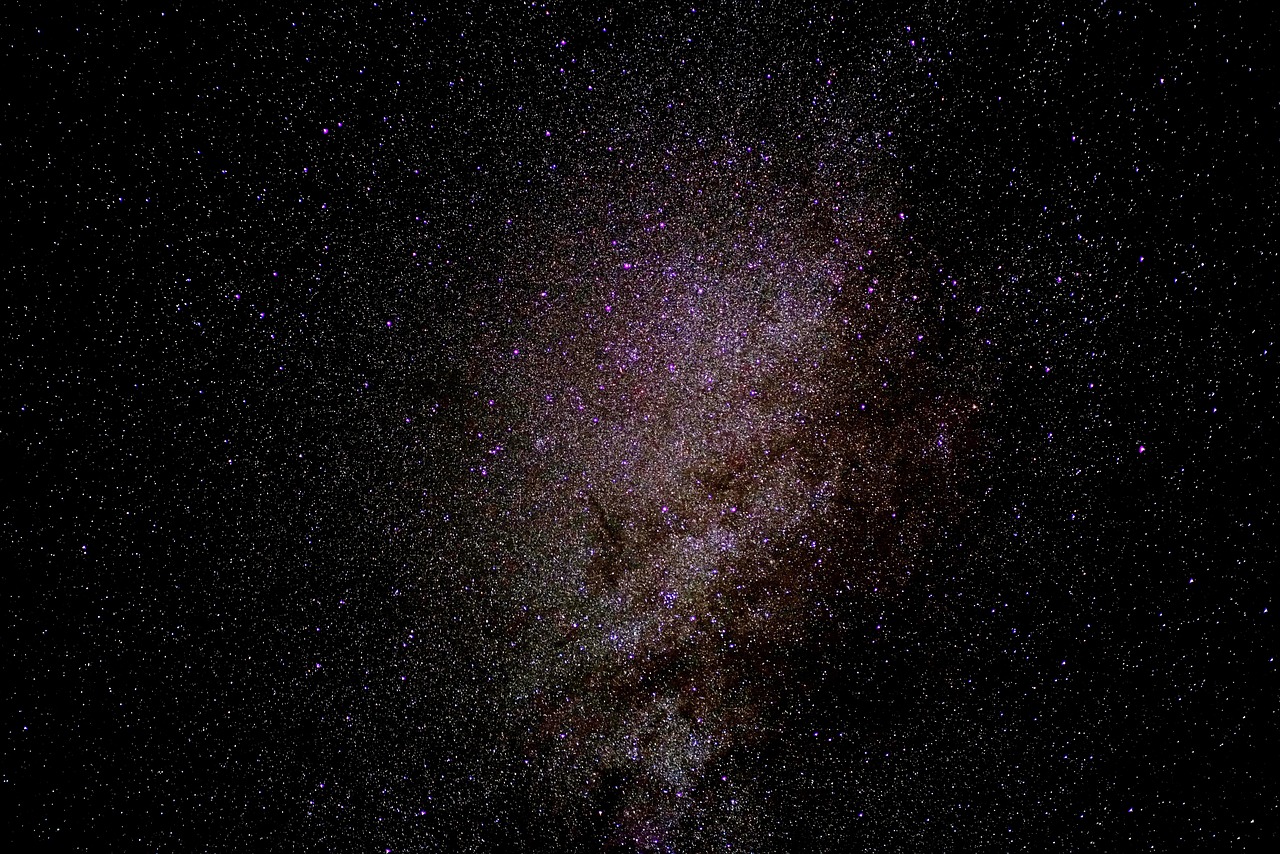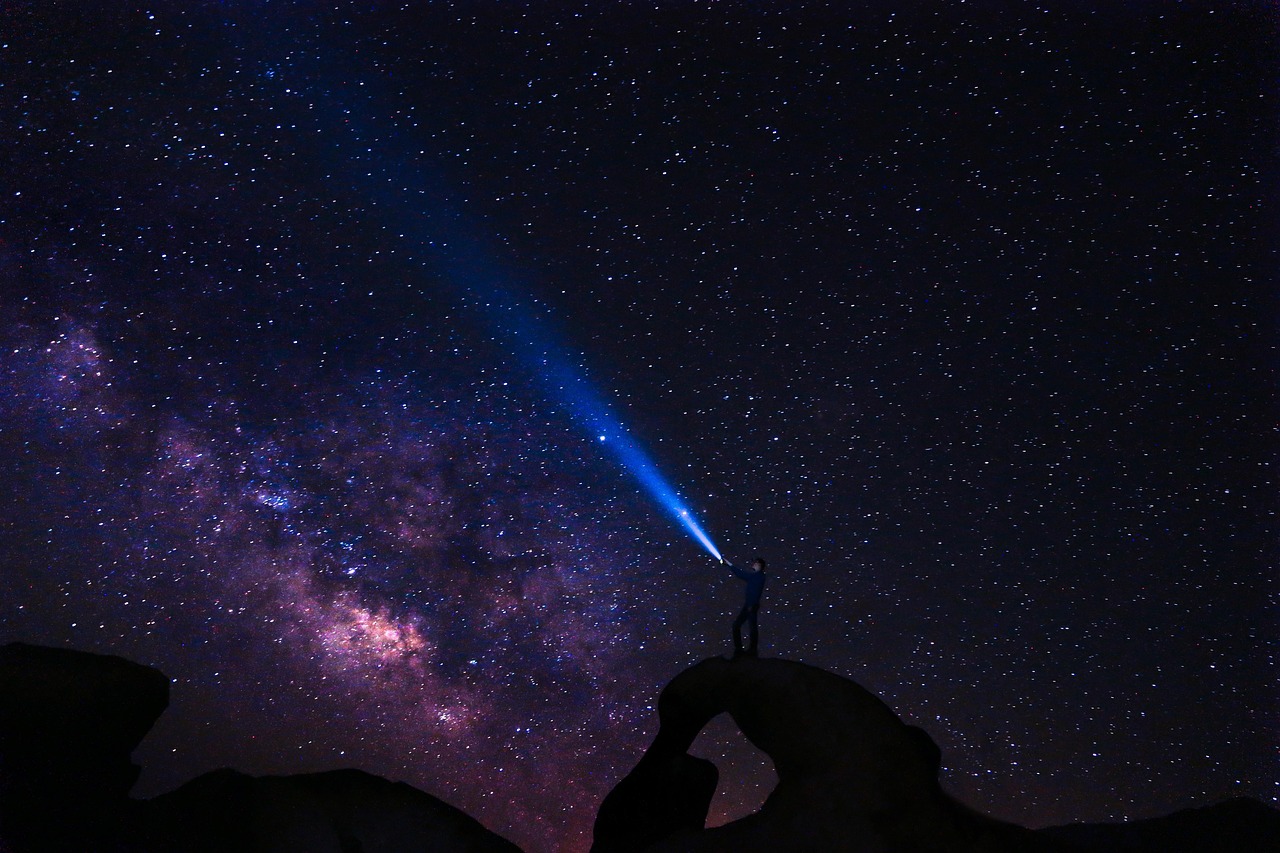
City lights don’t have to dim your stargazing dreams. Urban astronomy offers unique opportunities to explore celestial wonders right from your backyard, balcony, or local park, bringing the cosmos closer than you might imagine.

While light pollution presents challenges for amateur astronomers in metropolitan areas, modern techniques and strategic target selection make it entirely possible to enjoy meaningful stargazing sessions without traveling to remote dark-sky locations. Understanding which celestial objects shine brightest through urban skies transforms city-dwelling into an advantage rather than an obstacle for your astronomical pursuits.
🌃 Why Urban Stargazing Deserves Your Attention
The misconception that quality stargazing requires pristine dark skies prevents millions of city residents from experiencing the wonder of astronomy. Urban environments actually offer consistent accessibility, allowing spontaneous observation sessions whenever weather permits. Instead of planning elaborate trips to dark-sky reserves, you can simply step outside and begin exploring.
Light pollution, while diminishing visibility of faint deep-sky objects, simultaneously creates a natural filter that highlights the brightest and most impressive celestial targets. This curated selection simplifies the learning process for beginners who might otherwise feel overwhelmed by the thousands of objects visible under truly dark skies.
Essential Equipment for City Sky Observation
Starting your urban stargazing journey requires surprisingly minimal investment. Your naked eyes remain your most important tool, capable of identifying major constellations, bright planets, and spectacular conjunctions without any equipment whatsoever. Adapting your vision to darkness, even limited darkness, takes approximately 20-30 minutes and significantly improves what you can observe.
Binoculars represent the perfect first optical instrument for city observers. A quality pair rated 7×50 or 10×50 provides excellent light-gathering capability while remaining portable and easy to use. These magnifications work beautifully for scanning the Moon’s craters, resolving Jupiter’s moons, and capturing star clusters that appear as fuzzy patches to unaided eyes.
Small telescopes with apertures between 4 to 8 inches perform admirably in urban settings when focused on appropriate targets. Refractor and compound telescope designs handle light pollution better than reflectors due to their closed tube designs that block stray light. Portability matters considerably when you might need to relocate to slightly darker locations within your neighborhood.
⭐ Prime Star Hopping Targets for Urban Astronomers
Star hopping represents the traditional navigation method astronomers use to locate celestial objects by following patterns between visible stars. This technique works exceptionally well in cities where computerized star charts might struggle with alignment due to limited reference stars.
The Moon: Your Gateway Celestial Object
Earth’s natural satellite provides endless fascination for urban observers and remains spectacularly visible regardless of light pollution levels. The Moon actually appears too bright for comfortable viewing during full phase, making city observing sessions during crescent and quarter phases particularly rewarding.
Begin your lunar exploration along the terminator line—the boundary between lunar day and night—where shadows create dramatic relief highlighting craters, mountains, and valleys. Major features like Mare Tranquillitatis, Copernicus Crater, and the Apennine Mountains reveal stunning details even through modest binoculars.
Jupiter and Saturn: Planetary Giants Within Reach
Gas giant planets shine brilliantly enough to penetrate even severe light pollution, making them ideal urban targets. Jupiter’s cloud bands and Great Red Spot become visible through telescopes with 100x magnification, while its four Galilean moons appear readily in binoculars.
Saturn’s magnificent ring system represents one of astronomy’s most breathtaking sights, accessible to urban observers with telescopes as small as 60mm aperture. The rings’ tilt changes throughout Saturn’s 29-year orbit, creating varying perspectives that keep this planet perpetually interesting.
Venus and Mars: Rocky World Neighbors
Venus blazes as the brightest planet, often mistaken for aircraft landing lights by uninformed observers. Through telescopes, Venus displays phases similar to Earth’s Moon, transitioning from crescent to gibbous shapes as it orbits the Sun. These phase changes captivated Galileo and continue mesmerizing modern observers.
Mars presents a challenging but rewarding target during favorable oppositions when it approaches Earth closely. Its distinctive orange-red color identifies it easily, while patient observation through steady moments of atmospheric seeing reveals polar ice caps and dark albedo features across its surface.
🔭 Deep-Sky Objects That Defy Light Pollution
While faint galaxies and nebulae become invisible under city skies, several deep-sky objects possess sufficient brightness and surface area to remain observable from urban locations. These targets reward patient observers with glimpses of the universe beyond our solar system.
The Orion Nebula (M42)
This stellar nursery located in Orion’s sword remains visible even from brightly lit cities, appearing as a fuzzy patch to naked eyes and revealing spectacular structure through binoculars or telescopes. As one of the closest star-forming regions to Earth, M42 displays greenish hues and wispy nebulosity that photographs magnificently even with basic equipment.
The Pleiades Star Cluster (M45)
Also known as the Seven Sisters, this open cluster contains dozens of hot blue stars concentrated in a small region of Taurus. While rural observers count numerous members, city stargazers typically identify 6-10 bright stars forming a distinctive dipper-like shape. Binoculars transform this cluster into a jewel box of stellar brilliance.
The Andromeda Galaxy (M31)
Despite being our nearest large galactic neighbor, Andromeda challenges urban observers due to its large apparent size and relatively low surface brightness. Under moderately light-polluted skies, it appears as an elongated smudge through binoculars. Locating this galaxy represents a significant achievement for city-based astronomers and rewards persistence with glimpses across 2.5 million light-years of space.
Double Stars and Stellar Jewels
Binary star systems provide outstanding targets immune to light pollution since they concentrate brightness into point sources. Albireo in Cygnus displays beautiful color contrast with its golden primary and blue companion. Mizar and Alcor in Ursa Major form a naked-eye double that splits into further components through telescopes.
Smartphone Apps Enhancing Your Urban Experience
Modern technology revolutionizes urban stargazing by providing real-time information about celestial object positions, identification assistance, and notifications about special astronomical events. Quality astronomy apps function as portable planetariums in your pocket.
SkySafari stands among the most comprehensive astronomy applications, offering detailed information about hundreds of thousands of celestial objects with augmented reality features that overlay constellation patterns onto your actual sky view. The app calculates optimal viewing times for specific targets based on your location.
Stellarium Mobile transforms your device into a virtual telescope, displaying accurate sky maps that update as you move your phone across the sky. This free application includes realistic representations of planets, deep-sky objects, and satellites, making object identification effortless for beginners.
🌟 Strategic Timing for Maximum Urban Visibility
When you observe matters tremendously in urban environments where artificial lighting remains constant but astronomical conditions vary dramatically. Atmospheric transparency, astronomical twilight, and seasonal celestial positions all influence target visibility from city locations.
The hours immediately following sunset and preceding sunrise offer the darkest urban skies as businesses close and streetlights reach minimum intensity. During summer months, astronomical twilight extends late into evening, limiting true darkness in cities at northern latitudes. Winter compensates with longer nights and clearer atmospheric conditions produced by cold, dry air masses.
Moon phase planning proves essential for urban deep-sky observation. While lunar viewing thrives under streetlights, observing faint objects requires moonless nights when our satellite doesn’t add its considerable illumination to existing light pollution. New moon periods plus several days on either side provide optimal windows for challenging targets.
Conquering Light Pollution Through Smart Techniques
Light pollution reduction strategies significantly improve your observing experience without requiring relocation to dark-sky sites. Positioning yourself strategically relative to light sources creates localized darkness pockets with measurably improved sky conditions.
Physical barriers blocking direct light rays from reaching your eyes make dramatic differences. Standing behind buildings, using privacy fences as shields, or observing from shadowed areas within parks exploits existing infrastructure to create artificial darkness. Even holding a cardboard shield between your face and nearby streetlights reduces glare substantially.
Elevation provides natural light pollution reduction as you rise above some emission sources and reduce atmospheric thickness through which you observe. Rooftop locations, hilltops within urban areas, or upper-floor balconies all offer improved conditions compared to ground-level observation points surrounded by buildings.
📅 Creating Your Urban Observing Schedule
Consistency transforms casual sky watching into meaningful astronomical education. Establishing regular observing sessions, even brief 15-minute reviews, builds familiarity with celestial patterns and develops skills progressively over time.
Monthly Moon tracking represents an accessible long-term project that requires no equipment beyond your eyes. Photographing lunar phases with smartphone cameras creates visual records documenting the 29.5-day synodic cycle. Over several months, you’ll witness libration effects that slightly vary the visible lunar surface.
Planetary apparitions follow predictable schedules published years in advance, allowing you to anticipate optimal viewing periods when specific planets reach opposition or maximum elongation. Jupiter opposition occurs annually with month-long optimal viewing windows. Saturn, with its longer orbital period, presents prime observing opportunities roughly every 12.5 months.
🔍 Advanced Urban Star Hopping Techniques
Mastering star hopping transforms you from casual observer into skilled navigator of the night sky. This traditional technique relies on pattern recognition and angular distance estimation, skills that develop naturally through practice and remain valuable regardless of technological advances.
Beginning with prominent asterisms provides reliable starting points for navigation sequences. The Big Dipper’s pointer stars lead directly to Polaris. Orion’s belt stars extend toward Sirius in one direction and Aldebaran in the other. These fundamental hops become automatic over time, freeing your attention for locating more challenging targets.
Angular distance estimation using your hand at arm’s length provides a surprisingly accurate measurement tool. Your pinky finger covers approximately 1 degree, your closed fist spans roughly 10 degrees, and your fully spread hand from thumb to pinky extends about 25 degrees. These measurements translate star chart distances into observable sky separations.
Community Resources and Urban Astronomy Clubs
Joining local astronomy organizations accelerates learning dramatically through shared knowledge, equipment access, and group observing sessions. Most major cities host active astronomy clubs that welcome beginners enthusiastically and organize urban observing events specifically designed around light pollution limitations.
Public star parties hosted by these organizations typically occur in accessible city parks or educational institutions, bringing telescopes and experienced observers together for community education. These events provide opportunities to view through various equipment types before making purchase decisions and to learn star hopping from skilled practitioners.
Online astronomy communities supplement local organizations with 24/7 access to expertise, observing reports, and equipment advice. Forums dedicated to urban astronomy specifically address the unique challenges city observers face and celebrate achievements that might seem modest under dark skies but represent significant accomplishments from metropolitan locations.
⚡ Weather Watching for Urban Stargazers
Atmospheric conditions impact urban observing more severely than dark-sky site sessions because you begin with compromised visibility that atmospheric turbulence further degrades. Learning to read weather patterns and forecast seeing conditions prevents wasted setup time and identifies exceptional observing opportunities.
Clear skies alone don’t guarantee quality observing sessions. Atmospheric stability, measured as “seeing,” determines whether planetary details remain sharp or swim in turbulent air. Nights following cold front passages often deliver exceptional transparency but poor seeing. Stable high-pressure systems provide moderate transparency with excellent seeing for planetary observation.
Temperature inversions trap urban air pollution near ground level, significantly worsening light pollution effects. Windy conditions disperse this trapped haze, often improving sky darkness noticeably despite unchanged artificial lighting. Monitoring local air quality indices provides indirect predictions about optical transparency.
Building Your Urban Astronomy Skills Progressively
Developing genuine astronomical literacy requires patient progression from fundamental observations toward increasingly sophisticated projects. This journey remains accessible regardless of your starting location, with urban environments offering unique advantages for systematic learning approaches.
Constellation recognition forms the foundation of all astronomical knowledge, providing the framework onto which you’ll attach specific object locations and mythological context. Focus on mastering 6-8 prominent constellations per season rather than attempting to learn all 88 simultaneously. Seasonal changes naturally reinforce this learning as familiar patterns rise and set with Earth’s orbital progression.
Sketching observed objects develops crucial attention to detail that casual viewing misses entirely. Drawing lunar craters, planetary features, or deep-sky object structures forces careful observation and creates permanent records documenting your improving skills. These sketches become treasured possessions as your abilities advance.

✨ Embracing Urban Astronomy’s Unique Rewards
City stargazing cultivates appreciation for celestial beauty under challenging conditions, creating deeper connection to those accessible wonders that shine through despite obstacles. The convenience of backyard astronomy encourages frequent sessions that dark-sky trips cannot match, building expertise through repetition impossible with infrequent travel.
Urban observers develop heightened sensitivity to sky quality variations, recognizing subtle improvements that rural astronomers might overlook. A Bortle 7 sky becomes your baseline, making occasional Bortle 5 conditions feel miraculous. This perspective cultivates gratitude for any astronomical observation opportunity.
The greatest reward lies in sharing astronomical wonders with neighbors, friends, and passersby who’ve never considered looking upward. Your urban telescope becomes an ambassador for science, inspiring others to discover that they too can connect with the cosmos without leaving their city. These moments of shared wonder justify every challenge light pollution presents.