Urban skywatching transforms ordinary city nights into extraordinary celestial adventures. With the right timing and moon phase knowledge, even light-polluted skies can reveal remarkable astronomical wonders above your neighborhood.

The moon serves as both a gateway and a guide for urban astronomy enthusiasts. Understanding its phases unlocks opportunities to observe not just our natural satellite, but also planets, stars, and deep-sky objects that become visible when lunar conditions align perfectly with your skywatching goals.
🌙 Why Moon Phases Matter for Urban Astronomy
The moon’s brightness dramatically affects what you can see in city skies. Unlike rural observers who enjoy naturally dark conditions, urban skywatchers must strategically plan around lunar cycles to maximize their viewing experiences. The moon’s reflected sunlight can either enhance or obscure celestial targets depending on its phase and your observational objectives.
Light pollution already challenges city-based astronomers, washing out fainter astronomical objects. Adding a bright moon to already illuminated skies creates additional obstacles. However, certain moon phases actually benefit specific types of observations, making lunar timing essential knowledge for any serious urban skywatcher.
The New Moon: Your Gateway to Deep-Sky Treasures
The new moon phase represents the holy grail for urban deep-sky observers. During this period, the moon rises and sets with the sun, leaving nights completely moonless. This darkness allows even city dwellers to glimpse objects normally invisible under urban light domes.
During new moon periods, star clusters, nebulae, and galaxies emerge from the background glow. The Andromeda Galaxy becomes detectable with binoculars, while the Pleiades star cluster sparkles brilliantly overhead. Urban observers can even spot the Orion Nebula’s fuzzy glow without optical aid during particularly clear new moon nights.
Maximizing New Moon Opportunities
Plan your deep-sky observations for the three nights surrounding the actual new moon date. This window provides optimal darkness while the moon remains below the horizon or presents minimal illumination. Research your targets beforehand, noting their positions and optimal viewing times.
Consider traveling to your city’s darkest accessible location during new moon phases. Parks on urban peripheries, elevated parking structures, or waterfront areas often provide marginally darker skies that significantly improve observations when combined with moonless conditions.
Crescent Phases: The Photographer’s Paradise 🌒
Thin crescent moons create stunning photographic opportunities that perfectly blend urban landscapes with celestial beauty. These phases occur shortly after new moon (waxing crescent) and just before new moon (waning crescent), offering unique aesthetic possibilities unavailable during other lunar cycles.
The slender crescent provides enough light to silhouette buildings and landmarks without overwhelming the scene. Earthshine—sunlight reflected from Earth onto the moon’s dark portion—becomes visible, creating the “old moon in the new moon’s arms” phenomenon that photographers cherish.
Capturing Urban Crescent Magic
Waxing crescents appear in western skies during evening twilight, perfect for after-work observation sessions. Position yourself where interesting urban architecture frames the delicate lunar sliver. The contrast between modern cityscapes and ancient celestial rhythms creates compelling visual narratives.
Waning crescents grace pre-dawn eastern skies, offering quieter, less crowded observation opportunities. Early morning urban environments possess different atmospheric qualities—clearer air, less heat shimmer, and often more dramatic color palettes as sunrise approaches.
First and Last Quarter: Learning the Lunar Landscape
Quarter moon phases illuminate exactly half the lunar disk, creating dramatic shadows along the terminator—the boundary between lunar day and night. These shadows accentuate craters, mountains, and valleys, transforming the moon into a three-dimensional world rather than a flat disk.
For urban observers, quarter moons provide excellent compromise conditions. The moon offers spectacular telescopic views while rising or setting at convenient times—first quarter around sunset, last quarter near sunrise. Additionally, moderate moonlight doesn’t completely overwhelm other celestial objects.
Telescopic Exploration During Quarter Phases
Even modest telescopes or quality binoculars reveal incredible lunar detail during quarter phases. Focus on the terminator region where relief features cast the longest shadows. Craters like Copernicus, Tycho, and Plato become miniature worlds of mountains and shadows.
Quarter moons also permit planetary observations. Jupiter, Saturn, Mars, and Venus remain visible despite moderate moonlight, and their brightness easily overcomes the lunar glow. This makes quarter phases ideal for observers wanting both lunar and planetary experiences during single sessions.
🌕 Full Moon: Celebrating Lunar Glory
Full moons wash out deep-sky objects and frustrate serious astronomers, but they offer urban observers unique advantages. The fully illuminated moon provides spectacular naked-eye and photographic subjects while requiring no optical equipment beyond perhaps binoculars for enhanced views.
Urban environments actually complement full moon observations. City lights matter less when the moon itself outputs enough brightness to create shadows. Buildings, monuments, and skylines become natural compositional elements for full moon photography and casual observation.
Full Moon Urban Adventures
Organize moonrise or moonset viewings from strategic urban vantage points. Research exact moonrise times and azimuths to position yourself where the ascending moon aligns with architectural landmarks. The optical illusion making horizon moons appear enormous amplifies dramatically when framed by familiar structures.
Full moon walks through urban parks offer different perspectives on familiar landscapes. Shadows sharpen, textures emerge, and nighttime environments transform under lunar illumination. This accessible astronomy connects observers with celestial cycles without requiring equipment or technical knowledge.
Gibbous Phases: Balanced Viewing Opportunities
Waxing and waning gibbous moons—appearing more than half but less than fully illuminated—present compromise conditions for versatile urban skywatching. These phases provide substantial lunar detail while leaving some darker sky hours for other observations.
During waxing gibbous phases, early evening offers moonless dark skies before the moon rises, while late evening permits lunar observation. Waning gibbous phases reverse this pattern—observe the moon in early evening, then enjoy darker skies after moonset for other targets.
Strategic Timing During Gibbous Phases
Check precise moonrise and moonset times for your location during gibbous phases. Plan observations around these transitions, maximizing both lunar and deep-sky opportunities within single evenings. This efficient approach works particularly well for urban observers with limited time.
Gibbous moons also showcase fascinating lunar features near their terminators, particularly the lunar seas (maria) and highland regions. The angled illumination creates textural contrasts even without telescopes, making binocular observations rewarding.
Tools and Apps for Moon Phase Planning 📱
Modern technology simplifies moon phase tracking and observation planning. Numerous applications provide lunar calendars, rise/set times, phase information, and even augmented reality features showing exactly where the moon will appear at specific times.
Quality astronomy apps display moon phases weeks ahead, allowing advanced planning around optimal conditions. Many include notification features alerting you to upcoming new moons, full moons, or special lunar events like supermoons or eclipses.
Essential Features for Urban Observers
Look for applications offering location-specific data accounting for your local horizon and urban geography. Features displaying moon altitude and azimuth help predict whether buildings will obstruct views. Light pollution maps integrated with lunar calendars identify optimal observation locations for different phases.
Weather integration proves invaluable—knowing moon phases matters little without clear skies. Applications combining astronomical calculations with meteorological forecasts enable realistic planning, preventing wasted trips during cloudy conditions.
Seasonal Considerations for Urban Moon Watching 🍂
Moon phases interact with seasons, creating variable observing conditions throughout the year. Winter full moons trace high arcs across the sky, remaining visible longer and climbing well above typical urban obstructions. Summer full moons follow lower paths, sometimes barely clearing buildings and trees.
Seasonal atmospheric conditions also matter. Winter air typically offers superior transparency despite cold temperatures, making lunar details sharper and more contrasted. Summer heat creates atmospheric turbulence that softens lunar features but often provides more comfortable observation sessions.
Planning Around Seasonal Moon Behavior
Study how moon paths change seasonally from your specific urban location. High-rise buildings blocking summer moon views might perfectly frame winter crescents. Parks with western exposure excel during spring waxing phases, while eastern-facing waterfronts suit autumn waning observations.
Seasonal events create unique moon-watching opportunities. Harvest moons in autumn rise near sunset for several consecutive nights, providing extended observation windows. Winter solstice periods position crescent moons at their highest evening altitudes, improving visibility over urban horizons.
Equipment Recommendations for Phase-Specific Observations
Different moon phases demand different equipment approaches. New moon deep-sky observation benefits from modest telescopes or quality binoculars—light-gathering power matters more than magnification. Stable mounting proves essential for extended viewing under urban conditions where even slight vibrations blur faint objects.
Quarter and gibbous phases reward higher magnification for lunar surface details. Telescopes in the 4-8 inch aperture range provide excellent views without becoming unwieldy for urban transport and setup. Moon filters reduce glare during brighter phases, improving comfort and contrast.
Minimal Equipment for Maximum Enjoyment
Urban moon watching doesn’t require expensive equipment. Quality binoculars (7×50 or 10×50) reveal lunar features surprisingly well while remaining portable and affordable. Smartphone adapters for binoculars or telescopes enable basic astrophotography, documenting your observations and tracking lunar details over time.
For crescent and full moon photography, camera phones often suffice, particularly newer models with night modes. Tripods or stable surfaces prevent blur, while manual exposure control—available in most camera apps—allows proper moon brightness without over- or underexposure.
Creating Your Personal Lunar Observation Calendar 📅
Develop a customized observation schedule aligned with your goals and urban environment. Mark new moons for deep-sky attempts, quarter phases for telescopic lunar exploration, and full moons for photography projects. Note which phases offer evening versus morning opportunities based on your availability.
Track your observations across multiple lunar cycles. Patterns emerge—certain viewing locations work better during specific phases and seasons. This personalized knowledge transforms random skywatching attempts into strategic astronomical sessions with predictable success rates.
Documenting Your Urban Lunar Journey
Maintain observation logs noting moon phases, visibility conditions, equipment used, and objects observed. Photography naturally documents lunar phases, but written notes capture atmospheric quality, light pollution levels, and personal insights that images miss. This record becomes increasingly valuable as your skills develop.
Share observations with local astronomy groups or online communities. Urban skywatchers face similar challenges worldwide, and collective wisdom accelerates everyone’s learning. Your documented experiences might help others discover accessible observation sites or optimal phase timing they hadn’t considered.
Beyond the Moon: Phase-Dependent Opportunities ⭐
Understanding moon phases opens doors to comprehensive urban astronomy. New moon periods permit meteor shower observations—the Perseids, Geminids, and other annual displays become spectacular when moonless darkness amplifies even faint meteors against urban skies.
Planetary conjunctions gain dramatically when occurring during appropriate moon phases. Venus and Jupiter pairing near a crescent moon creates unforgettable scenes, while Mars opposition during new moon periods reveals maximum detail through telescopes without lunar interference.
Building Complete Astronomical Awareness
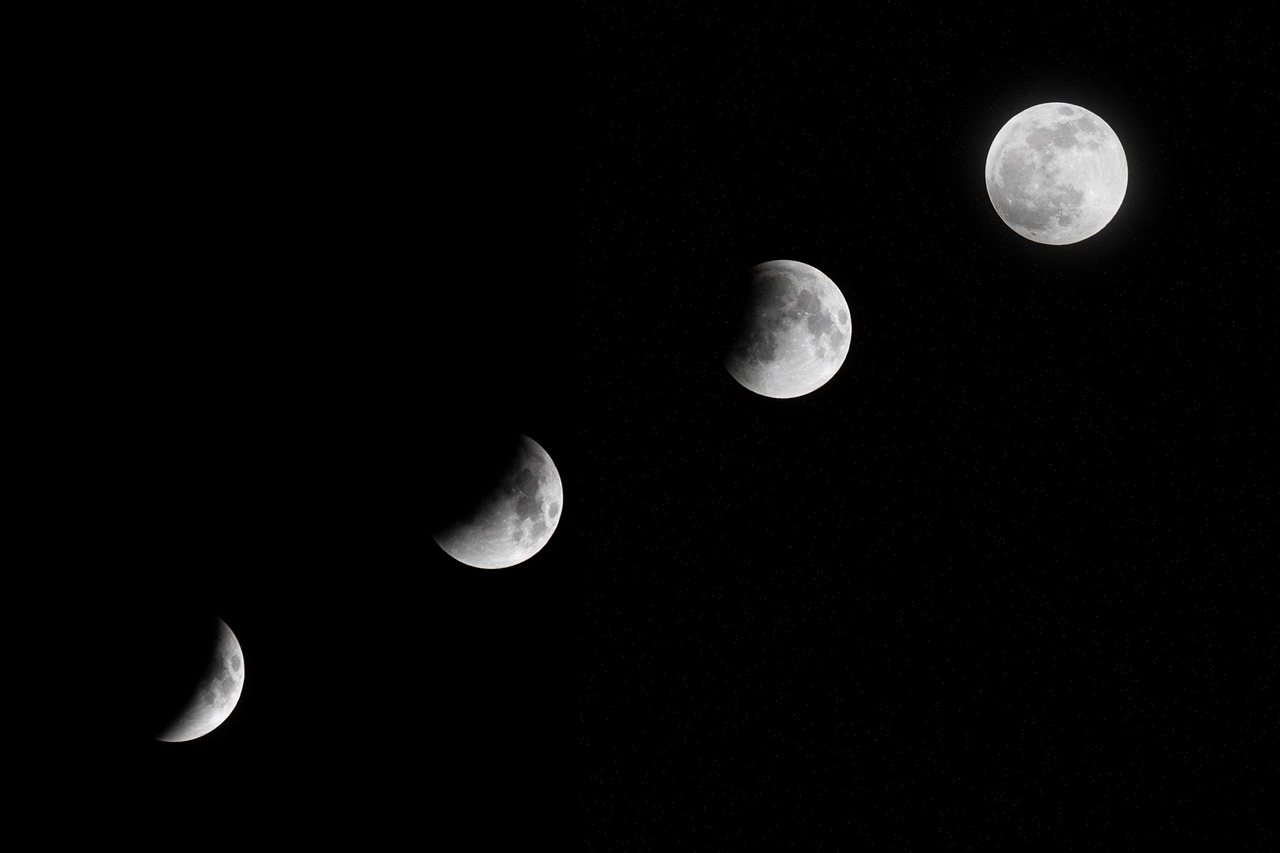
Integrate lunar knowledge with broader astronomical events. Solar eclipses occur only during new moons when the moon passes between Earth and sun. Lunar eclipses require full moons as Earth’s shadow engulfs our satellite. Understanding these relationships deepens appreciation for celestial mechanics.
Tidal patterns follow lunar phases—full and new moons create spring tides, quarter moons produce neap tides. For urban coastal observers, this connection between sky and sea reinforces how celestial cycles influence terrestrial environments, adding layers of meaning to skywatching activities.
Embracing the Urban Lunar Adventure ✨
Urban skywatching offers unique rewards precisely because of its challenges. Each successful observation represents triumph over light pollution, weather uncertainty, and scheduling constraints. Moon phase knowledge transforms these obstacles into manageable variables within your control.
The same moon illuminating dark-sky preserves also shines on cities worldwide. Urban observers connect with this ancient human experience despite modern environmental challenges. By mastering lunar cycles and their observational implications, you unlock astronomical adventures available right from your neighborhood.
Start simply—observe tonight’s moon regardless of phase. Note its appearance, position, and how it transforms your urban environment. Tomorrow night it will look different, beginning your personal journey through the lunar cycle. With each phase, new opportunities emerge, new techniques develop, and your connection to the night sky deepens. The moon becomes not just an object to observe but a guide leading you through endless urban astronomical discoveries.