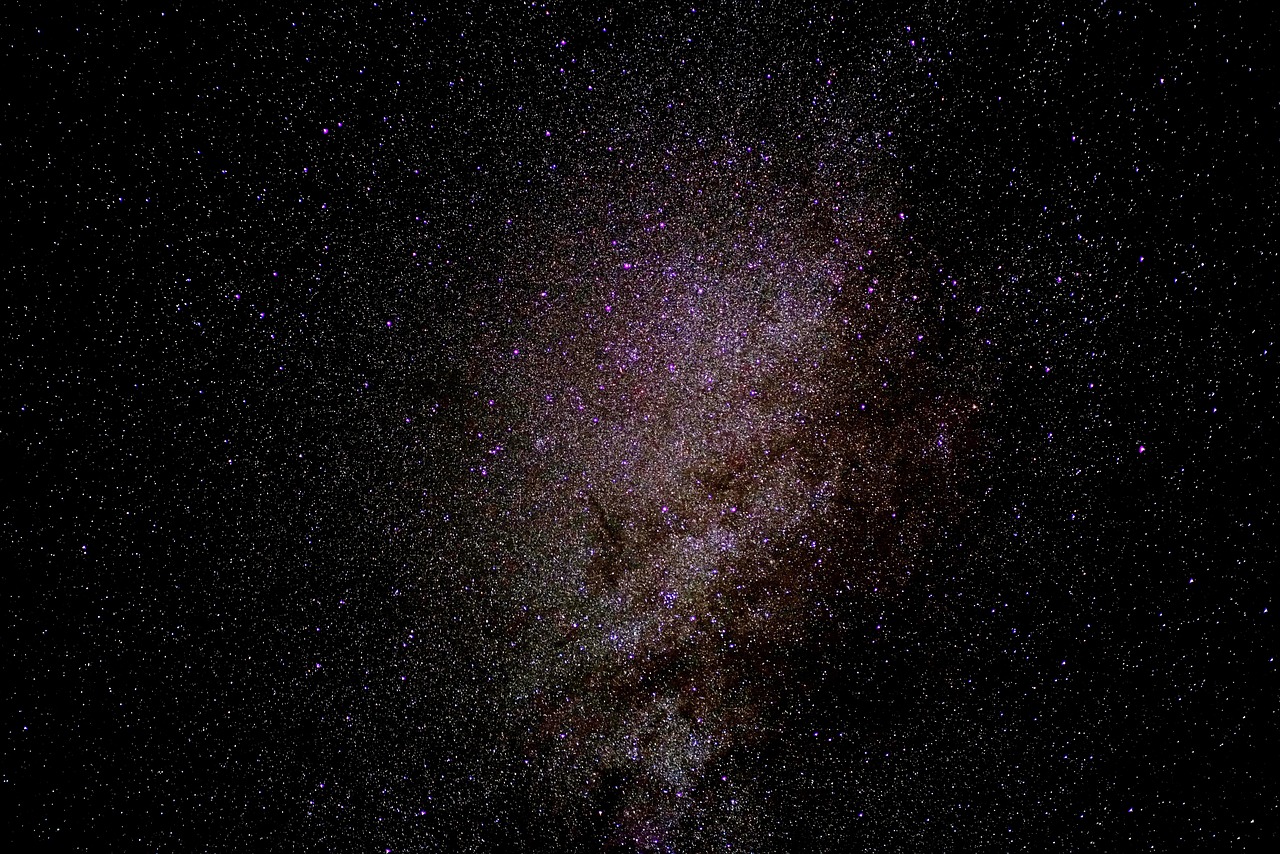
Gathering under the stars with friends, family, or astronomy enthusiasts creates unforgettable memories. Yet organizing group stargazing events can quickly become chaotic without proper planning and documentation.

Whether you’re a seasoned astronomy club coordinator or someone planning their first backyard celestial gathering, having a structured approach to logging events transforms confusion into seamless experiences. Organized event log templates serve as your roadmap to stellar adventures, ensuring nothing falls through the cracks while everyone focuses on the wonders above.
🌟 Why Group Stargazing Requires Structured Planning
Stargazing might seem like a simple activity—just look up, right? However, when coordinating multiple people, equipment, locations, and timing around celestial events, complexity multiplies rapidly. Weather conditions change, moon phases affect visibility, and participants have varying experience levels and expectations.
Without documentation, you’ll find yourself answering the same questions repeatedly: What time should we arrive? What equipment do we need? Where exactly are we meeting? Which celestial objects will be visible? A comprehensive event log template addresses these concerns proactively, creating a single source of truth for all participants.
Professional astronomy clubs and casual stargazing groups alike have discovered that organized templates reduce no-shows, improve participant satisfaction, and create valuable historical records. These logs become learning tools, helping you refine future events based on what worked and what didn’t.
Essential Components of an Effective Stargazing Event Log
Creating a template that actually gets used requires balancing thoroughness with simplicity. Your log should capture critical information without overwhelming organizers or participants with unnecessary details.
Event Basics and Logistics
Start with fundamental information that answers the who, what, when, and where. Include the event date and time, with clear start and end times. Specify the exact location with GPS coordinates when possible—dark sky sites can be challenging to find, especially for newcomers.
Document the event leader or coordinator with contact information for last-minute questions. List expected attendance numbers to gauge equipment needs and parking requirements. Include backup dates if weather or other factors might force postponement.
Astronomical Targets and Visibility Conditions
This section transforms your log from a simple attendance sheet into an educational resource. List primary celestial objects or events participants will observe—whether it’s a meteor shower, planetary alignment, deep-sky objects, or constellation tours.
Record moon phase and illumination percentage, as this dramatically affects what’s visible. Note sunrise and sunset times, along with astronomical twilight periods. Include any special celestial events like eclipses, planetary conjunctions, or International Space Station passes.
Weather forecasts deserve special attention. Create fields for predicted cloud cover, temperature ranges, wind conditions, and humidity levels. These factors affect both visibility and participant comfort.
Equipment Inventory and Requirements
Tracking what equipment will be available prevents disappointment and helps participants prepare appropriately. List telescopes by type and aperture, including who’s bringing each instrument. Document available binoculars, star charts, astronomy apps, and red flashlights.
Specify whether the event is BYOT (bring your own telescope) or if equipment will be shared. Include power requirements if computerized mounts or cameras will be used. Note any specialized equipment like filters, eyepieces, or camera adapters.
📋 Designing Templates That People Actually Use
The best template in the world is worthless if it sits unused. Design considerations determine whether your log becomes an indispensable tool or forgotten paperwork.
Digital Versus Paper Solutions
Both formats have advantages depending on your group’s needs and preferences. Digital templates offer easy sharing, automatic calculations, and searchable archives. Cloud-based solutions let multiple organizers collaborate in real-time and provide instant access from smartphones.
Paper logs work beautifully for on-site documentation where devices might interfere with night vision or drain batteries in cold weather. Some groups use hybrid approaches—digital for planning and distribution, paper for field notes and observations.
Consider accessibility for all participants. Not everyone has smartphones or comfortable computer access. Your template should work for technology enthusiasts and traditionalists alike.
Customization for Different Event Types
A public outreach event requires different documentation than a dedicated astrophotography session. Create template variations for common scenarios your group encounters.
Public stargazing parties need fields for estimated public attendance, parking management, and educational talking points. Photography-focused events require technical details like exposure times, camera settings, and light pollution measurements. Observing challenges and marathons need tracking sheets for objects viewed and verified.
Family-friendly events benefit from sections noting kid-appropriate activities and safety considerations. Advanced observer gatherings might include detailed equipment specifications and observing program requirements.
Building Your First Event Log Template
Starting from scratch can feel overwhelming, but breaking the process into manageable steps produces better results than copying someone else’s format without understanding your unique needs.
Identifying Your Group’s Specific Needs
Survey participants about what information they find most valuable. What questions come up repeatedly? What problems occurred at past events that better documentation could have prevented? Where does confusion typically arise?
Consider your group’s size and structure. A informal group of five friends needs simpler documentation than a astronomy club with fifty members. Frequency matters too—monthly events benefit from more extensive templates than annual gatherings.
Think about your archival goals. Are these logs primarily planning tools or historical records? Will you analyze patterns to optimize future events? Your answers shape template complexity and detail level.
Template Structure and Format
Organize information logically, grouping related items together. Most effective templates follow this general flow:
- Event identification (name, date, unique ID number)
- Logistics and location details
- Astronomical conditions and targets
- Participant information and attendance
- Equipment inventory
- Safety and emergency contacts
- Post-event notes and lessons learned
Use clear headings and consistent formatting. Include instructions or examples for fields that might be ambiguous. Leave adequate space for handwritten notes if using paper versions.
⭐ Maximizing Template Effectiveness Through Consistent Use
Templates only deliver value when used consistently and completely. Developing habits and processes ensures your log system becomes second nature rather than an additional burden.
Pre-Event Planning Workflow
Begin filling out your template at least one week before the event. Start with fixed elements like date, location, and primary targets. Update weather forecasts daily as the event approaches, noting any concerning trends.
Distribute the preliminary log to confirmed participants three to five days ahead. This gives everyone time to review details, ask questions, and prepare appropriately. Request equipment confirmations so you know what will actually be available.
Create a final version twenty-four hours before the event incorporating any last-minute changes. This becomes your master reference document during the actual gathering.
On-Site Documentation Practices
Designate someone to maintain the log during the event—ideally not the person trying to operate equipment or guide participants. Capture actual attendance, noting any unexpected arrivals or absences.
Record actual observing conditions, which often differ from forecasts. Note what objects were successfully observed and which proved challenging. Document any equipment issues or unexpected successes with particular setups.
Encourage participants to share memorable moments or learning experiences. These narrative notes add richness to dry data and help recreate the event’s atmosphere when reviewing logs later.
Post-Event Review and Archiving
Schedule time within forty-eight hours after each event to complete the log while memories remain fresh. Add final observations, photographs, and participant feedback. Note anything that should be done differently next time.
File completed logs in an organized archive system, whether digital folders with consistent naming conventions or physical binders with labeled dividers. These historical records become invaluable references when planning similar future events.
Periodically review past logs to identify patterns. Do certain locations consistently deliver better experiences? Which months produce the highest attendance? What equipment proves most valuable? Let data guide your planning evolution.
Technology Tools That Complement Event Logs
While templates provide structure, various applications enhance planning and execution. Astronomy apps help identify optimal viewing targets and times. Weather applications provide detailed forecasts for dark sky locations. Communication platforms keep participants informed about changes.
Calendar applications with reminder functions ensure no one forgets the event. Mapping tools help participants navigate to remote locations. Photography apps assist with planning shots and tracking exposures.
Document collaboration platforms allow multiple organizers to contribute to the same template simultaneously. Cloud storage ensures logs are never lost and remain accessible from anywhere.
🔭 Advanced Template Features for Experienced Groups
As your group’s sophistication grows, templates can incorporate more specialized information that enhances the experience without overwhelming newcomers.
Light Pollution and Sky Quality Metrics
Document objective measurements of sky darkness using Sky Quality Meters or similar devices. Track readings at different times throughout the evening to understand how conditions evolve. Compare measurements across different locations to identify optimal sites.
Record limiting magnitude observations—the faintest stars visible to the naked eye. This standardized metric lets you compare sky quality across events and locations objectively. Include who made the observation, as experience levels affect results.
Observing Program Tracking
Many amateur astronomers pursue formal observing programs through astronomical leagues. Create template sections for tracking program-eligible observations. Include fields for object designation, observation time, equipment used, and verification witness if required.
This integration makes events more purposeful for dedicated observers while maintaining accessibility for casual participants. It also creates accountability and documentation for program submissions.
Educational Content and Skill Development
Transform logs into learning tools by documenting educational moments. Note which explanations resonated with participants. Record questions that stumped presenters—these identify knowledge gaps to research before next time.
Track skill development for regular participants. Who learned to align a telescope? Who successfully identified their first deep-sky object? These milestones build community and celebrate progress.
Creating Templates for Special Celestial Events
Major astronomical events like solar eclipses, rare cometary appearances, or significant meteor showers warrant specialized templates capturing unique requirements.
Eclipse logs need precise timing information down to the second for each phase. They require specialized safety equipment documentation and viewing location coordinates for path-of-totality events. Include contingency plans for traffic delays and overwhelmed facilities.
Meteor shower templates focus on hourly counts, radiant position, and limiting magnitude. They benefit from standardized observation periods allowing meaningful comparison between observers and locations.
Planetary opposition or conjunction events need precise ephemeris data about object positions, separation angles, and optimal viewing times. These templates should note magnifications used and atmospheric seeing conditions affecting planetary detail visibility.
Building Community Through Shared Documentation
Event logs become more than planning tools—they’re community artifacts preserving shared experiences. Well-maintained archives tell your group’s story, documenting growth and adventures over time.
Share log templates with other astronomy groups, adapting formats to different needs while benefiting from collective wisdom. Online astronomy forums and clubs often exchange resources, improving everyone’s organizational capabilities.
Use logs to onboard new members, showing them what to expect and how events typically unfold. Historical records demonstrate your group’s credibility and organizational maturity, attracting serious participants.
Celebrate anniversaries by reviewing logs from years past. Remember spectacular viewing nights, unexpected discoveries, and how much everyone has learned. These reflections strengthen bonds and renew enthusiasm.
Overcoming Common Template Implementation Challenges
Even the best-designed templates face adoption hurdles. Recognizing common obstacles lets you address them proactively.
Time constraints plague busy organizers. Simplify templates to capture only essential information, eliminating nice-to-have fields that rarely get completed. Create quick-start versions for last-minute events alongside comprehensive formats for major gatherings.
Technological barriers frustrate less tech-savvy participants. Offer multiple format options—printable PDFs, editable documents, and online forms. Provide clear instructions with screenshots showing exactly how to access and complete digital versions.
Incomplete information undermines template value. Make critical fields mandatory while keeping optional sections clearly marked. Provide examples showing what good entries look like. Assign accountability for log completion to specific individuals.
The Long-Term Value of Consistent Event Documentation
Years of accumulated logs create resources far more valuable than individual entries. Patterns emerge revealing optimal seasons for different objects, locations that consistently deliver, and equipment combinations that work best.
Historical weather data helps predict when to schedule events and when to avoid certain locations. Attendance patterns inform marketing and communication strategies. Equipment logs justify purchases by demonstrating actual usage and capabilities.
These archives become institutional knowledge preserving lessons learned across leadership changes. New organizers inherit practical wisdom instead of starting from scratch, maintaining quality and continuity.
Compiled logs also create compelling content for newsletters, websites, and social media. Before-and-after comparisons show growth. Statistics demonstrate impact. Stories preserved in log notes humanize your group and attract new participants.

🌠 Adapting Templates as Your Group Evolves
Today’s perfect template will need revision as your group changes. Build flexibility into your documentation system, reviewing and updating formats annually based on actual use patterns.
Survey participants about what information they find most valuable and what could be eliminated. Test revised templates with small events before full implementation. Version control your templates so you can revert if new formats prove problematic.
As technology evolves, explore new tools that might enhance your logging process. However, avoid changing systems too frequently—consistency delivers more value than perpetual optimization. Only adopt new approaches when they solve real problems or offer significant advantages.
Group stargazing adventures connect us with the cosmos and each other. Organized event log templates ensure these precious experiences unfold smoothly, leaving everyone free to focus on the wonders overhead rather than logistical confusion. By investing time in thoughtful documentation systems, you create foundations for countless memorable nights under the stars, building community while exploring the universe together. The effort you put into organization pays dividends in successful events, satisfied participants, and a legacy of shared astronomical adventures that will inspire future stargazers for years to come.