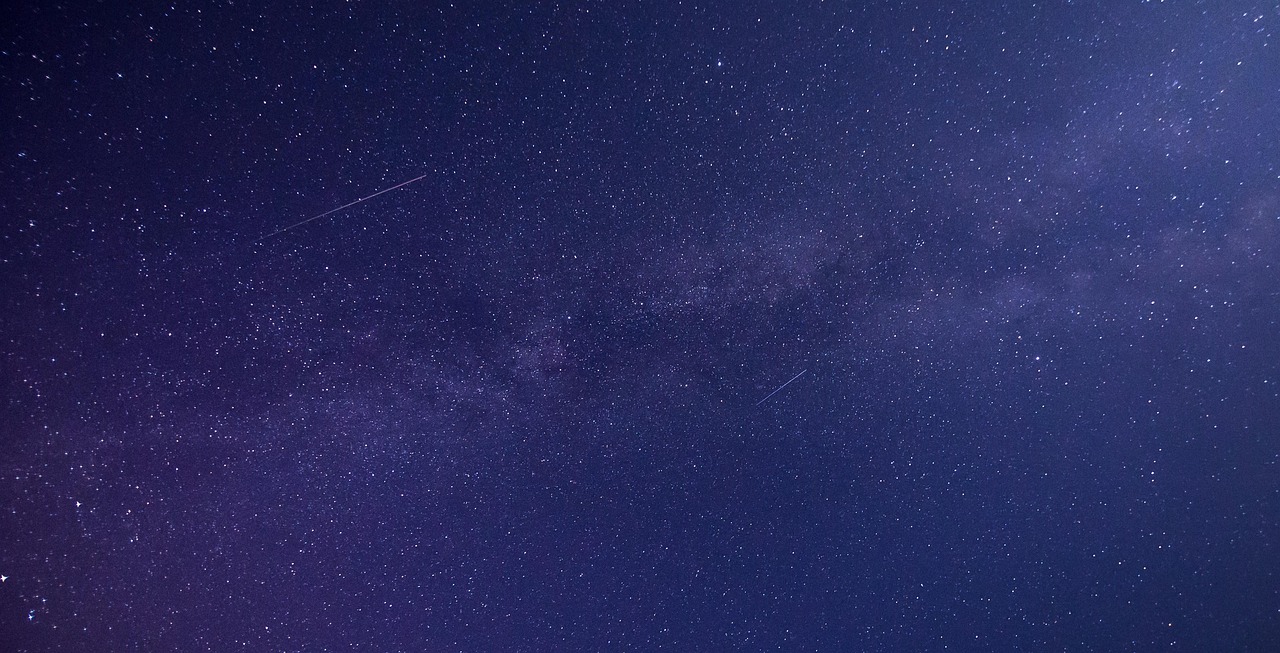
There’s something profoundly magical about watching a meteor streak across the night sky, leaving a brilliant trail that vanishes in seconds. These celestial fireworks have captivated humanity for millennia, inspiring myths, wishes, and scientific curiosity.

Whether you’re a seasoned stargazer or someone who’s just discovered the wonder of meteor showers, keeping detailed observation logs can transform your experience from casual viewing to meaningful documentation. These records become treasured artifacts of your astronomical journey, capturing fleeting moments that connect you to the cosmos in deeply personal ways.
🌠 Understanding the Spectacle Above
Meteor showers occur when Earth passes through debris trails left by comets or asteroids. As these tiny particles—some no larger than grains of sand—enter our atmosphere at incredible speeds, they burn up, creating the luminous streaks we call meteors or “shooting stars.”
Unlike sporadic meteors that can appear randomly throughout the year, meteor showers are predictable events. They occur at the same time annually when Earth crosses the same orbital paths. This predictability makes them perfect candidates for systematic observation and documentation.
Each shower has unique characteristics: the Perseids are known for their bright meteors and high rates, while the Geminids produce colorful, slower-moving streaks. The Leonids occasionally produce spectacular meteor storms with thousands of meteors per hour, though such events are rare.
Why Keep Meteor Observation Logs?
Documentation serves multiple purposes beyond simple record-keeping. Your observations contribute to citizen science efforts, helping astronomers track meteor shower activity over time. Professional researchers actually rely on amateur observations to understand shower variability and predict future activity.
Personal logs also create a tangible connection to your astronomical experiences. Years later, you can revisit specific nights and remember the conditions, emotions, and discoveries. These records often reveal patterns you wouldn’t notice otherwise—like how certain viewing locations perform better or which showers consistently impress you most.
Furthermore, maintaining detailed logs sharpens your observational skills. You’ll notice subtle differences in meteor characteristics, become more attuned to sky conditions, and develop a deeper understanding of celestial mechanics.
⭐ Essential Elements of Effective Observation Logs
Creating meaningful meteor shower logs doesn’t require complicated equipment or scientific training. However, including certain key information makes your records more valuable for both personal reflection and potential scientific contribution.
Date, Time, and Location Information
Always record the exact date and time of your observation session, including your timezone. Note your precise location with coordinates if possible—latitude and longitude can be obtained from smartphone GPS apps. This geographical data proves crucial when comparing observations with other watchers or analyzing meteor rates.
Document your observing period clearly, marking when you began and ended your session. Meteor rates fluctuate throughout the night, especially as the radiant point rises higher, so timing matters significantly.
Sky Conditions and Environmental Factors
Weather and atmospheric conditions dramatically affect what you can see. Record cloud coverage as a percentage, note any haze or humidity, and assess the transparency of the sky. These factors directly impact how many meteors reach your eyes.
Light pollution deserves special attention. Use the Bortle Scale (1-9, with 1 being pristine dark skies and 9 being inner-city conditions) to rate your location. You might also note the limiting magnitude—the faintest stars visible to your naked eye—which provides an objective measure of sky quality.
Temperature, wind, and comfort level might seem peripheral, but they affect observation duration and quality. Cold, windy nights might cut sessions short, while comfortable conditions encourage longer, more productive watches.
Meteor Counts and Characteristics
The heart of your log involves the meteors themselves. Count how many you observe during specific time intervals—many watchers use 15-minute or hourly blocks. Distinguish between shower meteors (those appearing to radiate from the shower’s radiant point) and sporadic meteors from other sources.
Note the brightness or magnitude of notable meteors. The magnitude scale works inversely: brighter objects have lower numbers. Venus typically shines at magnitude -4, while the faintest stars visible under dark skies reach magnitude +6 or +7. Exceptionally bright meteors called fireballs (magnitude -4 or brighter) deserve special mention.
Document colors when visible—meteors can appear white, yellow, orange, green, blue, or red depending on their composition and speed. Green often indicates nickel, while orange suggests sodium. These color observations add scientific value to your records.
Persistent trains—glowing trails that linger after the meteor vanishes—are noteworthy phenomena. Record their duration and appearance, as these provide clues about atmospheric conditions and meteor composition.
📱 Tools and Technology for Modern Meteor Watchers
While meteor watching fundamentally requires nothing but your eyes and the sky, modern technology can enhance your documentation and understanding significantly.
Smartphone Applications for Planning and Recording
Several excellent apps help meteor enthusiasts plan observations and maintain digital logs. Star chart applications show you where radiant points will be located, helping you orient yourself properly. They also provide rise and set times for constellations containing radiants.
Dedicated meteor tracking apps allow you to log observations in real-time with timestamps, automatically record your location, and even submit data to scientific organizations. Some include features for photographing meteors and connecting with other observers worldwide.
Weather apps designed for astronomers provide detailed forecasts including cloud coverage predictions, humidity levels, and atmospheric transparency estimates—far more useful than standard weather reports for planning meteor watching sessions.
Traditional Recording Methods
Despite technological advances, many experienced observers still prefer paper notebooks, especially during observation sessions. Screens disrupt night vision, even with red-light modes, and cold temperatures drain batteries quickly. A simple notebook with a dim red flashlight remains remarkably effective.
Consider creating a standardized template for your observations. Having pre-printed forms with fields for all essential information ensures you don’t forget important details while watching.
🔭 Maximizing Your Meteor Watching Experience
Successfully observing meteor showers involves more than just showing up and looking up. Strategic preparation and proper technique significantly enhance both the quantity and quality of meteors you’ll observe.
Timing Your Observations
Meteor shower activity typically peaks during specific nights within a broader activity period. The Perseids, for example, show activity from mid-July through late August but peak around August 12-13. Observing during peak nights maximizes your counts, though watching during off-peak times contributes valuable data about shower duration.
Time of night matters enormously. Meteor rates typically increase after midnight and peak in the hours before dawn. This occurs because the hemisphere facing Earth’s orbital direction (the “front” of the planet as it moves through space) is tilted upward in the pre-dawn hours, sweeping through more debris particles.
Moon phase dramatically affects meteor visibility. A bright Moon washes out fainter meteors, potentially reducing visible counts by half or more. Consult lunar calendars when planning observations—new Moon periods provide ideal dark-sky conditions.
Positioning and Viewing Technique
Contrary to intuition, don’t stare directly at the radiant point. Meteors appear throughout the sky, and those farther from the radiant often display longer, more impressive trails. Position yourself comfortably so you can observe a large swath of sky without constantly moving your head.
Reclining lawn chairs or sleeping bags on flat ground work perfectly. Your goal is comfort that allows relaxed viewing for extended periods. Neck strain ruins observation sessions quickly.
Allow at least 20-30 minutes for your eyes to adapt fully to darkness. This dark adaptation is crucial—your eyes become exponentially more sensitive as photoreceptors adjust. Avoid looking at bright lights, including phones, during this period.
Recording Strategies for Different Experience Levels
Your logging approach can evolve as your experience and interest grow. Beginners might start simply, while dedicated enthusiasts can adopt more sophisticated methods.
Beginner-Friendly Logging
New meteor watchers should focus on basic counts and impressions. Record the date, time, location, and how many meteors you see during your session. Note anything memorable—an especially bright fireball, an unusual color, or a particularly active period.
Don’t worry about technical precision initially. The goal is building observation habits and developing your ability to recognize different meteor types. Your logs will naturally become more detailed as you gain experience.
Intermediate Observation Techniques
As you become comfortable with basic logging, incorporate magnitude estimates and directional information. Start distinguishing between shower members and sporadic meteors by tracing paths backward—shower meteors appear to originate from the radiant area.
Consider calculating your personal zenith hourly rate (ZHR). This standardized measure accounts for your limiting magnitude and the radiant’s elevation angle, allowing meaningful comparisons with other observers’ counts.
Advanced Citizen Science Contributions
Serious amateur astronomers can contribute to organizations like the International Meteor Organization (IMO) or American Meteor Society (AMS). These groups provide standardized reporting formats and aggregate data from observers worldwide to track shower activity scientifically.
Advanced observers might plot meteor paths on star charts, carefully time individual meteors to calculate velocities, or coordinate observations with other watchers to triangulate meteor trajectories and determine entry altitudes.
🌟 Creating Your Personal Meteor Watching Tradition
Beyond the scientific aspects, meteor watching can become a cherished personal or family tradition. Annual shower viewing creates rhythms that connect you to celestial cycles and natural phenomena beyond daily routines.
Some families make the Perseids an annual camping trip tradition. Others brave winter cold for the Geminids, making hot chocolate and warm blankets part of the experience. These traditions build memories while fostering appreciation for the natural world.
Your observation logs become chronicles of these experiences—records not just of astronomical phenomena but of life moments. Reading past entries might remind you of conversations during that Perseids watch, or the year you first brought your child to see shooting stars.
Analyzing Your Accumulated Data
After multiple observation sessions, your logs become datasets revealing patterns and insights. Compare different years for the same shower—did rates vary? How did weather conditions affect visibility? Which location provided the best viewing?
Create simple charts tracking your meteor counts across different showers and years. You might discover the Geminids consistently outperform the Perseids from your location, or that your rural property offers dramatically better viewing than city parks.
These analyses make your hobby more engaging while developing skills in data interpretation and scientific thinking. You’re not just watching meteors—you’re conducting genuine astronomical research from your backyard.
Sharing Your Observations with the Community
The astronomy community welcomes observers of all experience levels. Online forums, social media groups, and local astronomy clubs provide spaces to share observations, compare notes, and learn from experienced watchers.
Posting your observations and logs can help others planning their viewing sessions. Your reports about local conditions, meteor rates, and notable fireballs contribute to collective knowledge and community connection.
Many observers find that sharing experiences enhances their enjoyment. The astronomy community is remarkably welcoming and eager to encourage new participants in this ancient practice of watching the skies.
✨ Transforming Casual Viewing into Meaningful Practice
The difference between casually watching a meteor shower and maintaining detailed observation logs parallels the difference between taking snapshots and practicing photography. Both have value, but the latter develops skills, creates lasting records, and deepens appreciation.
Your logs document not just meteors but your own journey as an observer. You’ll see your ability to estimate magnitudes improve, your knowledge of constellations expand, and your understanding of celestial mechanics deepen. Each entry represents growth and learning.
These records also provide motivation. Knowing you’ll document the experience encourages you to get outside even when comfort tempts you indoors. They transform fleeting entertainment into purposeful practice.
Start tonight with simple notes about what you see. Record the date, your location, how many meteors appeared, and what impressed you most. That’s your first log entry—the beginning of a record that might span decades, chronicling countless nights beneath the stars, witnessing the universe’s celestial fireworks display.
The cosmos puts on these shows regularly, reliable as clockwork, waiting for anyone willing to look up. Your observation logs ensure that when you do, those magical moments are preserved, analyzed, and treasured—transforming ephemeral streaks of light into lasting memories and meaningful contributions to human understanding of our place in the universe.