The moon has captivated humanity for millennia, inspiring poets, scientists, and dreamers alike. Its silvery glow and ever-changing phases create a celestial dance that deserves to be documented and cherished.

Whether you’re an amateur astronomer tracking lunar cycles, a nature enthusiast seeking deeper connections with the night sky, or simply someone who finds peace in moonlit evenings, keeping a moon observation journal can transform your relationship with our closest celestial neighbor. This practice combines scientific observation with personal reflection, creating a meaningful record of your lunar journey.
🌙 Why Keep a Moon Observation Journal?
Moon journaling offers benefits that extend far beyond simple record-keeping. This meditative practice connects you with natural rhythms that our ancestors followed instinctively but modern life has obscured. By regularly observing and documenting the moon, you develop a heightened awareness of time’s passage and nature’s cycles.
Scientific observation sharpens your attention to detail. You’ll notice subtle changes in the moon’s appearance, position, and surrounding celestial objects. These observations can help you understand lunar phases, orbital mechanics, and even weather patterns. Many seasoned astronomers credit their moon journals as foundational tools in their astronomical education.
The emotional and spiritual dimensions shouldn’t be overlooked either. Moon journaling provides a structured outlet for reflection and intention-setting. Many practitioners align their personal goals with lunar phases, using new moons for fresh starts and full moons for releasing what no longer serves them.
Essential Elements of Moon Observation Journal Templates
Effective moon journal templates balance structured data collection with space for creative expression. The best templates guide your observations without constraining your unique perspective or experience.
Core Observational Data Fields
Every quality moon journal template should include fields for fundamental astronomical data. Date and time establish when your observation occurred, crucial for tracking patterns over weeks and months. Location matters too, especially if you travel or observe from multiple sites, as geographical position affects what you see.
Moon phase documentation forms the centerpiece of any lunar journal. Whether you prefer technical terminology (waxing crescent, first quarter, waning gibbous) or simple percentage of illumination, consistent tracking reveals the moon’s monthly rhythm. Many templates include a small circle where you can sketch or shade the moon’s appearance.
Weather conditions significantly impact observation quality. Cloud cover, atmospheric clarity, temperature, and humidity all influence what you can see. Recording these variables helps you identify optimal viewing conditions and explains variations in your observations.
Visual Documentation Space
Drawing the moon connects you with the observational tradition of astronomers throughout history. Your template should provide dedicated space for sketching what you see through binoculars, telescopes, or naked eye observation. These drawings need not be artistic masterpieces—simple, honest representations of visible features serve the purpose beautifully.
Consider including reference circles of different sizes for various observation methods. A small circle might represent naked eye viewing, while larger circles accommodate telescopic observations showing craters, maria, and other surface features.
Reflective and Creative Sections
Beyond scientific data, your moon journal should nurture personal connection. Space for written reflections allows you to capture emotions, thoughts, and associations the moon evokes. Perhaps a particular phase reminds you of childhood memories, or maybe you notice correlations between lunar cycles and your energy levels.
Many journalers appreciate prompts that spark deeper engagement. Questions like “What am I releasing with this waning moon?” or “What new intentions align with tonight’s new moon?” transform observation into introspection.
Different Template Styles for Various Stargazing Approaches
Moon observation journals aren’t one-size-fits-all. Different templates serve different purposes, and finding your ideal format enhances both enjoyment and consistency.
The Scientific Observer Template
For those passionate about astronomy and data collection, scientific templates emphasize precise measurements and detailed observations. These typically include:
- Exact coordinates of observation location
- Precise time with timezone notation
- Moon’s altitude and azimuth angles
- Seeing conditions rated on standardized scales
- Equipment used with specifications
- Detailed sketches of specific lunar features
- Notes on nearby celestial objects or phenomena
This approach suits individuals who enjoy technical precision and may wish to contribute to citizen science projects or develop serious astronomical skills.
The Mindful Meditation Template
Spiritually-oriented observers prefer templates that emphasize inner experience alongside outer observation. These journals typically feature:
- Intention-setting space for each lunar phase
- Gratitude lists aligned with full moons
- Release and letting-go sections for waning phases
- Manifestation goals for new and waxing moons
- Emotional check-ins and mood tracking
- Space for relevant tarot cards, oracle messages, or affirmations
This template style transforms moon observation into a holistic spiritual practice that honors both celestial mechanics and personal growth.
The Photographer’s Moon Log
For those capturing lunar beauty through lenses, specialized photography templates prove invaluable. These focus on:
- Camera settings (ISO, aperture, shutter speed)
- Lens and focal length used
- Composition notes and foreground elements
- Post-processing approaches
- Space to attach or reference photos
- Location scouting notes for future shots
This approach builds a technical reference library while documenting your artistic development as a lunar photographer.
The Nature Connection Template
Naturalists and outdoor enthusiasts benefit from templates that contextualize the moon within broader environmental patterns. These journals incorporate:
- Seasonal observations and phenological notes
- Wildlife activity correlations
- Tide information for coastal observers
- Plant growth stage observations
- Weather pattern notes over lunar months
- Connections between moon phases and gardening activities
This holistic approach reveals how lunar cycles interweave with terrestrial rhythms, deepening your ecological awareness.
Creating Your Personalized Moon Journal Template
While pre-designed templates offer convenience, creating a custom template ensures perfect alignment with your interests and observation style. The process itself clarifies what aspects of moon observation matter most to you.
Identifying Your Primary Intentions
Begin by honestly assessing why you’re drawn to moon journaling. Are you primarily interested in astronomical learning? Spiritual practice? Photography improvement? Stress reduction through nature connection? Your primary motivation should guide template design.
Consider maintaining separate sections for different purposes if you have multiple interests. A hybrid template might include scientific data fields on one side and reflective space on the other, honoring both your analytical and intuitive sides.
Determining Observation Frequency
How often will you realistically observe and journal? Daily moon watchers need compact templates that don’t overwhelm with their frequency. Those observing only at specific phases (full and new moons, for instance) can accommodate more elaborate templates with extensive fields.
Your template design should make the desired frequency feel achievable rather than burdensome. Simple templates encourage consistency, while detailed ones provide depth for less frequent but more intensive observation sessions.
Balancing Structure and Flexibility
The most sustainable templates provide enough structure to guide observations without feeling restrictive. Include essential fields you commit to completing each time, but also leave blank space for spontaneous notes, unexpected observations, or creative tangents.
Consider using different page layouts for regular observations versus special events. Your standard template might be relatively simple, while special pages accommodate eclipses, supermoons, or particularly memorable viewing experiences.
Digital Versus Analog Moon Journaling
The eternal debate between digital and paper journaling extends to lunar observation, with compelling arguments supporting both approaches.
The Case for Paper Moon Journals
Traditional paper journals offer tactile satisfaction and creative freedom that digital formats struggle to match. The physical act of drawing the moon by hand deepens observation, forcing careful attention to subtle details. Paper journals don’t require batteries, survive technological obsolescence, and provide respite from screen time.
Many journalers report that handwriting enhances memory and personal connection to their observations. The slower pace of analog journaling encourages mindfulness, turning each entry into a meditative practice rather than mere data entry.
Watercolor, colored pencils, and other artistic media integrate seamlessly into paper journals, allowing creative expression alongside scientific observation. The resulting journal becomes a unique artifact, reflecting your personal style and evolution over time.
Advantages of Digital Moon Journals
Digital formats excel at organization, searchability, and data analysis. You can instantly retrieve all observations from specific phases, compare entries across months or years, and identify patterns invisible in analog records. Digital journals never run out of pages and travel effortlessly wherever your devices go.
Photography integration happens naturally in digital journals. You can embed moon photos directly beside your notes, creating comprehensive visual records. Some apps even overlay constellation maps, lunar feature labels, or astronomical data onto your observations.
Cloud synchronization ensures your observations survive device failures, and digital formats facilitate sharing your lunar journey with online communities of fellow moon enthusiasts.
The Hybrid Approach
Many dedicated moon observers adopt hybrid systems that capture both formats’ benefits. They might sketch in paper journals while maintaining digital spreadsheets of quantitative data, or photograph their handwritten journal pages for digital backup and searchability.
This approach honors personal preference while building resilience into your record-keeping system. Neither format’s limitations constrain your practice when you thoughtfully combine their strengths.
Enriching Your Moon Observation Practice
Templates provide structure, but deepening your relationship with the moon requires expanding beyond journal pages into active learning and experiential engagement.
Understanding Lunar Features and Terminology
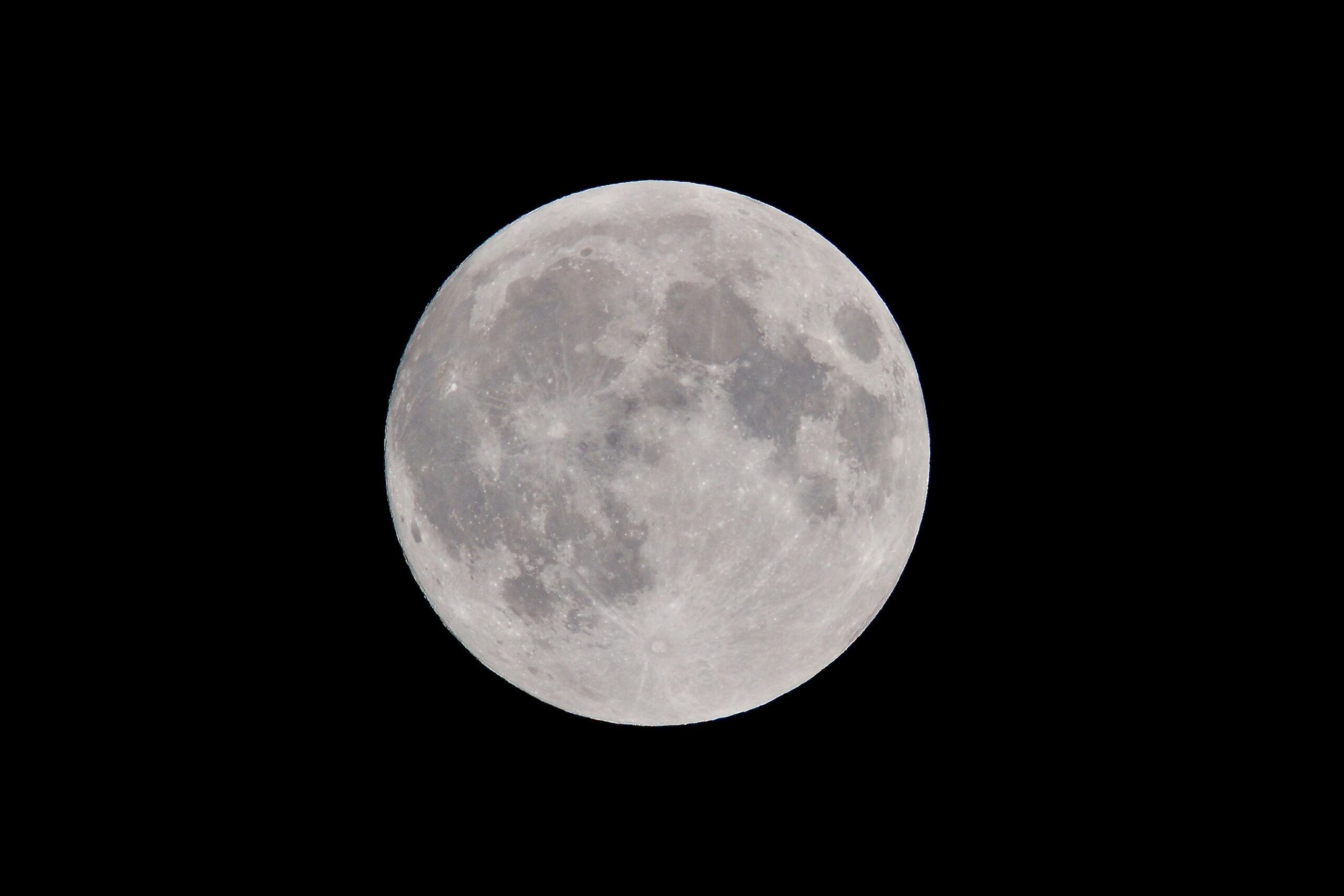
Familiarizing yourself with major lunar features transforms observation from passive viewing to active recognition. Learn the names of prominent craters like Tycho and Copernicus, the dark maria (ancient lava plains), and bright highland regions. This vocabulary gives you language to describe and remember what you see.
Understanding why the moon’s appearance changes—the mechanics of phases, libration, and orbital position—adds intellectual satisfaction to aesthetic appreciation. You’re not just watching the moon; you’re comprehending the cosmic choreography that creates its appearance.
Optimal Observation Timing and Techniques
While full moons grab attention with their brilliance, experienced observers know that other phases often provide superior viewing. The terminator—the line dividing lunar day and night—reveals dramatic shadows that emphasize craters and mountains. This line shifts daily, presenting different features in optimal lighting throughout the lunar month.
Observing shortly after sunset or before sunrise, when the moon appears near the horizon, offers opportunities to capture it alongside terrestrial features for stunning compositions and perspective appreciation.
Connecting with Moon Observation Communities
Sharing your lunar journey enhances motivation and learning. Online forums, local astronomy clubs, and social media groups dedicated to moon observation provide spaces to exchange insights, ask questions, and celebrate special lunar events together.
Many communities organize synchronized observation events, where participants worldwide observe and document the same lunar phase simultaneously. These collective experiences create meaningful connections with fellow moon enthusiasts across geographical boundaries.
Maintaining Long-Term Moon Journal Engagement 🌟
Initial enthusiasm for moon journaling often runs high, but maintaining the practice through months and years requires intentional strategies.
Setting Realistic Expectations
Perfect consistency isn’t necessary for meaningful moon journaling. Weather, schedules, and life circumstances will occasionally prevent observation. Rather than abandoning your journal after missed entries, simply resume when possible. Gaps in your record reflect reality and don’t diminish the value of observations you do complete.
Consider committing to observing just the new and full moons—twice monthly—rather than daily or weekly observations. This manageable frequency maintains connection without overwhelming busy schedules.
Reviewing and Reflecting on Past Entries
Periodically revisiting earlier journal entries reveals patterns, tracks your developing skills, and demonstrates how your relationship with the moon has evolved. These review sessions provide motivation by showing tangible progress and accumulated wisdom.
Annual reviews become particularly meaningful after maintaining your journal through complete cycles. Comparing this year’s full harvest moon observations with last year’s creates temporal depth, connecting you with seasonal rhythms operating on scales beyond daily experience.
Evolving Your Template as You Grow
Your moon journal template need not remain static. As your interests develop, observation skills sharpen, or life circumstances change, adapt your template accordingly. What served you beautifully as a beginner might feel limiting after a year of regular practice.
Periodically reassess which template sections you consistently complete and value versus those you skip or find burdensome. Refine toward what genuinely serves your lunar connection, releasing elements that create obligation without joy.
Transforming Observation into Lasting Wonder ✨
Moon observation journaling transcends simple record-keeping, becoming a practice that enriches life with beauty, rhythm, and connection. Your template serves as a portal—a structured pathway into deeper relationship with our constant celestial companion.
The moon you observe tonight is the same moon that illuminated ancient civilizations, guided nocturnal travelers, and inspired countless works of art and literature throughout human history. Your journal entries join this timeless conversation between Earth and its satellite, adding your unique voice to humanity’s age-old lunar fascination.
Whether your chosen template emphasizes scientific precision, spiritual reflection, artistic expression, or naturalistic observation, the consistent practice of looking up, paying attention, and recording what you witness cultivates presence and wonder. These qualities extend beyond your astronomy sessions, subtly shifting how you move through daily life.
Begin tonight, or at the next clear sky. Choose a template that resonates, step outside, and greet the moon with focused attention. Mark the date, note the phase, capture what you see and feel. In this simple act, you join countless stargazers throughout time, writing your chapter in the eternal story of human beings captivated by lunar magic.