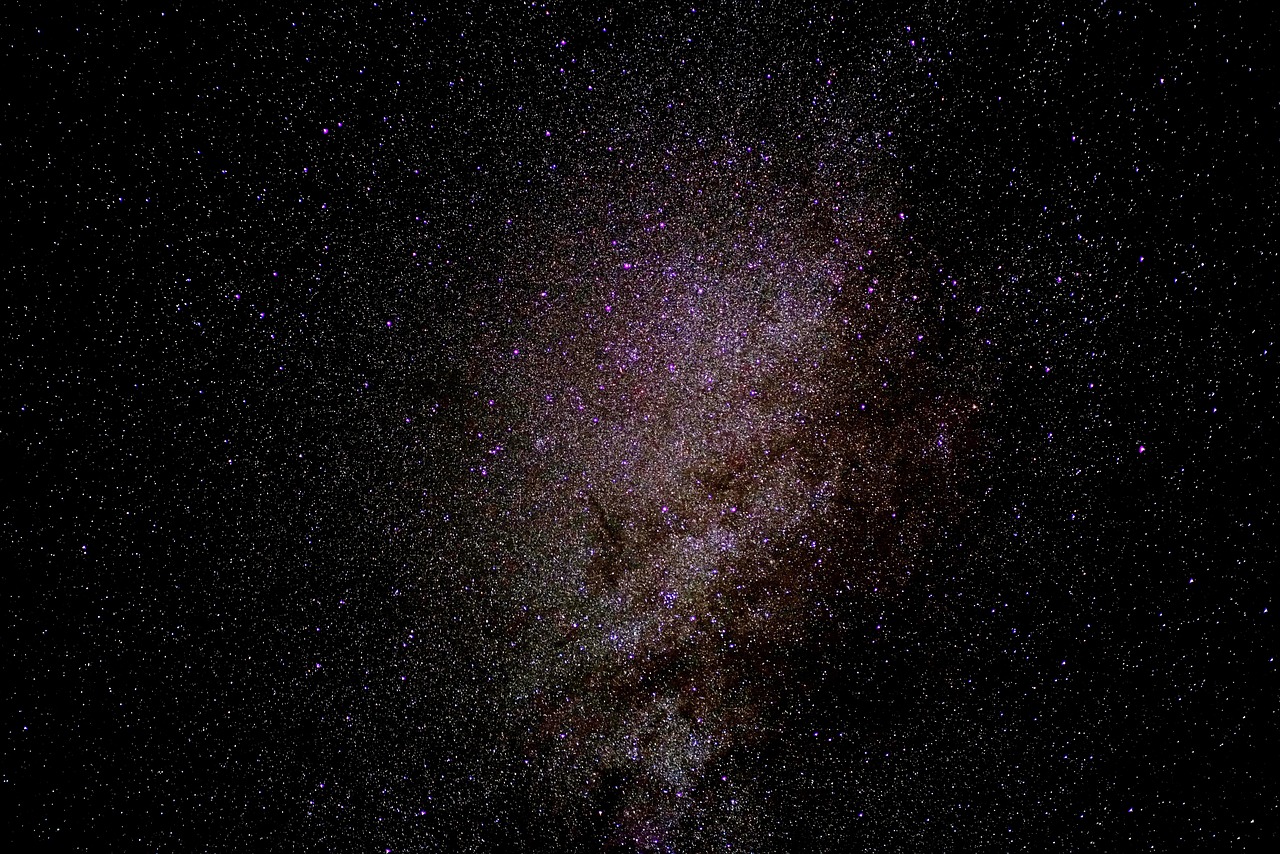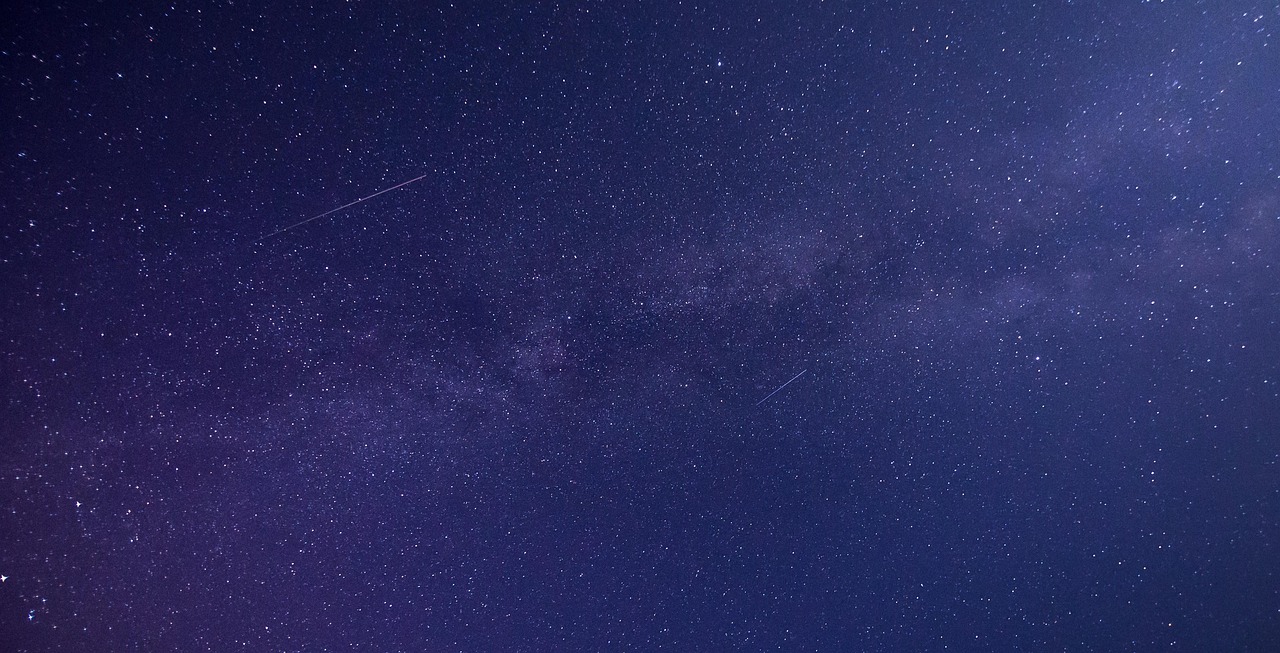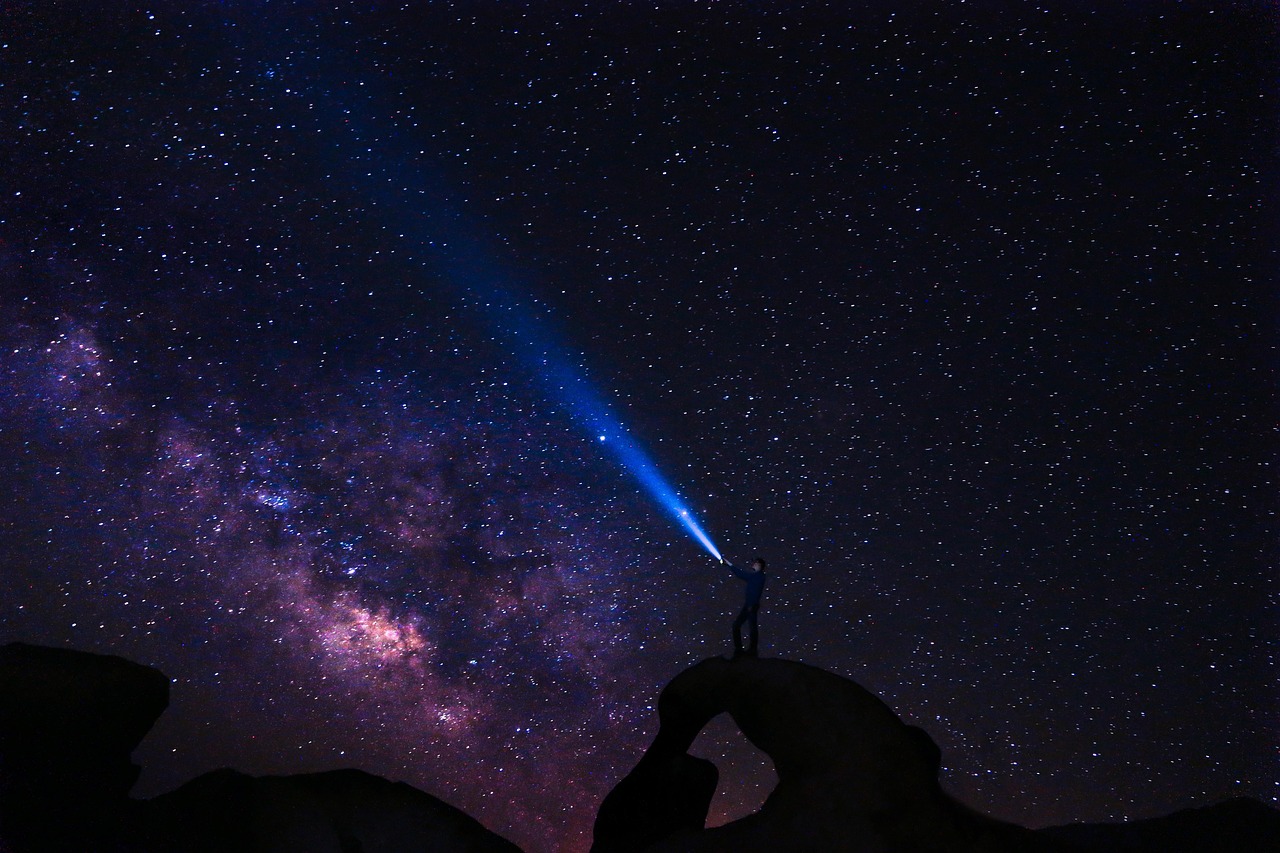
The night sky has captivated humanity for millennia, and today’s technology brings the cosmos closer than ever before. Whether you’re a beginner or seasoned astronomer, astrophotography apps transform your smartphone into a powerful stargazing companion.

Modern astrophotography combines ancient wonder with cutting-edge technology, allowing anyone with a smartphone to explore celestial objects, capture stunning images of the night sky, and deepen their understanding of the universe. The right apps can identify constellations, track satellites, plan photography sessions, and even enhance your images to reveal details invisible to the naked eye.
🌌 Why Astrophotography Apps Are Essential for Modern Stargazers
Gone are the days when astrophotography required expensive telescopes, complex calculations, and darkroom expertise. Today’s apps democratize space observation, offering features that once existed only in professional observatories. They provide real-time sky maps, augmented reality overlays, light pollution data, and advanced camera controls specifically designed for capturing celestial objects.
These applications serve multiple purposes: they educate users about astronomical phenomena, help locate specific celestial bodies, optimize camera settings for night photography, and process images to bring out hidden details. For beginners, they offer guided tutorials and simplified interfaces. For advanced users, they provide professional-grade tools and detailed ephemeris data.
🔭 Star Walk 2: Your Pocket Planetarium
Star Walk 2 stands as one of the most popular astronomy apps worldwide, offering an intuitive interface combined with stunning visuals. This app uses your device’s sensors to create an augmented reality experience, overlaying constellation patterns and celestial object information directly onto your live camera feed.
The application features a time machine function that lets you view the sky at different dates and times, making it perfect for planning astrophotography sessions. Its extensive database includes over 200,000 celestial bodies, from planets and stars to nebulae and galaxies. The visual effects are particularly impressive, with realistic representations of atmospheres, clouds, and celestial phenomena.
Star Walk 2 also provides notifications for upcoming astronomical events, including meteor showers, eclipses, and planetary alignments. The search function makes it easy to locate specific objects, while the night mode preserves your night vision during observations.
📸 SkySafari: Professional-Grade Astronomy App
SkySafari represents the gold standard for serious amateur astronomers and astrophotographers. Available in multiple versions from basic to professional, this comprehensive application contains data on millions of celestial objects and offers telescope control capabilities for supported models.
The app’s simulation accuracy is exceptional, calculating positions with precision suitable for serious astronomical work. Users can observe the sky from any location on Earth or even from other planets in our solar system. The orbital mode provides a unique perspective, showing you the solar system from above and allowing you to understand planetary movements intuitively.
For astrophotographers, SkySafari’s planning features are invaluable. You can determine exactly when specific objects will be in optimal positions, calculate rise and set times, and even preview how objects will appear through different telescope configurations.
🌟 Stellarium Mobile: Desktop Power in Your Pocket
Stellarium has long been respected as desktop planetarium software, and its mobile version brings that same power to smartphones. The app renders a realistic 3D sky with accurate positions for stars, constellations, planets, and deep-sky objects.
What sets Stellarium apart is its photographic realism and extensive customization options. You can adjust atmospheric effects, light pollution levels, and landscape scenery to match your actual observing location. The catalog includes over 600,000 stars in the free version, expandable to millions with add-on catalogs.
The app supports telescope control and includes a time-lapse feature that shows celestial movements accelerated, helping you understand orbital mechanics and predict future positions. For astrophotographers, this visualization capability is crucial for planning long-exposure sessions and understanding how star trails will appear in final images.
📷 ProCam X: Advanced Camera Control for Night Sky Photography
While planetarium apps help you find celestial objects, specialized camera apps like ProCam X give you the manual controls necessary for capturing them. Standard smartphone cameras often lack the settings needed for astrophotography, but ProCam X provides full manual control over exposure, ISO, focus, and white balance.
The app features a bulb mode for extended exposures, essential for capturing faint nebulae and galaxies. Its focus peaking and magnified focus assist ensure sharp stars, while the histogram and zebra patterns help you achieve perfect exposure without blowing out highlights or losing shadow detail.
ProCam X also includes RAW capture support, giving you maximum flexibility in post-processing. The intervalometer function enables creation of star trail images and time-lapse sequences, adding dynamic elements to your astrophotography portfolio.
🛰️ ISS Detector: Track the International Space Station
Few astronomical sights rival the spectacle of the International Space Station passing overhead. ISS Detector specializes in predicting visible passes of the ISS and other satellites, alerting you when perfect viewing or photography opportunities approach.
The app calculates pass predictions based on your location, showing you exactly where to look and when. It displays the path the station will take across your sky, its maximum altitude, and brightness. Notifications ensure you never miss a visible pass, even those occurring in the middle of the night.
Extensions add tracking for other satellites, including Starlink trains, Chinese space stations, and Hubble Space Telescope. For astrophotographers, capturing these moving lights against star fields creates compelling images that connect terrestrial technology with the cosmic backdrop.
🌙 PhotoPills: The Ultimate Planning Tool for Night Photographers
PhotoPills goes beyond simple sky mapping to become an indispensable planning tool for serious astrophotographers. The app combines astronomical data with geographic information, helping you plan shots that incorporate foreground landscapes with celestial events.
The Planner tool stands as the app’s centerpiece, offering an interactive map where you can visualize sun, moon, and Milky Way positions at any date and time. The augmented reality feature overlays this information onto your camera view, letting you see exactly how your composition will look before you even set up your equipment.
PhotoPills includes calculators for exposure, depth of field, and hyperfocal distance. The Time-lapse calculator helps you determine interval settings, while the Star Trails calculator predicts how star motion will appear in long exposures. For Milky Way photography, the app shows you the galactic center’s position and optimal shooting times when it’s most visible.
🌠 Sky Tonight: Simplified Stargazing for Everyone
Sky Tonight takes a user-friendly approach to astronomy, making it perfect for beginners while still offering valuable features for experienced observers. The app’s clean interface prioritizes ease of use without sacrificing functionality.
One standout feature is the “Tonight’s Sky” section, which highlights the most interesting objects visible from your location on any given night. This curated approach helps beginners avoid feeling overwhelmed while guiding them toward rewarding observing targets.
The app includes detailed information about celestial events, observing tips, and visibility forecasts. Its simple augmented reality mode helps you locate objects quickly, while the timeline feature shows you how the sky will change throughout the night.
📊 Essential Features to Look for in Astrophotography Apps
When selecting apps for your astrophotography toolkit, certain features prove more valuable than others. Understanding what to prioritize helps you build an effective app collection without cluttering your device with redundant tools.
Real-Time Sky Mapping and Object Identification
The foundation of any good astronomy app is accurate, real-time sky mapping. Look for apps that use your device’s gyroscope and compass to overlay information directly onto your camera view. This augmented reality feature dramatically simplifies object location, especially for beginners who haven’t yet memorized constellation patterns.
Planning and Prediction Tools
Successful astrophotography requires planning. Apps should provide ephemeris data showing when objects rise, set, and reach optimal positions. Moon phase calculators help you avoid washed-out skies during full moons, while weather integration ensures clear conditions for your planned sessions.
Camera Control and Enhancement
For actual image capture, look for apps offering manual camera controls, including adjustable ISO, shutter speed, focus, and white balance. RAW format support gives you maximum post-processing flexibility, while exposure aids like histograms ensure proper capture.
🎯 Building Your Perfect App Collection
No single app does everything perfectly, so most serious astrophotographers use multiple applications working together. A typical effective collection might include one comprehensive planetarium app for object identification, one specialized planning tool, and one camera control app.
Start with free versions to determine which interfaces and features match your workflow. Many apps offer basic functionality at no cost, with premium features available through in-app purchases. As your skills develop, you’ll discover which premium features justify their cost based on your specific needs.
Consider storage space and battery consumption when building your collection. Multiple astronomy apps can drain batteries quickly, especially when using GPS, sensors, and augmented reality features simultaneously. Carry external battery packs for extended observation sessions.
💡 Tips for Maximizing Your Astrophotography App Experience
Having powerful apps means nothing without knowing how to use them effectively. Take time to explore your chosen applications during daylight hours, familiarizing yourself with their interfaces before heading into the field.
Calibrate your device’s compass regularly for accurate augmented reality overlays. Electromagnetic interference from car interiors or metal structures can throw off compass readings, making object location frustrating. Perform figure-eight motions with your phone to recalibrate when needed.
Enable red night mode in all your apps to preserve night vision. Your eyes need about 30 minutes to fully adapt to darkness, and a single glance at a bright white screen can reset this adaptation. Most astronomy apps include red modes specifically for this reason.
Learn keyboard shortcuts and gesture controls in your apps to minimize screen time during observations. The less time you spend looking at your phone, the more time you spend actually observing and photographing the cosmos.
🌍 Location Matters: Apps and Light Pollution
Even the best apps cannot overcome severe light pollution. Many astronomy applications include light pollution overlays showing dark sky locations near you. Use these features to plan trips to darker sites where faint objects become visible and photography results improve dramatically.
Apps like Dark Sky Finder and Light Pollution Map specialize in identifying dark sky locations. Combined with weather apps showing cloud cover and seeing conditions, you can optimize your outing timing for maximum success.
Remember that different celestial objects require different conditions. Bright planets and the Moon remain visible even from light-polluted urban areas, while faint nebulae and galaxies demand truly dark skies. Match your targets to your location using app recommendations.
🚀 From Beginner to Expert: Growing with Your Apps
Start simple with user-friendly apps that provide basic constellation identification and moon phase information. As your knowledge grows, graduate to more sophisticated tools offering detailed ephemeris data, telescope control, and advanced planning features.
Join online communities focused on astrophotography and astronomy. Other enthusiasts share workflow tips, app recommendations, and troubleshooting advice that accelerates your learning curve. Many apps have dedicated user forums where experienced members help newcomers.
Document your observations and photographs, noting which apps helped you achieve successful results. Over time, you’ll develop personal workflows combining multiple apps in ways that suit your specific style and goals.
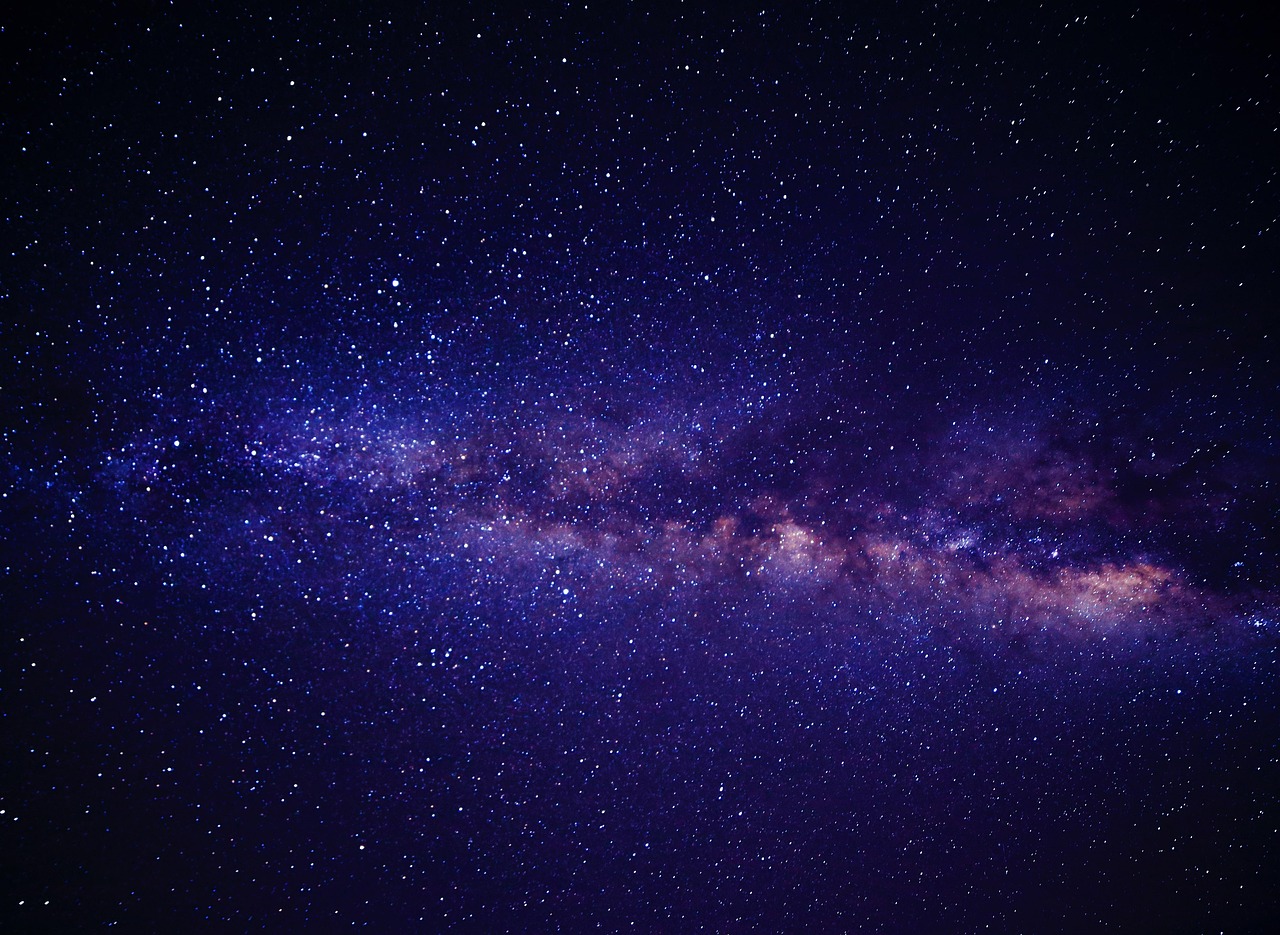
✨ Embracing the Journey Through Digital Skies
The cosmos awaits exploration, and modern astrophotography apps provide unprecedented access to its wonders. These tools transform smartphones into sophisticated astronomical instruments, guiding you through constellations, predicting celestial events, and helping you capture breathtaking images of the night sky.
Success in astrophotography comes not from any single app but from understanding how different tools complement each other. Combine planetarium software for locating objects, planning apps for timing your sessions, and camera apps for capturing images. This integrated approach yields results impossible with any tool alone.
Remember that technology serves as a means, not an end. Apps enhance your experience but should never replace the simple joy of looking up at the stars. Use them to deepen your connection with the cosmos, learning the stories behind constellations and understanding our place in the vast universe stretching infinitely above.
The night sky holds endless beauty and mystery. With the right apps in your pocket, you’re equipped to capture and share that wonder, joining countless generations of humans who have gazed upward and dreamed of distant worlds among the stars.