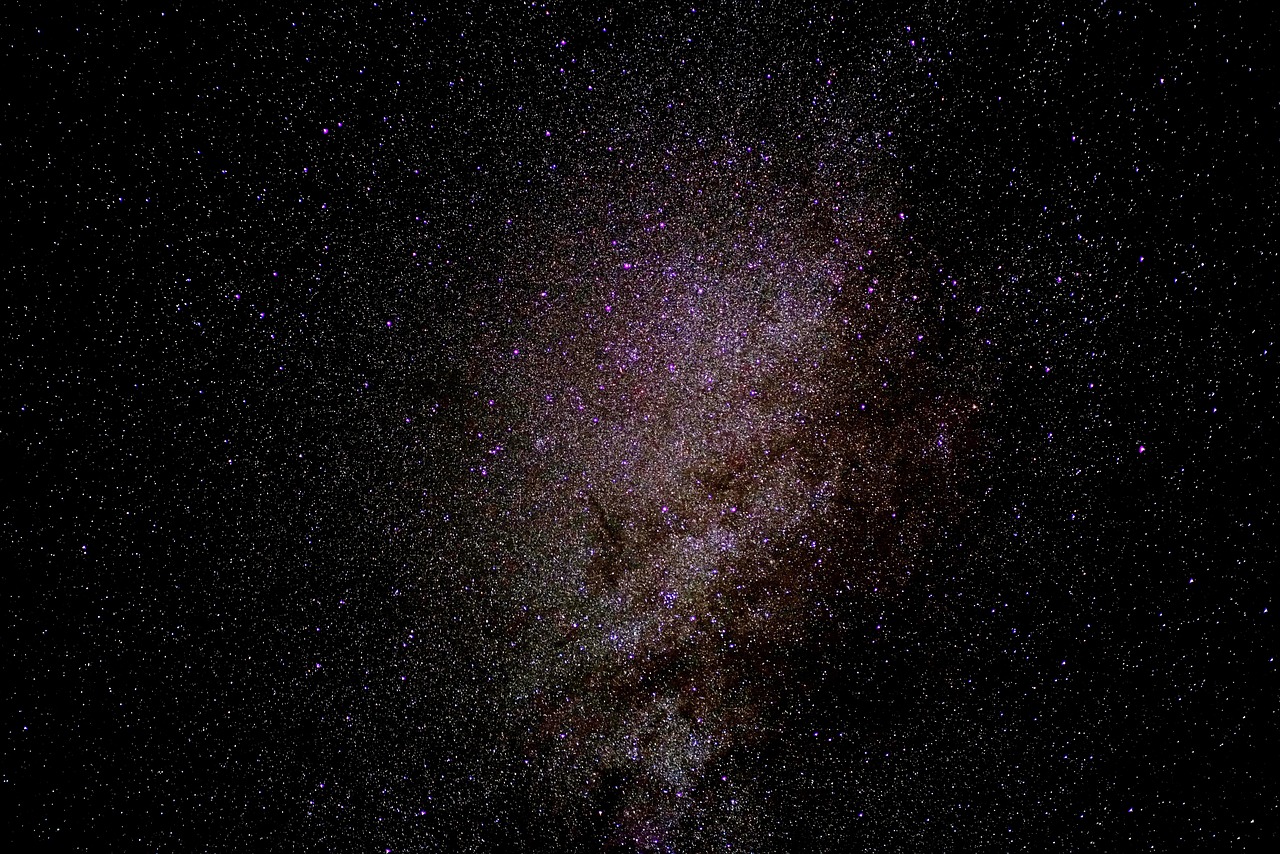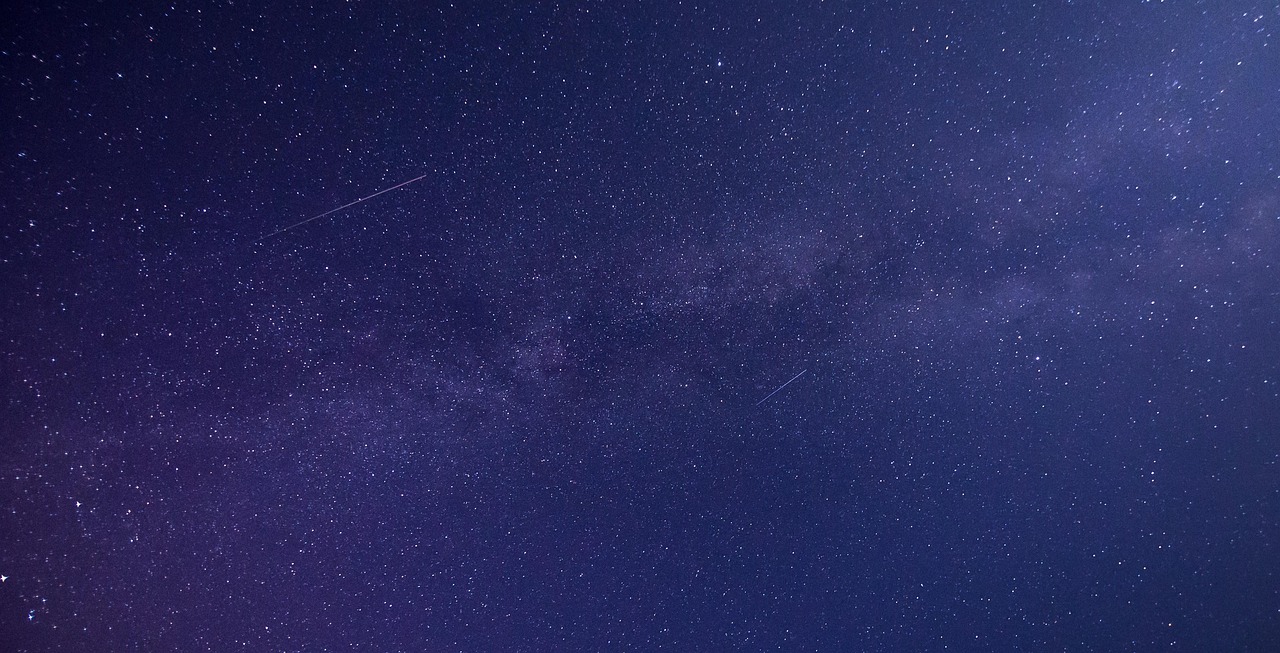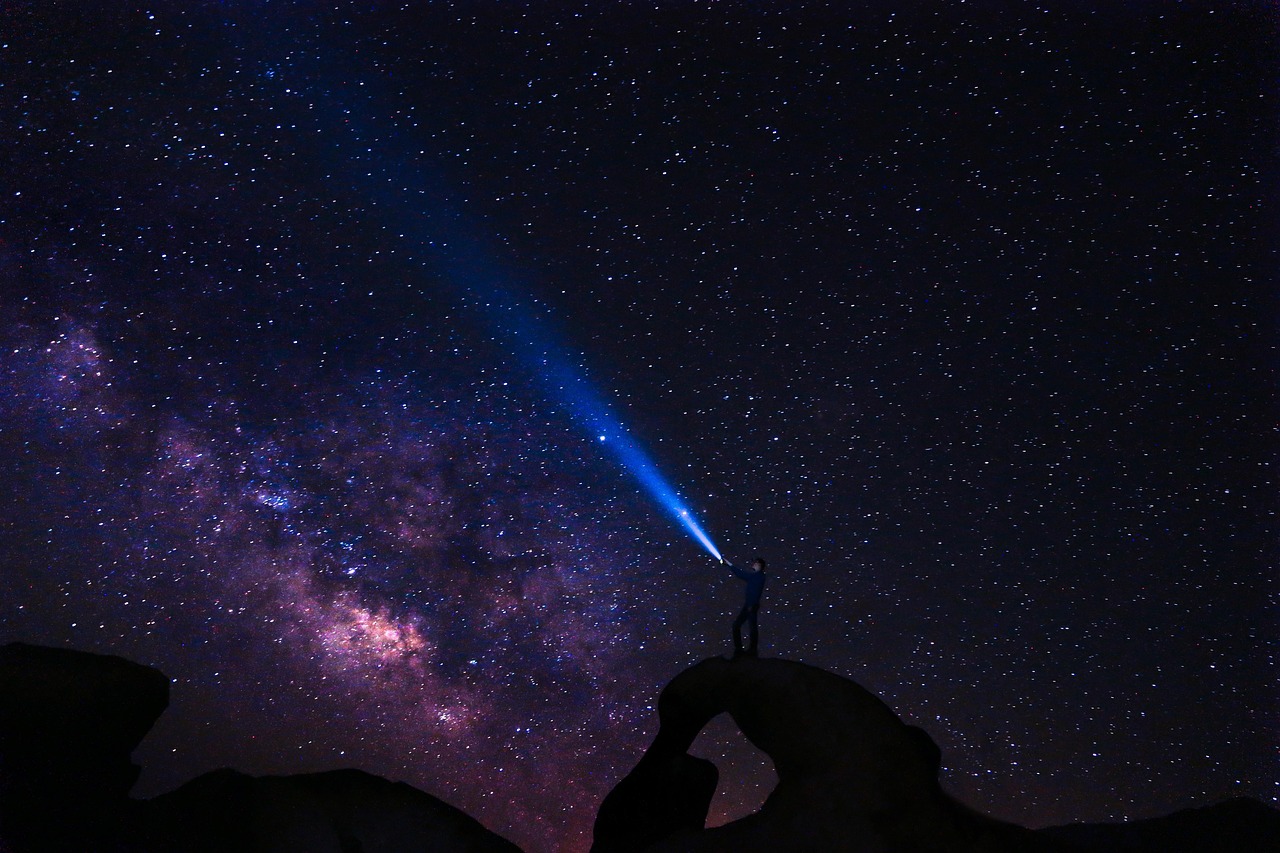
Capturing the night sky with your smartphone has never been more accessible. With the right techniques and compositional strategies, you can transform your mobile device into a powerful astrophotography tool that rivals traditional cameras.

The cosmos above us offers endless photographic opportunities, from star trails and the Milky Way to meteor showers and planetary alignments. Modern smartphones have evolved dramatically, featuring advanced sensors, manual controls, and computational photography that make celestial photography achievable for everyone. Whether you’re a beginner exploring night photography or an enthusiast looking to refine your skills, mastering composition is the key to creating breathtaking night sky images that captivate viewers and tell compelling visual stories.
🌌 Understanding Your Smartphone’s Capabilities for Night Sky Photography
Before diving into composition techniques, it’s essential to understand what your smartphone can actually achieve when photographing the night sky. Modern devices from manufacturers like Samsung, Google, Apple, and OnePlus have incorporated dedicated night modes and astrophotography features that automatically optimize settings for low-light conditions.
Your phone’s camera sensor size, aperture width, and ISO range determine how much light it can gather from distant celestial objects. While smartphone sensors are significantly smaller than DSLR or mirrorless cameras, computational photography bridges this gap by combining multiple exposures and using artificial intelligence to reduce noise and enhance detail.
The manual or pro mode available on most smartphones allows you to control exposure time, ISO sensitivity, white balance, and focus. For astrophotography, you’ll typically want exposure times between 15-30 seconds, ISO values between 800-3200, and manual focus set to infinity. These settings form the foundation upon which great composition is built.
The Rule of Thirds: Your Foundation for Stellar Composition
The rule of thirds remains one of the most effective compositional guidelines for phone astrophotography. This principle divides your frame into nine equal sections using two horizontal and two vertical lines, creating four intersection points where the eye naturally gravitates.
When photographing the night sky, position key elements like the Milky Way’s galactic core, a prominent constellation, or the moon along these lines or at intersection points rather than dead center. This creates visual tension and interest that draws viewers into your image and guides their eye through the composition.
Most smartphone camera apps include a grid overlay option that displays these lines in real-time. Enable this feature in your camera settings to help visualize the rule of thirds while composing your shots. Remember that rules are meant to be broken creatively, but understanding this foundation allows you to make intentional compositional choices.
✨ Incorporating Foreground Interest: Anchoring Your Night Sky Images
Empty sky shots, while showing stars beautifully, often lack the visual impact that comes from including compelling foreground elements. Trees, rock formations, buildings, mountains, or water features provide context, scale, and narrative depth to your astrophotography compositions.
Silhouettes work exceptionally well in night sky photography because they create strong contrast against the illuminated heavens. Position yourself so that interesting shapes—a lone tree, an architectural structure, or a distinctive landform—frames or complements the celestial display above.
The relationship between foreground and sky should feel intentional rather than accidental. Consider how the foreground element interacts with celestial features: does a tree branch point toward a constellation? Does a mountain peak lead the eye toward the Milky Way? These visual connections create cohesive compositions that feel purposeful and engaging.
Balancing Foreground and Sky Exposure
One challenge in phone astrophotography is balancing the exposure between a dark foreground and the brighter night sky. Your smartphone’s HDR capabilities can help, but you may also need to use external light sources strategically.
Light painting involves using a flashlight or smartphone screen to gently illuminate foreground elements during long exposures. This technique requires practice—too much light overwhelms the scene, while too little leaves foreground details lost in shadow. Experiment with brief bursts of light from different angles to find the right balance.
Leading Lines: Guiding the Viewer’s Eye Through the Cosmos
Leading lines are compositional elements that naturally direct the viewer’s gaze through your photograph. In astrophotography, these might be roads, rivers, fences, mountain ridges, or even patterns in the landscape that create directional flow toward the celestial subject.
A winding road disappearing into the horizon beneath the Milky Way creates a journey for the eye to follow. A shoreline curving alongside star reflections in water generates movement and rhythm. These lines don’t need to be literal paths—they can be implied through the arrangement of elements or tonal gradations in your composition.
When scouting locations for night sky photography, look for natural or human-made features that create these directional cues. Position yourself so these lines enter from the corners or edges of your frame, leading inward toward your primary celestial subject. This technique transforms static images into dynamic visual experiences.
🌠 Framing Techniques: Creating Windows to the Universe
Natural frames within your composition add layers of visual interest and draw attention to your celestial subject. Archways, tree branches forming canopies, rock formations with openings, or architectural elements can all serve as frames that focus attention on the night sky beyond.
This technique works particularly well with smartphone cameras because it adds depth to images that might otherwise appear flat due to the wide-angle nature of phone lenses. The frame creates a foreground, middle ground (the framing element itself), and background (the sky), establishing three-dimensional space in your two-dimensional photograph.
When using framing techniques, ensure the frame itself is dark or silhouetted so it doesn’t compete visually with your star-filled sky. The frame should guide the eye inward, not distract from the celestial display you’re capturing.
Symmetry and Patterns: Finding Order in the Celestial Chaos
While asymmetrical compositions often feel more dynamic, symmetry can create powerful, meditative images of the night sky. Reflections in still water perfectly mirror the stars above, mountain peaks creating pyramidal symmetry beneath constellations, or architectural structures centered beneath celestial phenomena all leverage symmetry’s visual impact.
Patterns in both terrestrial and celestial elements strengthen compositions by creating visual rhythm. Repeating shapes like a row of trees, fence posts, or rock formations echo the patterns of stars across the sky. These correspondences create unity and cohesion in your images.
Star trails themselves form patterns—concentric circles around Polaris in the Northern Hemisphere or the Southern celestial pole below the equator. Composing these circular patterns with complementary terrestrial patterns creates harmonious, satisfying images.
📱 Leveraging Smartphone Apps for Compositional Planning
Several smartphone applications help photographers plan compositions by showing exactly where celestial objects will appear at specific times. These tools are invaluable for creating intentional, well-composed astrophotography rather than hoping for fortunate alignments.
PhotoPills, one of the most comprehensive photography planning apps, includes augmented reality features that overlay the Milky Way’s position, moon phases, and star positions directly onto your phone’s camera view. This allows you to preview compositions before darkness falls and determine the optimal shooting time.
SkySafari and Stellarium are planetarium apps that help identify constellations, planets, and deep-sky objects visible from your location. Understanding what you’re photographing allows you to compose shots that highlight specific celestial features rather than pointing your camera randomly skyward.
Sun Surveyor helps plan shots involving moonrise or moonset alongside terrestrial features, enabling you to position foreground elements precisely where they’ll interact most effectively with the lunar position at your chosen time.
🌙 The Golden Ratio and Fibonacci Spiral in Night Photography
The golden ratio, approximately 1.618:1, appears throughout nature and has been used in art and architecture for millennia. This mathematical relationship creates aesthetically pleasing proportions that feel naturally balanced to the human eye.
In astrophotography composition, you can apply the golden ratio by positioning the horizon line at roughly the one-third or two-thirds point of your frame rather than centered. This creates more visually interesting proportions than simple 50/50 divisions between land and sky.
The Fibonacci spiral, derived from the golden ratio, creates a curved compositional guide that your eye follows naturally. While more abstract than the rule of thirds, imagining this spiral overlaying your composition can help position elements in harmonious relationships—the spiral’s center marking where to place your primary celestial subject, with foreground elements arranged along the spiral’s curve.
Negative Space: Letting the Cosmos Breathe
Not every millimeter of your frame needs to be filled with detail. Negative space—areas of relative emptiness in your composition—provides visual rest and emphasizes your subject through isolation and contrast.
In night sky photography, a vast expanse of stars with a single, small terrestrial element creates a sense of scale and solitude. A lone tree beneath endless cosmos, a small tent illuminated against infinite darkness, or a person silhouetted against the galactic plane all leverage negative space to create emotional impact.
This minimalist approach works particularly well with smartphone astrophotography because it simplifies compositions, allowing your phone’s sensor to capture the essential elements without struggling with complex scenes that might exceed its dynamic range capabilities.
⭐ Color Theory and White Balance in Night Sky Compositions
Color plays a crucial role in astrophotography composition, affecting mood and visual impact. The night sky isn’t simply black with white stars—it contains deep blues, purples, oranges, and reds, particularly in the Milky Way’s galactic core where dust and gas clouds create colorful nebulosity.
Your smartphone’s white balance setting dramatically affects color rendition. Auto white balance often produces cool, blue-tinted night skies, while manual settings between 3200-4000K create warmer tones that better represent how our eyes perceive the night environment.
Complementary colors create visual impact in compositions. Orange light pollution or sunset afterglow along the horizon contrasts beautifully with the deep blue sky above. Golden terrestrial illumination (campfires, lights in distant buildings) provides warm counterpoints to cool celestial blues.
Depth and Layering: Creating Three-Dimensional Night Scapes
Smartphone cameras have inherently wide-angle lenses with deep depth of field, meaning nearly everything from foreground to infinity appears sharp. While this differs from the selective focus available with larger camera systems, you can still create depth through compositional layering.
Arrange elements at different distances from your camera—rocks or plants in the immediate foreground, trees or structures in the middle ground, and mountains or horizon in the background beneath the sky. This stacking of visual layers creates depth that pulls viewers into the scene.
Atmospheric perspective also creates depth as distant elements appear hazier and less saturated than nearby objects. On nights with slight moisture or dust in the air, this natural depth enhancement becomes visible in your compositions, with nearby terrestrial features appearing clearer than distant ones.
🎯 Timing and the Decisive Moment in Astrophotography
Composition isn’t solely about spatial arrangement—temporal composition matters equally in night sky photography. The “decisive moment” in astrophotography might be when the Milky Way’s core aligns precisely with a foreground feature, when a meteor streaks through your carefully arranged frame, or when clouds part to reveal stars.
The blue hour—the period after sunset or before sunrise when the sky glows deep blue—offers unique compositional opportunities. Terrestrial features remain visible with detail while bright stars and planets emerge, allowing compositions that balance landscape and celestial elements more easily than during full darkness.
Lunar phases dramatically affect composition possibilities. New moon periods offer the darkest skies for Milky Way photography, while full moons illuminate landscapes naturally, eliminating the need for light painting but washing out fainter stars. Quarter moons provide middle-ground options with both landscape illumination and visible star fields.
Dynamic Compositions: Movement in the Static Night
Creating a sense of movement in night sky photography adds energy and dynamism to otherwise static scenes. Star trails represent the most obvious form of celestial movement, capturing Earth’s rotation as streaks of light across your sensor during exposures lasting minutes or hours.
Cloud movement during long exposures creates ghostly, streaked effects that contrast with sharp stars, adding texture and motion to your compositions. Light pollution reflected off moving clouds produces colorful, dynamic skies that feel alive rather than static.
Water in motion—waves, flowing streams, or wind-rippled lakes—adds terrestrial movement that complements celestial motion. These elements require balancing exposure times that capture star detail while rendering water with the desired degree of blur, typically between 15-30 seconds for phone astrophotography.
🔍 Post-Processing: The Final Compositional Adjustments
Composition doesn’t end when you press the shutter button. Post-processing applications like Lightroom Mobile, Snapseed, or your phone’s native editing tools allow compositional refinement through cropping, straightening, and selective adjustments that guide the viewer’s eye.
Cropping can strengthen compositions by removing distracting elements, adjusting aspect ratios for better proportions, or repositioning key elements along compositional guidelines. Don’t feel bound by the original frame—if cropping creates a stronger image, embrace it.
Selective adjustments allow you to brighten foreground elements, enhance the Milky Way’s visibility, or darken distracting areas that compete with your primary subject. These localized edits effectively redirect attention and strengthen compositional flow without fundamentally altering what you captured.
Graduated filters in editing apps can balance bright horizons with darker sky areas, creating more even tonal distributions that keep the viewer’s eye moving through the entire composition rather than getting stuck on overly bright or dark regions.
Capturing the Night Sky: Your Journey Begins Now
Mastering phone astrophotography composition requires patience, practice, and persistence. Each night under the stars offers new learning opportunities as you develop your visual instincts and technical skills simultaneously. Start by consciously applying individual techniques—the rule of thirds, leading lines, or foreground interest—then gradually integrate multiple principles into unified compositions.
The most compelling night sky photographs transcend technical perfection to communicate emotion, wonder, and connection with the cosmos. Your unique perspective and creative vision matter more than rigidly following compositional rules. Use these guidelines as foundations, then experiment, break rules intentionally, and develop your personal style.
The universe above us remains constant, but our compositional interpretations make each photograph unique. With your smartphone as your tool and the night sky as your canvas, you have everything needed to create stunning celestial images that inspire others and preserve your own sense of wonder beneath the stars. ✨